Practical Strategies for Home Organization in NYC: Smart Systems for Small Spaces

Living in New York City often means adapting to smaller living spaces. Apartments frequently include limited storage, narrow layouts, and shared living areas. As a result, clutter can accumulate quickly if organizational systems are not intentional.

Therefore, effective home organization in NYC requires strategies that work within tight spaces and busy schedules. Standard organizing advice often assumes larger homes with closets, garages, and extra storage rooms. However, NYC residents must work creatively with vertical space, multi-purpose furniture, and temporary systems.
 
Fortunately, practical organization methods can help residents maintain order without major renovations. Small systems, consistent habits, and smart storage tools can transform even compact apartments.

Understanding the Challenges of Home Organization in NYC

New York apartments present unique organizational challenges. Limited square footage often forces residents to balance storage needs with daily living space.

Moreover, apartment layouts frequently include irregular corners, narrow hallways, and small closets. Consequently, traditional storage solutions may not fit efficiently.

Effective home organization in NYC focuses on maximizing available space rather than expanding storage. This approach encourages residents to evaluate how frequently items are used and where they should be stored.

Several factors influence how clutter develops in urban homes. First, limited storage space encourages stacking items on counters, tables, and chairs. These temporary storage habits gradually become permanent clutter. Second, busy work schedules reduce the time available for regular organization. Without consistent habits, small items quickly accumulate. Third, disposal logistics in NYC can slow down decluttering. Residents must coordinate donation pickups, recycling programs, and city sanitation rules.
 
Therefore, successful organization systems must address these realities. Practical methods prioritize visibility, accessibility, and simplicity. When organization systems remain easy to maintain, residents are more likely to keep spaces tidy over time.

The One Week Trial Box Method

Decluttering often becomes difficult when decisions feel overwhelming. Instead of sorting everything at once, the one-week trial box method simplifies the process.

This technique helps residents evaluate whether items are truly useful. It also encourages faster decisions during the decluttering process.

The method works well for improving home organization in NYC because it requires minimal space and equipment.
Follow these steps to implement the system.

• Choose a clear storage bin: Transparent containers allow residents to see items easily. This visibility encourages faster decision-making.

• Place rarely used items inside the bin: Include objects that have not been used recently but may still seem valuable.

• Set a seven-day evaluation period: During the week, observe whether any items from the bin are actually needed.

• Schedule three short review checkpoints: Review the bin on day three, day five, and day seven.

• Make a final decision at the end of the week: Decide whether each item should be kept, donated, or discarded.

Although this method prioritizes quick decisions, it prevents endless reconsideration. The limited timeframe encourages practical thinking. For example, a Brooklyn household tested the method with unused kitchen gadgets. After seven days, they donated several appliances and regained valuable cabinet space. Consequently, the trial box method helps residents make steady progress without feeling overwhelmed.

Vertical Storage Systems for Small Apartments

Wall space often provides the greatest storage opportunity in compact apartments. Therefore, vertical storage plays an important role in home organization in NYC. Using walls efficiently frees up floor space while keeping everyday items accessible. However, vertical systems should remain simple and purpose-driven. Overloading wall storage can quickly recreate clutter problems.

Several vertical solutions work well in NYC apartments:

• Pegboard panels for entry areas: Pegboards create flexible storage for keys, mail, and small bags. Adjustable hooks allow easy reconfiguration.

• Wall-mounted shelves for daily items: Narrow shelves store frequently used objects while keeping surfaces clear.

• Magnetic strips in kitchens: Magnetic holders keep utensils or knives off crowded countertops.

• Over-the-door organizers: Hanging organizers add storage without drilling holes in walls.

Although these systems save space, renters should consider installation limitations. Many apartments restrict drilling or permanent hardware. Therefore, removable hooks and adhesive mounts often work best in rental properties.

For example, a Queens studio installed a pegboard entry station for keys, mail, and headphones. This simple system prevented everyday items from spreading across the apartment.
 
In conclusion, vertical storage improves organization when each station has a clear purpose and capacity limit.

The 30 Day Surface Reset Rule

Clutter often accumulates on flat surfaces such as kitchen counters and entry tables. These areas quickly become temporary storage zones for mail, packages, and small items.

The 30-day surface rule provides a structured solution. It encourages residents to evaluate whether items truly belong in visible spaces.

This approach improves home organization in NYC by preventing surfaces from becoming long term storage.
The process includes two consistent habits. First, schedule a short weekly reset. During this session, residents review items placed on major surfaces. Second, track how long each item remains in the same location. If an item stays unused for thirty days, it should be relocated or removed.

A simple system helps implement this rule:

• Place small date stickers on items that appear on surfaces.

• Review items during the weekly reset.

• Move unused items to storage or donation areas.
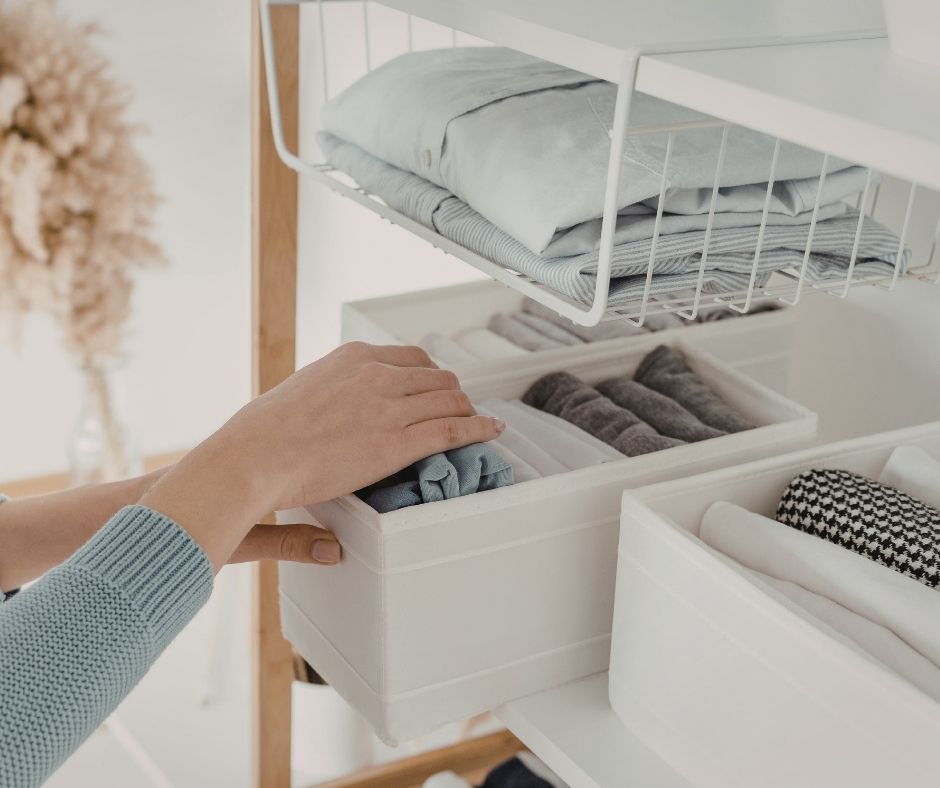
Although this method requires discipline, it prevents clutter from building unnoticed.

For instance, a Manhattan apartment applied the rule to its foyer table. Within one month, unused scarves and unopened mail disappeared from the space.
 
Therefore, the 30-day rule keeps surfaces functional and visually calm.
Home Organization in New York (NYC)

Micro Command Centers for Paper and Daily Tasks

Paper clutter often disrupts home organization in NYC apartments. Mail, receipts, and bills accumulate quickly without a clear management system.

A micro command center solves this problem by creating a small, designated space for paperwork.
This system typically occupies a compact wall area near the apartment entrance or kitchen.
Key components include several simple tools.

• Slim wall-mounted mail sorter: Separate incoming mail into categories such as action, filing, or recycling.

• Small whiteboard or notepad: Record short reminders or tasks related to bills and documents.

• Key hooks and small trays: Provide a consistent place for keys, cards, and small essentials.

• Receipt scanning routine: Photograph receipts and store them digitally using simple apps.

Although the command center remains small, it improves organization by centralizing everyday decisions.
For example, a West Village renter installed a compact mail sorter beside the door. Incoming mail immediately moves into labeled sections instead of piling on counters.
 
Consequently, paperwork becomes easier to manage and easier to locate when needed.

Repurposing Household Items for Storage

Effective storage does not always require purchasing new containers. Many household items can serve alternative organizational purposes.

Repurposing objects supports home organization in NYC because it reduces costs while maximizing existing resources.

Several repurposed storage ideas work particularly well in compact apartments.
Household Item
Repurposed Storage Use
Ideal Location
Over the door shoe organizerStore cleaning supplies, toys, or accessoriesCloset or hallway doors
Magazine holdersOrganize pantry packets, cutting boards, or mailKitchen cabinets or shelves
Tension rodsHang spray bottles under sinksKitchen or bathroom cabinets
Magnetic stripsHold metal tools or keysKitchen walls or utility areas
However, repurposed storage works best for lighter items. Heavy objects may damage temporary organizers.
 
Additionally, labeling each storage section improves long-term consistency. Clear labels help roommates or family members return items correctly. Therefore, repurposing everyday objects creates effective storage solutions without significant expense.

Donation and Disposal Strategies in New York City

Decluttering becomes easier when residents understand how to remove unwanted items efficiently. NYC offers several donation and disposal options, but each program follows specific guidelines.
 
Creating a removal plan supports successful home organization in NYC.
The process usually involves several steps.

• Sort items by destination: Separate belongings into donation, resale, recycling, and disposal categories.

• Confirm donation requirements: Many organizations accept only clean and functional items.

• Schedule removal early: Charities and city services often require appointments.

• Prepare items for pickup: Label donation boxes clearly and stage them near the exit.

However, residents should avoid placing items on sidewalks without confirmation of pickup schedules. Improper disposal can result in fines or rejected collection. As a result, the apartment cleared quickly without violating sanitation rules.

How Clutter Free Service Can Help

Some organization projects require more support than individual residents can provide. Large cleanouts, estate transitions, and apartment turnovers often involve complex logistics.

Clutter Free Service specializes in supporting home organization in NYC through structured clearing and coordination services.
Their team assists with several types of projects.

Apartment and estate cleanouts: Professionals remove large volumes of furniture, clothing, and household items efficiently.

Donation coordination: The team organizes drop-offs and pickup schedules with local charities.

• Bulk disposal management: They handle removal procedures that follow city sanitation rules.

• Documentation and inventory support: Photographic records help landlords or families manage belongings during transitions.


Although professional services involve additional cost, they often save time and prevent logistical problems. Therefore, professional assistance can simplify complex organizational projects.
 

Conclusion

Maintaining order in New York City apartments requires thoughtful systems and consistent habits. Limited square footage makes it essential to use practical strategies that maximize every available storage area. As a result, effective home organization in NYC often combines simple decluttering methods, vertical storage solutions, and structured routines that keep everyday items under control. Techniques such as the trial box method, vertical storage stations, and surface reset rules help residents reduce clutter gradually while maintaining functional living spaces.
 
In addition, repurposed storage solutions and compact command centers support daily organization without requiring expensive renovations. However, larger projects may require additional help. Professional services such as Clutter Free Service can assist with donation coordination, apartment cleanouts, and removal logistics. Ultimately, a successful organization depends on systems that remain simple and easy to maintain. With consistent effort and practical strategies, NYC residents can transform even small apartments into organized and comfortable homes.
Home Organization in New York
Living in New York City often means adapting to smaller living spaces. Apartments frequently include limited storage, narrow layouts, and shared living areas. As a result, clutter can accumulate quickly if organizational systems are not intentional.

Therefore, effective home organization in NYC requires strategies that work within tight spaces and busy schedules. Standard organizing advice often assumes larger homes with closets, garages, and extra storage rooms. However, NYC residents must work creatively with vertical space, multi-purpose furniture, and temporary systems.
 
Fortunately, practical organization methods can help residents maintain order without major renovations. Small systems, consistent habits, and smart storage tools can transform even compact apartments.

Understanding the Challenges of Home Organization in NYC

New York apartments present unique organizational challenges. Limited square footage often forces residents to balance storage needs with daily living space.

Moreover, apartment layouts frequently include irregular corners, narrow hallways, and small closets. Consequently, traditional storage solutions may not fit efficiently.

Effective home organization in NYC focuses on maximizing available space rather than expanding storage. This approach encourages residents to evaluate how frequently items are used and where they should be stored.

Several factors influence how clutter develops in urban homes. First, limited storage space encourages stacking items on counters, tables, and chairs. These temporary storage habits gradually become permanent clutter. Second, busy work schedules reduce the time available for regular organization. Without consistent habits, small items quickly accumulate. Third, disposal logistics in NYC can slow down decluttering. Residents must coordinate donation pickups, recycling programs, and city sanitation rules.
 
Therefore, successful organization systems must address these realities. Practical methods prioritize visibility, accessibility, and simplicity. When organization systems remain easy to maintain, residents are more likely to keep spaces tidy over time.

The One Week Trial Box Method

Decluttering often becomes difficult when decisions feel overwhelming. Instead of sorting everything at once, the one-week trial box method simplifies the process.

This technique helps residents evaluate whether items are truly useful. It also encourages faster decisions during the decluttering process.

The method works well for improving home organization in NYC because it requires minimal space and equipment.
Follow these steps to implement the system.

• Choose a clear storage bin: Transparent containers allow residents to see items easily. This visibility encourages faster decision-making.

• Place rarely used items inside the bin: Include objects that have not been used recently but may still seem valuable.

• Set a seven-day evaluation period: During the week, observe whether any items from the bin are actually needed.

• Schedule three short review checkpoints: Review the bin on day three, day five, and day seven.

• Make a final decision at the end of the week: Decide whether each item should be kept, donated, or discarded.

Although this method prioritizes quick decisions, it prevents endless reconsideration. The limited timeframe encourages practical thinking. For example, a Brooklyn household tested the method with unused kitchen gadgets. After seven days, they donated several appliances and regained valuable cabinet space. Consequently, the trial box method helps residents make steady progress without feeling overwhelmed.

Vertical Storage Systems for Small Apartments

Wall space often provides the greatest storage opportunity in compact apartments. Therefore, vertical storage plays an important role in home organization in NYC. Using walls efficiently frees up floor space while keeping everyday items accessible. However, vertical systems should remain simple and purpose-driven. Overloading wall storage can quickly recreate clutter problems.

Several vertical solutions work well in NYC apartments:

• Pegboard panels for entry areas: Pegboards create flexible storage for keys, mail, and small bags. Adjustable hooks allow easy reconfiguration.

• Wall-mounted shelves for daily items: Narrow shelves store frequently used objects while keeping surfaces clear.

• Magnetic strips in kitchens: Magnetic holders keep utensils or knives off crowded countertops.

• Over-the-door organizers: Hanging organizers add storage without drilling holes in walls.

Although these systems save space, renters should consider installation limitations. Many apartments restrict drilling or permanent hardware. Therefore, removable hooks and adhesive mounts often work best in rental properties.

For example, a Queens studio installed a pegboard entry station for keys, mail, and headphones. This simple system prevented everyday items from spreading across the apartment.
 
In conclusion, vertical storage improves organization when each station has a clear purpose and capacity limit.

The 30 Day Surface Reset Rule

Clutter often accumulates on flat surfaces such as kitchen counters and entry tables. These areas quickly become temporary storage zones for mail, packages, and small items.

The 30-day surface rule provides a structured solution. It encourages residents to evaluate whether items truly belong in visible spaces.

This approach improves home organization in NYC by preventing surfaces from becoming long term storage.
The process includes two consistent habits. First, schedule a short weekly reset. During this session, residents review items placed on major surfaces. Second, track how long each item remains in the same location. If an item stays unused for thirty days, it should be relocated or removed.

A simple system helps implement this rule:

• Place small date stickers on items that appear on surfaces.

• Review items during the weekly reset.

• Move unused items to storage or donation areas.

Although this method requires discipline, it prevents clutter from building unnoticed.

For instance, a Manhattan apartment applied the rule to its foyer table. Within one month, unused scarves and unopened mail disappeared from the space.
 
Therefore, the 30-day rule keeps surfaces functional and visually calm.
Home Organization in New York (NYC)

Micro Command Centers for Paper and Daily Tasks

Paper clutter often disrupts home organization in NYC apartments. Mail, receipts, and bills accumulate quickly without a clear management system.

A micro command center solves this problem by creating a small, designated space for paperwork.
This system typically occupies a compact wall area near the apartment entrance or kitchen.
Key components include several simple tools.

• Slim wall-mounted mail sorter: Separate incoming mail into categories such as action, filing, or recycling.

• Small whiteboard or notepad: Record short reminders or tasks related to bills and documents.

• Key hooks and small trays: Provide a consistent place for keys, cards, and small essentials.

• Receipt scanning routine: Photograph receipts and store them digitally using simple apps.

Although the command center remains small, it improves organization by centralizing everyday decisions.
For example, a West Village renter installed a compact mail sorter beside the door. Incoming mail immediately moves into labeled sections instead of piling on counters.
 
Consequently, paperwork becomes easier to manage and easier to locate when needed.

Repurposing Household Items for Storage

Effective storage does not always require purchasing new containers. Many household items can serve alternative organizational purposes.

Repurposing objects supports home organization in NYC because it reduces costs while maximizing existing resources.

Several repurposed storage ideas work particularly well in compact apartments.
Household Item
Repurposed Storage Use
Ideal Location
Over the door shoe organizerStore cleaning supplies, toys, or accessoriesCloset or hallway doors
Magazine holdersOrganize pantry packets, cutting boards, or mailKitchen cabinets or shelves
Tension rodsHang spray bottles under sinksKitchen or bathroom cabinets
Magnetic stripsHold metal tools or keysKitchen walls or utility areas
However, repurposed storage works best for lighter items. Heavy objects may damage temporary organizers.
 
Additionally, labeling each storage section improves long-term consistency. Clear labels help roommates or family members return items correctly. Therefore, repurposing everyday objects creates effective storage solutions without significant expense.

Donation and Disposal Strategies in New York City

Decluttering becomes easier when residents understand how to remove unwanted items efficiently. NYC offers several donation and disposal options, but each program follows specific guidelines.
 
Creating a removal plan supports successful home organization in NYC.
The process usually involves several steps.

• Sort items by destination: Separate belongings into donation, resale, recycling, and disposal categories.

• Confirm donation requirements: Many organizations accept only clean and functional items.

• Schedule removal early: Charities and city services often require appointments.

• Prepare items for pickup: Label donation boxes clearly and stage them near the exit.

However, residents should avoid placing items on sidewalks without confirmation of pickup schedules. Improper disposal can result in fines or rejected collection. As a result, the apartment cleared quickly without violating sanitation rules.

How Clutter Free Service Can Help

Some organization projects require more support than individual residents can provide. Large cleanouts, estate transitions, and apartment turnovers often involve complex logistics.

Clutter Free Service specializes in supporting home organization in NYC through structured clearing and coordination services.
Their team assists with several types of projects.

Apartment and estate cleanouts: Professionals remove large volumes of furniture, clothing, and household items efficiently.

Donation coordination: The team organizes drop-offs and pickup schedules with local charities.

• Bulk disposal management: They handle removal procedures that follow city sanitation rules.

• Documentation and inventory support: Photographic records help landlords or families manage belongings during transitions.
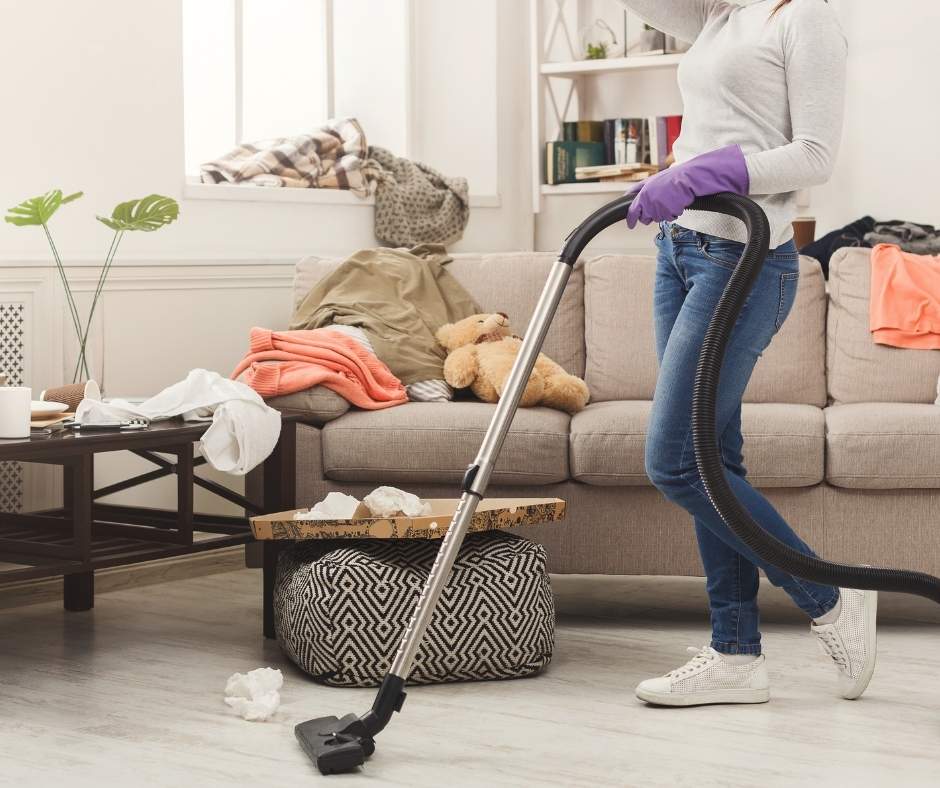
Although professional services involve additional cost, they often save time and prevent logistical problems. Therefore, professional assistance can simplify complex organizational projects.
 

Conclusion

Maintaining order in New York City apartments requires thoughtful systems and consistent habits. Limited square footage makes it essential to use practical strategies that maximize every available storage area. As a result, effective home organization in NYC often combines simple decluttering methods, vertical storage solutions, and structured routines that keep everyday items under control. Techniques such as the trial box method, vertical storage stations, and surface reset rules help residents reduce clutter gradually while maintaining functional living spaces.
 
In addition, repurposed storage solutions and compact command centers support daily organization without requiring expensive renovations. However, larger projects may require additional help. Professional services such as Clutter Free Service can assist with donation coordination, apartment cleanouts, and removal logistics. Ultimately, a successful organization depends on systems that remain simple and easy to maintain. With consistent effort and practical strategies, NYC residents can transform even small apartments into organized and comfortable homes.
Share the Post:

Related Posts

Scroll to Top