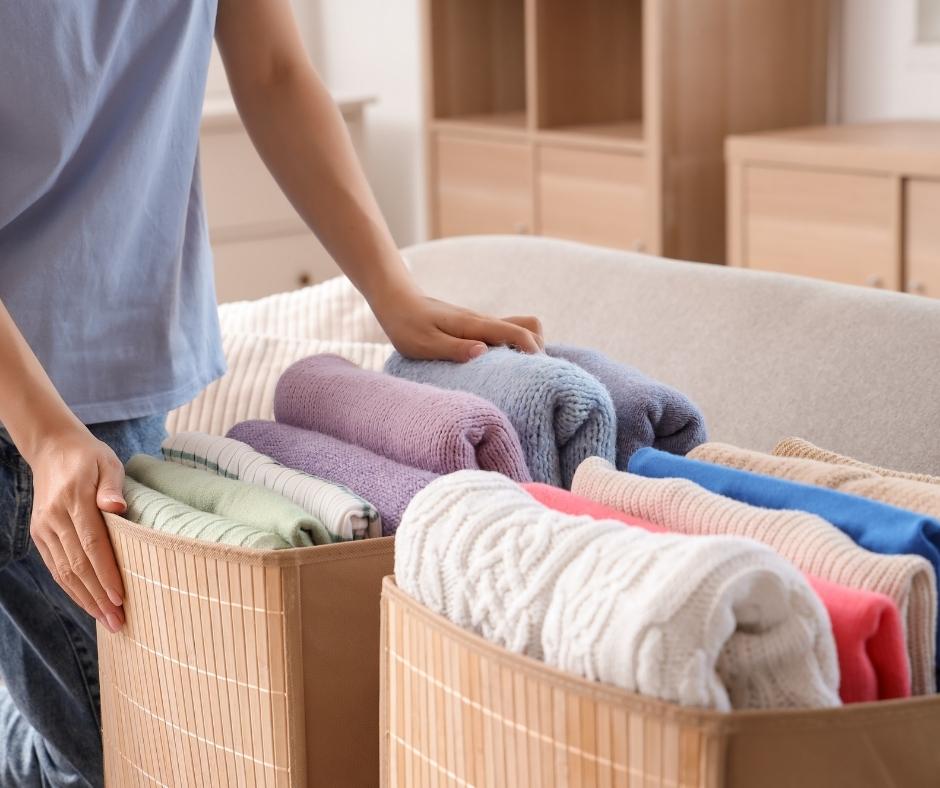
Closet Organization in New York often becomes more important than many homeowners initially realize. In apartments, condos, and townhouses throughout the city, storage space frequently serves several purposes at once. One closet may hold clothing, winter coats, luggage, paperwork, cleaning supplies, seasonal decorations, and everyday essentials simultaneously. Because of this, even small amounts of clutter can quickly make spaces feel crowded and difficult to manage.
Most closet problems do not happen overnight. Instead, disorganization usually develops gradually through busy routines, changing lifestyles, seasonal shopping, and postponed cleanup decisions. At first, the changes feel manageable. A few extra jackets remain hanging after winter ends. Shoes begin collecting near the floor. Storage bins slowly stack higher after every holiday clutter season or apartment transition, where a thorough pre-move decluttering in New York routine was skipped.
Eventually, however, the space becomes harder to maintain.
Many people assume overcrowded closets simply mean they own too many belongings. While that may sometimes contribute, poor organization systems often create larger challenges than the number of items alone. Even smaller wardrobes can feel stressful and chaotic without structure.
As a result, this service becomes much more than a cosmetic improvement. Thoughtful organization often helps homeowners improve functionality, simplify routines, reduce stress, and create living spaces that feel cleaner and more manageable every day.
Why Closets Become Disorganized Faster Than Expected
Closets usually begin with good intentions. People purchase organizers, fold clothing neatly, and separate items by category. Initially, systems feel easy to maintain.
However, life rarely stays consistent.
Busy mornings often lead to rushed decisions. Laundry gets postponed. Seasonal clothing rotations take longer than planned. Shopping habits change throughout the year. Meanwhile, temporary storage decisions quietly become permanent.
Imagine placing one or two extra items inside a closet every week. At first, nothing seems different. Several months later, shelves begin overflowing, and hanging rods feel crowded.
Additionally, many people postpone organizational tasks because they feel less urgent than work responsibilities, errands, and family obligations. Unlike kitchens or living rooms, closets remain hidden behind doors. Consequently, clutter becomes easier to ignore.
Over time, small patterns create larger problems.
People also underestimate how quickly clothing categories expand. Work attire, casual outfits, gym clothing, formalwear, travel accessories, and seasonal layers all compete for limited space.
Without thoughtful systems, even larger closets eventually become difficult to maintain.
Why New York Homes Need Smarter Closet Systems
New York living creates unique storage conditions compared with many suburban environments. Space remains valuable throughout apartments, condos, and brownstones across Manhattan, Brooklyn, Queens, and the Bronx. Therefore, closets frequently support much more than clothing alone.
Many residents live in homes where storage space is limited from the beginning. Consequently, every shelf and storage bin matters.
Additionally, New York weather creates four distinct seasons. Winter coats, scarves, boots, and heavy layers require substantial storage. During warmer months, those same spaces suddenly need room for lighter clothing, travel gear, and everyday essentials.
Imagine trying to manage seasonal transitions inside one apartment closet. Without proper organization, spaces quickly feel crowded.
Furthermore, many New Yorkers maintain fast-paced schedules involving commuting, long work hours, and active social routines. Deep organization projects often remain postponed because other responsibilities feel more immediate.
As clutter increases gradually, people often adapt without realizing how much functionality disappears.
Because homes in New York frequently rely on efficient layouts, implementing macro-level strategies for home organization in NYC often improves entire living environments instead of one storage area alone.
Why Closet Organization Supports Daily Routines
People often underestimate how much closets affect everyday life. However, storage systems influence routines from the moment mornings begin.
Imagine starting the day searching through crowded drawers for matching clothing while shoes disappear beneath piles of storage boxes. Although these frustrations seem minor individually, repeated interruptions often create unnecessary stress.
Now imagine opening a closet where everything remains visible and accessible. Daily routines generally become smoother when belongings stay organized according to actual lifestyle needs.
Practical closet systems often support:
- Faster morning routines because frequently used clothing remains easier to access.
- Better visibility that helps people avoid buying duplicate items unnecessarily.
- Easier laundry management through clearly separated categories and storage sections.
- Simpler seasonal transitions involve rotating clothing and accessories, often paired with comprehensive spring cleaning services in NYC.
- Reduced stress because spaces feel cleaner and easier to maintain.
- More efficient use of limited square footage throughout the home.
Because closets support routines every day, organization often improves convenience far beyond appearance alone.
Common Closet Habits That Quietly Create Clutter
Many people attempt organization repeatedly without seeing lasting results. Often, the issue involves habits rather than effort. Certain patterns frequently contribute to ongoing clutter.
For example, many individuals continue to keep clothing connected with past lifestyles. Old office attire, outdated fashion choices, or unused hobby gear often remain untouched for years. Likewise, people frequently save belongings for future situations that never arrive.
Questions naturally appear:
- “What if I need this later?”
- “What if trends change again?”
- “What if I regret donating it?”
Although those concerns sound reasonable, delayed decisions frequently create long-term storage problems.
Another common issue involves buying storage containers before evaluating actual needs. People sometimes organize clutter into prettier boxes without reducing unnecessary accumulation.
Additionally, temporary piles often become permanent fixtures. Donation bags remain near doors for months. Seasonal clothing stays unfolded inside spare rooms. Shopping bags sit untouched after busy workweeks. Over time, these habits quietly reshape entire closets.
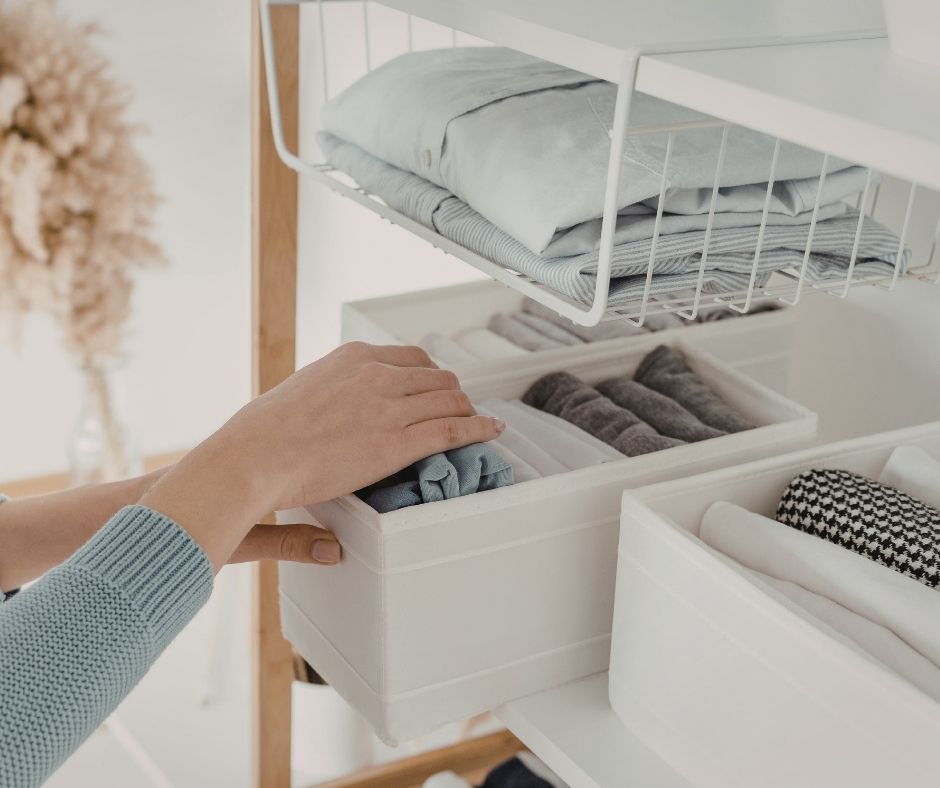
Why Emotional Attachment Often Complicates an Organization
Closet organization rarely involves physical belongings alone. Emotional attachment frequently affects decision-making. Certain items represent memories, accomplishments, relationships, or future goals.
For example, someone may keep clothing from a previous career because it reflects important life experiences. Others save smaller clothing sizes connected with fitness goals or emotional milestones. Likewise, gifts and sentimental belongings often feel difficult to evaluate practically.
Because emotions naturally influence decisions, many people postpone organization altogether. However, thoughtful organization does not require removing everything meaningful. Instead, effective systems help people identify which belongings continue supporting current lifestyles while preserving important memories intentionally. That distinction often creates healthier and more realistic organizational decisions.
Signs Your Closet Is Affecting Your Home More Than You Realize
Closet problems usually appear gradually. Consequently, many people normalize frustrations without recognizing larger patterns. Several indicators often suggest the organization deserves more attention.
Common examples include:
- Clothing consistently falling from shelves or crowded hangers.
- Difficulty locating everyday essentials during busy routines.
- Seasonal items are becoming impossible to rotate comfortably.
- Duplicate purchases occur because existing belongings remain hidden.
- Spare rooms, attics, or crawlspaces are slowly turning into overflow storage areas. When core spaces fail, looking into comprehensive attic and basement cleanup in New York is often required to clear home baselines.
- Laundry is becoming harder to sort and manage.
- Visible stress during mornings or outfit preparation.
- Closets remain full despite rarely wearing many items.
These situations do not necessarily indicate major lifestyle problems. However, they often reveal systems no longer supporting daily needs effectively. Recognizing these patterns early frequently prevents larger organizational challenges later.
Why Organized Closets Help Homes Feel Bigger
Many people focus heavily on square footage when discussing storage problems. However, an organization often changes how spaces feel more than actual room size.
Imagine a small apartment with clean shelves, clear walkways, and visible storage categories. Now compare that with a larger space where clutter fills every available corner. The second environment may technically offer more square footage, yet it often feels smaller and more overwhelming.
Visual clutter affects how people experience rooms. When belongings remain crowded together, homes frequently feel busier and harder to relax in. Likewise, overflowing closets often force extra storage into bedrooms, hallways, and living areas. As a result, clutter occasionally spreads throughout the entire property.
Thoughtful closet systems help contain belongings more efficiently while improving overall household flow. This often creates cleaner and more functional living environments without requiring expensive renovations.
Questions Worth Asking Before Organizing a Closet
Many people begin organizing immediately by purchasing bins and storage products. However, thoughtful planning often creates stronger long-term results.
Helpful questions include:
- Which items support my current lifestyle consistently?
- Which belongings remain unused for over a year?
- Does this closet serve too many unrelated purposes?
- Which categories create the biggest frustrations daily?
- What storage systems realistically fit my routine?
- Am I keeping items because of guilt or actual use?
- Which belongings deserve easier visibility and access?
- Can smaller adjustments improve functionality before larger purchases?
These conversations frequently create better organizational decisions because they focus on behavior instead of appearance alone.
Why Professional Closet Organization Can Make a Difference
Many people assume organization simply requires motivation and free time. However, larger projects often become overwhelming without structure. Closets usually reflect years of habits, routines, and changing responsibilities. Consequently, people sometimes struggle to know where to begin.
Professional organization support often helps simplify the process. Rather than focusing only on appearance, experienced organizers frequently evaluate how spaces function practically.
This may include:
- Creating systems supporting realistic daily habits.
- Identifying unnecessary storage obstacles.
- Improving closet layouts according to actual household routines.
- Helping clients reduce clutter without creating additional stress.
- Supporting long-term organization instead of short-term cleanup.
Because every household functions differently, customized support often creates stronger and more sustainable results.
How Clutter Free Service Can Help
Closet projects often involve much more than folding clothing and rearranging shelves. Many people feel overwhelmed because clutter develops gradually over several years. Consequently, outside support frequently helps create clearer direction and better long-term organization.
Clutter Free Service helps individuals and families create cleaner, more manageable living spaces through practical organization support. Their team works with clients seeking realistic solutions that improve functionality without creating unnecessary stress.
Additionally, experienced guidance often helps homeowners identify smarter storage systems while reducing clutter throughout the home. Rather than applying one standard approach, organizations typically focus on individual routines, lifestyle needs, and available space.
As homes continue evolving over time, thoughtful organization support often becomes increasingly valuable.
Final Thoughts
Closets change alongside lifestyles, routines, shopping habits, and household responsibilities. Small accumulation patterns often appear harmless initially. However, clutter gradually affects storage systems, room functionality, and everyday convenience.
Smarter organization options help people create cleaner, more practical spaces that better support modern living. More importantly, organized closets frequently improve routines, reduce stress, and help homes feel more functional overall.
Every household creates different storage challenges and priorities. Therefore, a successful organization usually begins with realistic systems rather than perfect aesthetics. When spaces support everyday life effectively, homes often become easier to manage, easier to enjoy, and more comfortable long-term.