Hoarding Cleaning Services in NYC: Costs, Timeline, and Compassionate Care Explained

Hoarding situations are complex. They involve safety concerns, emotional sensitivity, legal risks, and logistical challenges. Therefore, hiring professional hoarding cleaning services in NYC requires more than comparing prices.
In New York City, building rules, disposal regulations, and tenant laws add another layer of responsibility. As a result, choosing the right provider protects not only the property but also the people involved.
 
This blog post explains what professional hoarding cleaning services in NYC entails from pricing, areas covered, realistic timelines, and how compassionate care changes outcomes. In addition, you will learn what to demand in a written estimate and how to avoid common hiring mistakes.

What Professional Hoarding Cleaning Services in NYC Actually Include

Hoarding cleanup is not simple junk removal. Instead, it is a structured, phased process.
 
Professional hoarding cleaning services in NYC typically combine safety management, sorting, documentation, disposal logistics, and deep cleaning. In severe cases, licensed remediation specialists may also be involved.
 
A complete service usually includes:
• On-site assessment and planning – A detailed walkthrough identifies hazards, access constraints, sentimental items, and disposal volume. This visit produces a written, phased work plan.
• Sorting and item preservation – Crews separate items into keep, donate, recycle, hazardous, and discard categories. Importantly, sentimental items are documented before removal.
• Bulk removal and hauling logistics – NYC disposal rules require coordination with either DSNY pickup or licensed transfer stations. This decision directly affects cost and scheduling.
• Deep cleaning and sanitization – After clutter removal, technicians perform heavy-duty cleaning. In some cases, pest treatment or mold remediation is necessary.
• Documentation and receipts – Reputable providers deliver before-and-after photos, donation receipts, and disposal records. This paperwork protects landlords and families.
 
Unlike basic junk haulers, hoarding cleaning services in NYC must balance speed with sensitivity. Removing everything in one day may seem efficient. However, rushed jobs often lead to lost valuables, family disputes, or legal complications.

Assessment and Planning: The Most Important Phase

The assessment phase determines everything that follows. Without a thorough evaluation, costs and timelines quickly spiral.

During an on-site assessment, professionals check:
Building access limitations, such as narrow staircases or elevator requirements.
Evidence of mold, rodents, or biohazards.
Large appliances or e-waste require special disposal.
Personal documents or sentimental property that must be preserved.
This visit results in a written estimate. That estimate should separate labor, disposal, remediation, and optional organizing services.

If a provider offers a flat quote without visiting the property, proceed carefully. Hidden hazards are common in hoarding environments. Therefore, accurate pricing requires inspection.

Although a thorough assessment may add time at the beginning, it prevents costly work stoppages later.

Realistic Cost Ranges for Hoarding Cleaning Services in NYC

Costs vary widely based on severity, access, and contamination level. However, understanding pricing categories helps you prepare.

In NYC, smaller single-room projects may begin in the low thousands. Moderate two- or three-room projects often fall between several thousand dollars. Large or severely contaminated units can reach five figures.

Pricing depends on four primary variables:
• Labor intensity – Hoarding cleanup requires slower pacing and more crew hours than junk removal.
• Disposal method – DSNY curb pickup costs less than commercial transfer station hauling. However, many NYC buildings require private hauling.
• Licensed remediation – Mold, biohazards, or pest infestation significantly increases cost.

• Documentation and organizing services – Preserving keepsakes and creating labeled systems adds labor but reduces relapse risk.

For example, a Brooklyn three-bedroom apartment with pest issues and heavy clutter may cost between $10,000 and $15,000. Labor may account for the majority of that total.

Be cautious of extremely low bids. In many cases, low quotes exclude remediation, disposal fees, or documentation services. These omissions lead to change orders and higher final invoices.

Timeline Expectations from Start to Finish

Many clients ask how long hoarding cleaning services in NYC take. The answer depends more on complexity than square footage.

A small project may take one to three days. Moderate cases often require one to two weeks. Severe cases involving contamination or structural issues may take several weeks.
 
The timeline generally follows these phases:

Phase One: Intake and Scheduling

Access is confirmed. Building management may require elevator reservations or insurance certificates.

Phase Two: Hazard Triage

Immediate safety risks are addressed. If biohazards are present, licensed subcontractors are scheduled.

Phase Three: Sorting and Decision Making

This phase takes the longest. Occupants or family members review items at a manageable pace.

Phase Four: Bulk Removal

Once sorting is complete, hauling occurs in coordinated truck runs.

Phase Five: Deep Cleaning and Remediation

Sanitizing, deodorizing, and pest treatment follow debris removal.

Phase Six: Follow-Up Support

Organizing systems or maintenance visits may be scheduled to reduce recurrence.
Because each stage depends on the previous one, rushing the early phases often delays completion later. Therefore, realistic scheduling prevents frustration.

Why Compassionate Care Changes Outcomes

Compassion is not optional in hoarding cleanup. It is an operational strategy.

Forced or rushed clearouts frequently cause emotional distress and future re-accumulation. By contrast, trauma-informed practices improve cooperation and long-term stability.

Compassionate hoarding cleaning services in NYC implement specific protocols:
• Clear explanation of daily plans before work begins.
• Designated keepsake areas where residents place protected items.
• Cooling-off boxes for uncertain decisions.
• Signed consent before disposal of sensitive items.
• Privacy protection for documents and personal information.
• These practices add labor hours. However, they reduce conflict and legal risk.
 
For example, allowing a one-week review period for contested boxes may delay final disposal. Nevertheless, it prevents disputes and accusations of lost property.
 
The trade-off is simple. Faster removal reduces immediate cost. Structured compassion reduces long-term consequences.
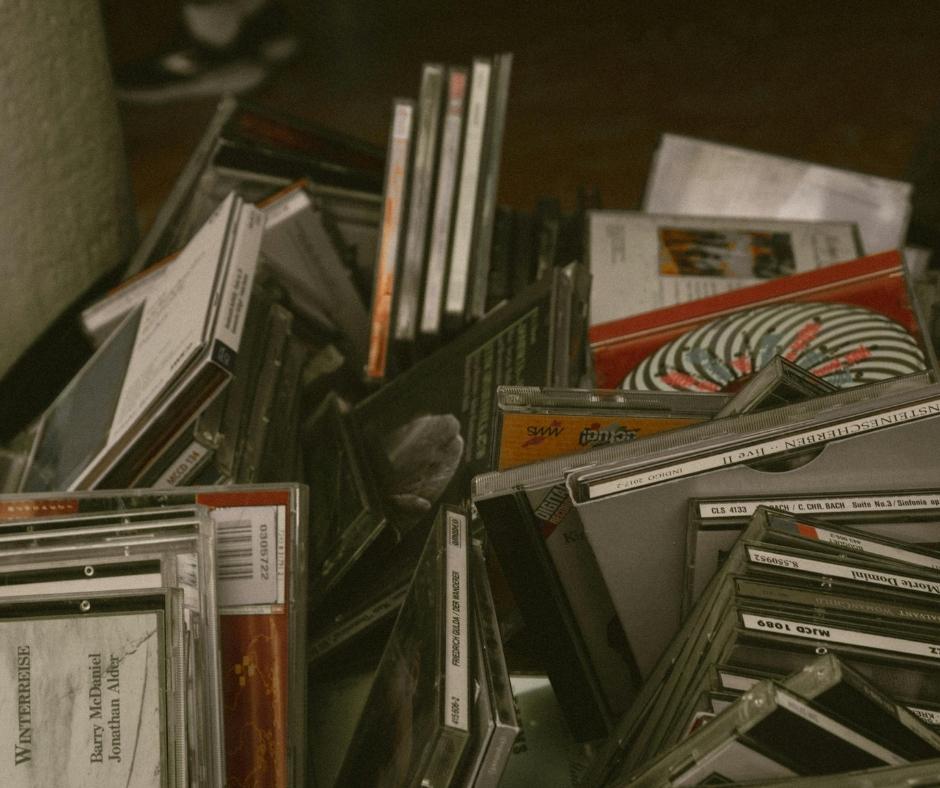
hoarding cleaning service in NYC for an unorganized space

Safety and Legal Considerations in NYC

New York City regulations directly affect hoarding cleanup logistics.

Improper disposal of bulky items can result in fines. Additionally, landlords must follow tenant property laws when authorizing removal.

Before hiring hoarding cleaning services in NYC, confirm:
• The disposal route. Is it DSNY curb pickup or private transfer station hauling?
• Proof of insurance and workers’ compensation.
• Names of licensed subcontractors for biohazards.
• Written consent from the occupant or legal representative.
• If these details are unclear, pause the process.
 
For example, using DSNY pickup in a building that requires commercial hauling may cause delays and duplicate hauling fees. Clarifying disposal plans in writing prevents unexpected costs.

Choosing the Right Provider: Practical Questions to Ask

Before signing a contract, ask direct questions.

Request a sample consent form and a photographed inventory procedure. Ask who will be on-site and what roles they hold. Confirm the disposal method and request example receipts.

Additionally, verify whether biohazard subcontractors are named in advance.
 
Red flags include:
• Pressure to start immediately without a written scope.
• Refusal to provide insurance documentation.
• Demands for full payment before work begins.
• Vague answers about disposal routes.
Hoarding cleaning services in NYC requires accountability. Therefore, documentation matters as much as labor.

How Clutter Free Service Can Help

Clutter Free Service provides structured and compassionate hoarding cleaning services in NYC.

Their process begins with a detailed on-site assessment and a written proposal. Rather than offering vague pricing, they separate labor, hauling, remediation, and organizing costs.

Additionally, Clutter Free Service uses phased cleanup methods. Sentimental items are documented and preserved before removal. When necessary, licensed remediation professionals are coordinated.

The company also provides disposal receipts and photographic records. This documentation supports landlords, property managers, and families.

Moreover, Clutter Free Service discusses maintenance planning after cleanup. This reduces recurrence and supports long-term stability.
 
When comparing providers, reviewing documentation standards and phased scheduling often reveals major differences in professionalism.

Final Thoughts

Hoarding cleaning services in NYC involves more than clearing clutter. They require planning, documentation, safety awareness, and emotional sensitivity.

Costs vary based on labor, disposal, and remediation needs. Timelines depend on decision pacing and building logistics. Compassionate care increases labor but reduces conflict and relapse.

Ultimately, the right provider offers transparency, structured phases, and clear documentation. When you prioritize these elements, you protect both property and people.
 
Approach the process thoughtfully. Demand written estimates, verify disposal methods, and choose a team that values both safety and dignity.
hoarding cleaning service in NYC
Hoarding situations are complex. They involve safety concerns, emotional sensitivity, legal risks, and logistical challenges. Therefore, hiring professional hoarding cleaning services in NYC requires more than comparing prices.
In New York City, building rules, disposal regulations, and tenant laws add another layer of responsibility. As a result, choosing the right provider protects not only the property but also the people involved.
 
This blog post explains what professional hoarding cleaning services in NYC entails from pricing, areas covered, realistic timelines, and how compassionate care changes outcomes. In addition, you will learn what to demand in a written estimate and how to avoid common hiring mistakes.

What Professional Hoarding Cleaning Services in NYC Actually Include

Hoarding cleanup is not simple junk removal. Instead, it is a structured, phased process.
 
Professional hoarding cleaning services in NYC typically combine safety management, sorting, documentation, disposal logistics, and deep cleaning. In severe cases, licensed remediation specialists may also be involved.
 
A complete service usually includes:
• On-site assessment and planning – A detailed walkthrough identifies hazards, access constraints, sentimental items, and disposal volume. This visit produces a written, phased work plan.
• Sorting and item preservation – Crews separate items into keep, donate, recycle, hazardous, and discard categories. Importantly, sentimental items are documented before removal.
• Bulk removal and hauling logistics – NYC disposal rules require coordination with either DSNY pickup or licensed transfer stations. This decision directly affects cost and scheduling.
• Deep cleaning and sanitization – After clutter removal, technicians perform heavy-duty cleaning. In some cases, pest treatment or mold remediation is necessary.
• Documentation and receipts – Reputable providers deliver before-and-after photos, donation receipts, and disposal records. This paperwork protects landlords and families.
 
Unlike basic junk haulers, hoarding cleaning services in NYC must balance speed with sensitivity. Removing everything in one day may seem efficient. However, rushed jobs often lead to lost valuables, family disputes, or legal complications.

Assessment and Planning: The Most Important Phase

The assessment phase determines everything that follows. Without a thorough evaluation, costs and timelines quickly spiral.

During an on-site assessment, professionals check:
Building access limitations, such as narrow staircases or elevator requirements.
Evidence of mold, rodents, or biohazards.
Large appliances or e-waste require special disposal.
Personal documents or sentimental property that must be preserved.
This visit results in a written estimate. That estimate should separate labor, disposal, remediation, and optional organizing services.

If a provider offers a flat quote without visiting the property, proceed carefully. Hidden hazards are common in hoarding environments. Therefore, accurate pricing requires inspection.

Although a thorough assessment may add time at the beginning, it prevents costly work stoppages later.

Realistic Cost Ranges for Hoarding Cleaning Services in NYC

Costs vary widely based on severity, access, and contamination level. However, understanding pricing categories helps you prepare.

In NYC, smaller single-room projects may begin in the low thousands. Moderate two- or three-room projects often fall between several thousand dollars. Large or severely contaminated units can reach five figures.

Pricing depends on four primary variables:
• Labor intensity – Hoarding cleanup requires slower pacing and more crew hours than junk removal.
• Disposal method – DSNY curb pickup costs less than commercial transfer station hauling. However, many NYC buildings require private hauling.
• Licensed remediation – Mold, biohazards, or pest infestation significantly increases cost.

• Documentation and organizing services – Preserving keepsakes and creating labeled systems adds labor but reduces relapse risk.

For example, a Brooklyn three-bedroom apartment with pest issues and heavy clutter may cost between $10,000 and $15,000. Labor may account for the majority of that total.

Be cautious of extremely low bids. In many cases, low quotes exclude remediation, disposal fees, or documentation services. These omissions lead to change orders and higher final invoices.

Timeline Expectations from Start to Finish

Many clients ask how long hoarding cleaning services in NYC take. The answer depends more on complexity than square footage.

A small project may take one to three days. Moderate cases often require one to two weeks. Severe cases involving contamination or structural issues may take several weeks.
 
The timeline generally follows these phases:

Phase One: Intake and Scheduling

Access is confirmed. Building management may require elevator reservations or insurance certificates.

Phase Two: Hazard Triage

Immediate safety risks are addressed. If biohazards are present, licensed subcontractors are scheduled.

Phase Three: Sorting and Decision Making

This phase takes the longest. Occupants or family members review items at a manageable pace.

Phase Four: Bulk Removal

Once sorting is complete, hauling occurs in coordinated truck runs.

Phase Five: Deep Cleaning and Remediation

Sanitizing, deodorizing, and pest treatment follow debris removal.

Phase Six: Follow-Up Support

Organizing systems or maintenance visits may be scheduled to reduce recurrence.
Because each stage depends on the previous one, rushing the early phases often delays completion later. Therefore, realistic scheduling prevents frustration.

Why Compassionate Care Changes Outcomes

Compassion is not optional in hoarding cleanup. It is an operational strategy.

Forced or rushed clearouts frequently cause emotional distress and future re-accumulation. By contrast, trauma-informed practices improve cooperation and long-term stability.

Compassionate hoarding cleaning services in NYC implement specific protocols:
• Clear explanation of daily plans before work begins.
• Designated keepsake areas where residents place protected items.
• Cooling-off boxes for uncertain decisions.
• Signed consent before disposal of sensitive items.
• Privacy protection for documents and personal information.
• These practices add labor hours. However, they reduce conflict and legal risk.
 
For example, allowing a one-week review period for contested boxes may delay final disposal. Nevertheless, it prevents disputes and accusations of lost property.
 
The trade-off is simple. Faster removal reduces immediate cost. Structured compassion reduces long-term consequences.
hoarding cleaning service in NYC for an unorganized space

Safety and Legal Considerations in NYC

New York City regulations directly affect hoarding cleanup logistics.

Improper disposal of bulky items can result in fines. Additionally, landlords must follow tenant property laws when authorizing removal.

Before hiring hoarding cleaning services in NYC, confirm:
• The disposal route. Is it DSNY curb pickup or private transfer station hauling?
• Proof of insurance and workers’ compensation.
• Names of licensed subcontractors for biohazards.
• Written consent from the occupant or legal representative.
• If these details are unclear, pause the process.
 
For example, using DSNY pickup in a building that requires commercial hauling may cause delays and duplicate hauling fees. Clarifying disposal plans in writing prevents unexpected costs.

Choosing the Right Provider: Practical Questions to Ask

Before signing a contract, ask direct questions.

Request a sample consent form and a photographed inventory procedure. Ask who will be on-site and what roles they hold. Confirm the disposal method and request example receipts.

Additionally, verify whether biohazard subcontractors are named in advance.
 
Red flags include:
• Pressure to start immediately without a written scope.
• Refusal to provide insurance documentation.
• Demands for full payment before work begins.
• Vague answers about disposal routes.
Hoarding cleaning services in NYC requires accountability. Therefore, documentation matters as much as labor.

How Clutter Free Service Can Help

Clutter Free Service provides structured and compassionate hoarding cleaning services in NYC.

Their process begins with a detailed on-site assessment and a written proposal. Rather than offering vague pricing, they separate labor, hauling, remediation, and organizing costs.

Additionally, Clutter Free Service uses phased cleanup methods. Sentimental items are documented and preserved before removal. When necessary, licensed remediation professionals are coordinated.

The company also provides disposal receipts and photographic records. This documentation supports landlords, property managers, and families.

Moreover, Clutter Free Service discusses maintenance planning after cleanup. This reduces recurrence and supports long-term stability.
 
When comparing providers, reviewing documentation standards and phased scheduling often reveals major differences in professionalism.

Final Thoughts

Hoarding cleaning services in NYC involves more than clearing clutter. They require planning, documentation, safety awareness, and emotional sensitivity.

Costs vary based on labor, disposal, and remediation needs. Timelines depend on decision pacing and building logistics. Compassionate care increases labor but reduces conflict and relapse.

Ultimately, the right provider offers transparency, structured phases, and clear documentation. When you prioritize these elements, you protect both property and people.
 
Approach the process thoughtfully. Demand written estimates, verify disposal methods, and choose a team that values both safety and dignity.

Share the Post:

Related Posts

Scroll to Top