Table of Contents
ToggleStep 1: Intake and Onsite Assessment
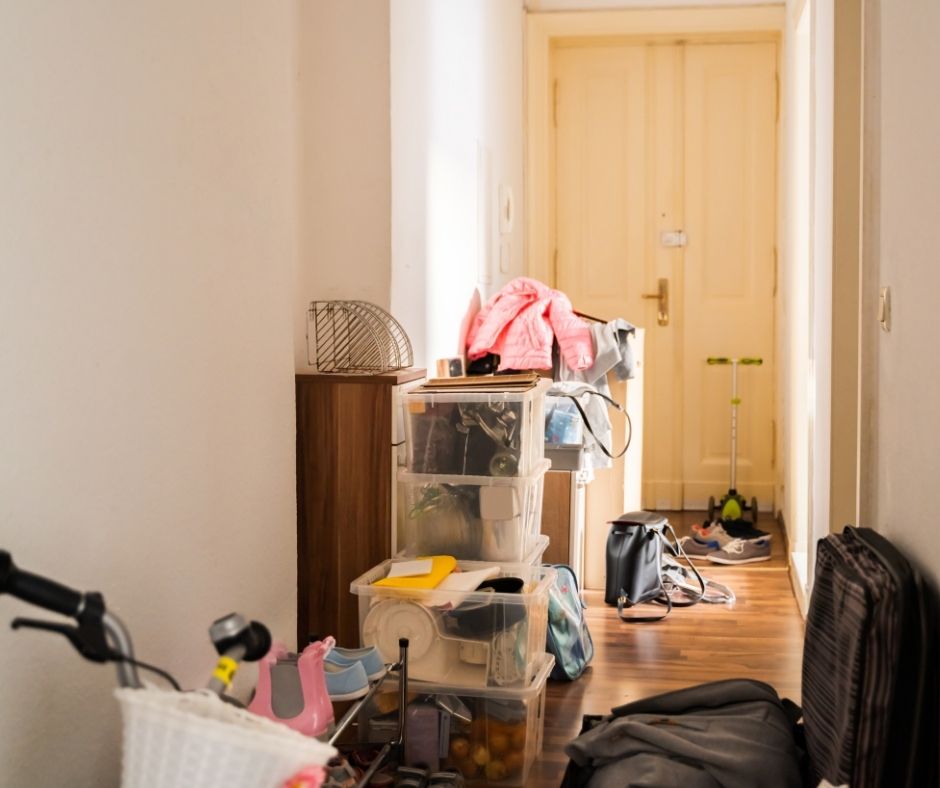
Every professional hoarder cleanup in New York begins with intake. This first conversation establishes scope, urgency, and safety concerns.
• Type of property (apartment, brownstone, or commercial unit)
• Approximate number of affected rooms
• Presence of mold, pests, or odors
• Utility access issues
• Whether the resident is cooperative
• Any existing violations or landlord notices
However, phone calls provide limited insight. Therefore, an onsite assessment follows.
• Fire hazards caused by combustible piles
• Blocked exits and stairways
• Structural strain on floors or ceilings
• Rodent droppings or insect infestation
• Water damage and mold growth
• Electrical risks from overloaded outlets
• Areas containing biofluids or medical waste
Additionally, photographs document existing conditions, and written notes outline risk levels as well as recommended actions.
• Low-level clutter requiring organizing support.
• Moderate hoarding requiring staged removal and cleaning.
• Severe hoarding requiring multi-day cleanup and licensed remediation.
Step 2: Safety Planning and Hazard Control
Step 3: Collaborative Cleanup Planning
Step 4: Room by Room Sorting and Decluttering
Step 5: Deep Cleaning and Remediation
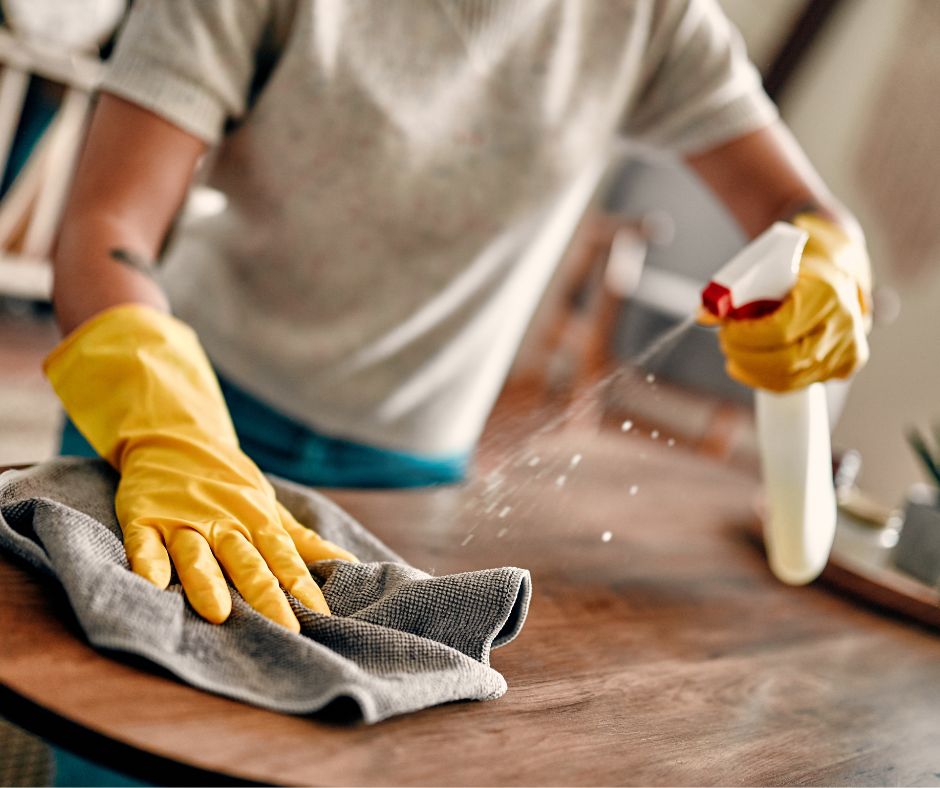
Decluttering removes visible volume. However, it does not eliminate contamination, odor, or structural risk. Therefore, deep cleaning begins immediately after debris removal.
At this stage, crews shift from removal to environmental restoration. The goal is to return the space to safe, functional use.
Standard Deep Cleaning
Licensed Biohazard Remediation
Certain conditions exceed the scope of general cleanup. In these cases, licensed remediation contractors must take over specific portions of the project.
Licensed biohazard remediation becomes necessary when:
• Bloodborne pathogens are present.
• Extensive fecal contamination exists.
• Severe structural mold appears.
• Decomposition or bodily fluids are involved.
Biohazard companies use containment barriers and regulated disposal systems. They provide certification documentation afterward.
In NYC apartments, common remediation includes pest control, mold remediation, and moisture source repair. Coordination between cleanup teams and licensed contractors ensures safe completion.
Professional hoarder cleanup in New York often requires this layered approach.