
Post-Move Decluttering in NY: 10 Common Struggles After Moving and How to Overcome Them

Moving into a new home should feel exciting and refreshing. However, the reality often looks different. Boxes remain unopened, closets become overcrowded, and paperwork spreads across every surface. As a result, many households struggle to feel settled even weeks after moving day.

Post-move decluttering in NY focuses on solving these issues quickly and efficiently. Instead of allowing clutter to build up, homeowners and renters take structured steps to organize their space and remove unnecessary belongings.
 
New York homes present unique challenges during this process. Apartments often have limited storage space, narrow hallways, and strict building rules for moving items. Consequently, decluttering requires both planning and efficient decision-making.

Excess Boxes and Delayed Unpacking

Unopened boxes often become the first obstacle after moving. When boxes remain stacked for weeks, rooms feel incomplete, and daily routines become harder to manage.

Therefore, the first goal of post-move decluttering in NY should be creating a functional living environment. Start by identifying essential items needed for daily life. These include clothing, toiletries, kitchen tools, and work equipment. Once these items are accessible, focus on unpacking one room at a time.

Setting short time blocks helps maintain progress. For example, dedicating ninety minutes each evening to unpacking prevents the task from becoming overwhelming. In addition, avoid overthinking organization during the first phase. Place items where they will be used immediately. Detailed organization can happen later once the home becomes functional.
 
By prioritizing essential spaces first, boxes disappear faster, and the home begins to feel comfortable.

Misplaced Essentials Disrupt Daily Life

After moving, many people lose track of important items such as keys, chargers, or documents. This situation creates unnecessary stress and slows down everyday routines. To solve this problem, create a simple landing area near the entrance of your home. This space should hold frequently used items such as wallets, keys, and charging cables.
 
Consistency is essential. Each household member should place their items in the same location every day. Over time, this routine eliminates the frustration of searching through boxes or drawers. Additionally, keep important documents in a dedicated folder. Passports, leases, and insurance records should remain easily accessible.
Small systems like these greatly improve organization during post-move decluttering in NY.

Overcrowded Closets and Clothing Overflow

Closets often reveal the true volume of belongings brought during a move. Clothing that once fit easily in a larger home may now overwhelm limited closet space. As a result, post-move decluttering often begins with wardrobe organization.

Start by removing every item from the closet. Sorting clothing outside the closet helps create a clear view of what you own. Then evaluate each item carefully. Ask whether the clothing has been worn within the last year. If the answer is no, consider donating or selling it.
 
Many New York residents choose local donation centers such as Goodwill or Housing Works. These organizations accept gently used clothing and support community programs. Once unnecessary items are removed, reorganize the remaining clothing by category. This approach keeps closets manageable and prevents clutter from returning.

Kitchen Chaos and Duplicate Appliances

Kitchens frequently accumulate duplicate appliances and unnecessary tools during moves. Items such as extra blenders, unused cookware, or specialty gadgets quickly crowd cabinets and countertops.

Therefore, organizing the kitchen is another important step in post-move decluttering in NY. Begin by selecting essential cooking tools for everyday use. These usually include a few pots, pans, knives, and utensils. Then evaluate other appliances based on frequency of use. If an appliance is rarely used, consider donating or selling it. For example, specialty devices like bread makers or pasta machines often occupy valuable space without regular use.
 
Removing these items improves cabinet organization and creates a more functional kitchen.

Paperwork and Mail Clutter

Paperwork quickly accumulates after moving. Utility bills, instruction manuals, and receipts often pile up in unopened boxes. Without organization, this paperwork becomes difficult to manage.
 
A simple filing system helps prevent this problem. Create folders for essential categories such as bills, housing documents, and warranties. In addition, scanning important documents can reduce physical clutter. Digital storage allows quick access while minimizing paper accumulation. Establishing a weekly routine for reviewing mail also keeps paperwork under control.
 
Although paperwork may seem minor, organizing it early helps maintain order throughout the home.

Emotional Attachment to Belongings

Sentimental items often slow down post-move decluttering. Objects tied to memories can be difficult to discard even when they serve no practical purpose. However, keeping too many sentimental items can overwhelm a limited living space.

A useful strategy is to limit the number of memory items kept in the home. For example, designate one storage box for personal keepsakes. Items that do not fit within that space can be photographed before donation or disposal. This preserves the memory while reducing physical clutter.
 
Over time, this approach helps balance emotional value with practical living needs.

Furniture That Does Not Fit the New Space

Furniture purchased for previous homes may not suit the layout of a new apartment. Large pieces can block walkways or reduce usable floor space.

Consequently, evaluating furniture becomes an important part of post-move decluttering in NY. Measure each room carefully before deciding which pieces to keep. Furniture that fits poorly often creates daily frustration.
 
Selling or donating oversized pieces can dramatically improve comfort and space efficiency. Many New Yorkers sell furniture locally through online marketplaces. Others choose donation organizations that accept large items.
 
Removing unsuitable furniture helps the home feel more open and functional.
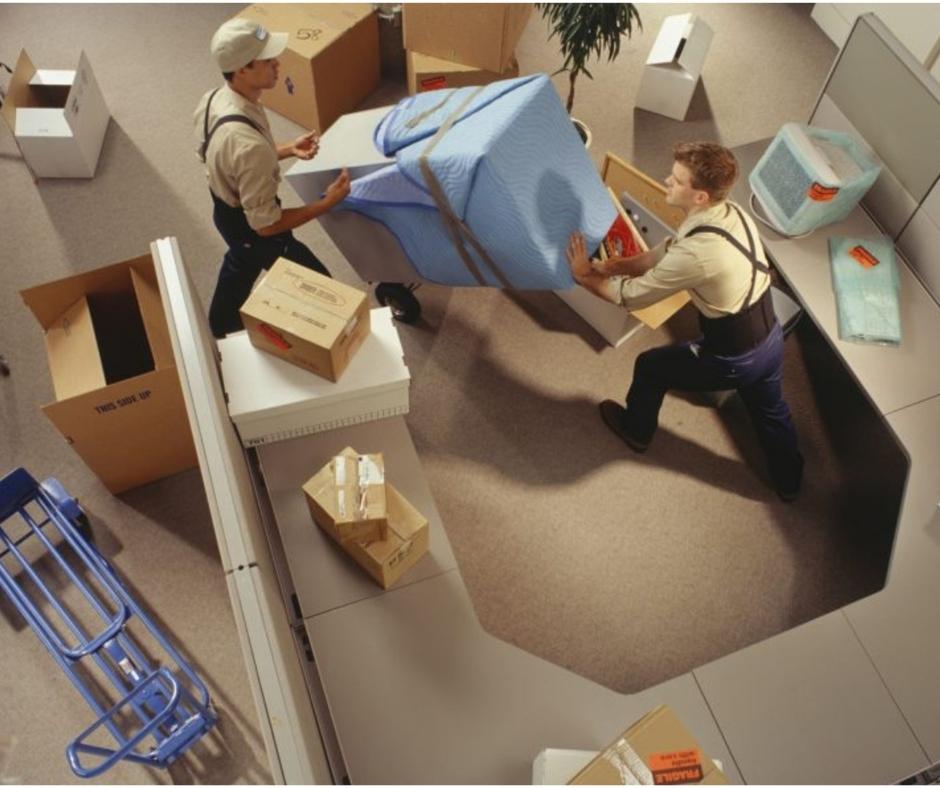
Post-Move Decluttering in New York

Handling Bulky or Difficult Items

Certain belongings require special disposal methods. Electronics, mattresses, paint cans, and appliances cannot always be discarded with regular trash. Therefore, homeowners must understand local disposal rules.
 
The New York Department of Sanitation provides guidelines for bulk disposal and recycling. Following these regulations prevents fines and ensures safe waste handling. However, scheduling pickups and transporting large items can take time.
 
When bulky items slow down post-move decluttering in NY, professional removal services can simplify the process.

Coordinating Donations and Sales

Selling or donating items is often the final step in post-move decluttering. However, coordinating pickups and drop-offs can become complicated.
 
Selling items requires photographing products, communicating with buyers, and scheduling meetings. Although selling may recover some money, the process can take several days.
 
Donation offers a faster alternative. Local charities often accept clothing, furniture, and household items. Scheduling donation drop-offs within the same week helps remove clutter quickly.
 
Making clear decisions about selling or donating prevents piles from lingering in the home.

Recognizing When Professional Help Is Needed

Sometimes decluttering becomes too large to manage alone. Busy schedules, heavy furniture, or building restrictions can make the process difficult. In these situations, hiring professional help saves time and energy.
 
Professional teams handle sorting, hauling, and donation coordination. They also understand local disposal regulations. Instead of spending weeks managing clutter, homeowners can complete the process within days. Recognizing when to seek assistance prevents unnecessary stress and delays.

How Clutter Free Service Can Help

Post-move decluttering in NY often involves more work than people expect. Sorting belongings, scheduling donations, and handling bulky items requires time and physical effort.
 
Clutter Free Service provides professional support for individuals who need help completing this process efficiently.

Their team specializes in residential cleanouts, decluttering assistance, and donation coordination. They help clients remove unwanted items while ensuring proper disposal methods.

Clutter Free Service works with homeowners, renters, and property managers throughout New York. Their crews handle heavy lifting, item sorting, and logistics so clients can focus on settling into their homes.

For households with strict deadlines or large amounts of clutter, professional assistance can significantly speed up the decluttering process.

Final Thoughts

Moving into a new home marks the beginning of a fresh chapter. However, the process does not truly end on moving day.

Boxes, clutter, and misplaced belongings often remain long after the move. Without structured decluttering, these issues can make a new home feel disorganized.

Post-move decluttering in NY helps transform a chaotic living space into an organized and comfortable environment. By addressing common challenges step by step, homeowners regain control of their homes more quickly.

Removing unnecessary belongings also improves functionality and creates more usable space. Over time, these improvements make everyday living easier and more enjoyable.
 
Whether you manage the process yourself or work with professionals, post-move decluttering ensures your new home truly becomes a place to live and thrive.
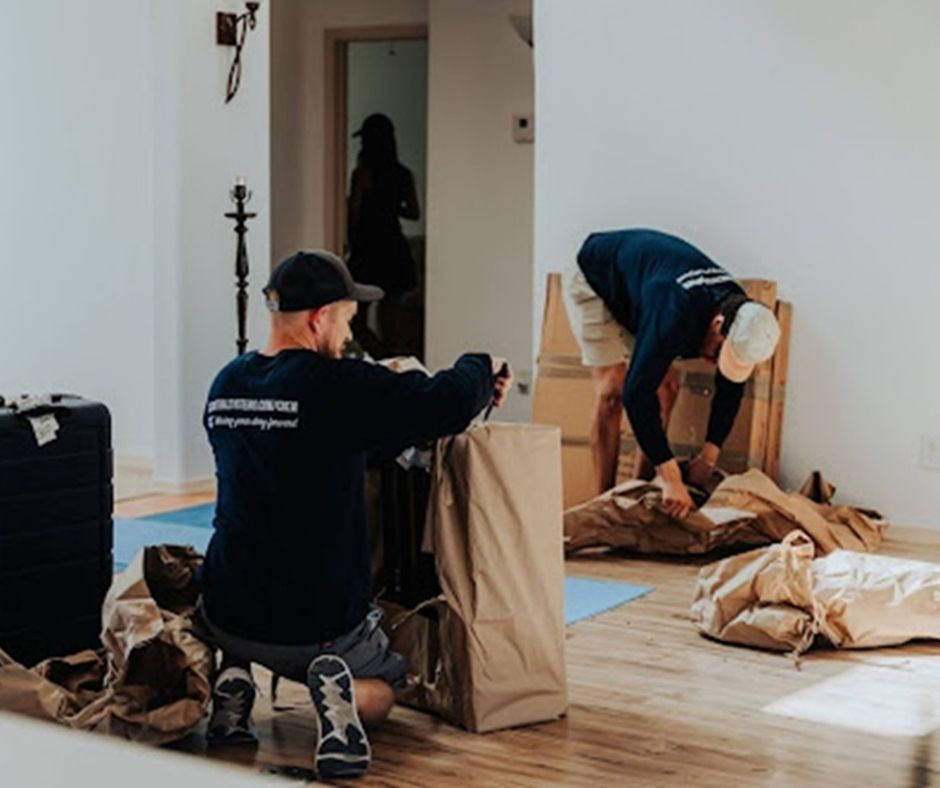
Post-Move Decluttering in New York
Moving into a new home should feel exciting and refreshing. However, the reality often looks different. Boxes remain unopened, closets become overcrowded, and paperwork spreads across every surface. As a result, many households struggle to feel settled even weeks after moving day.

Post-move decluttering in NY focuses on solving these issues quickly and efficiently. Instead of allowing clutter to build up, homeowners and renters take structured steps to organize their space and remove unnecessary belongings.
 
New York homes present unique challenges during this process. Apartments often have limited storage space, narrow hallways, and strict building rules for moving items. Consequently, decluttering requires both planning and efficient decision-making.

Excess Boxes and Delayed Unpacking

Unopened boxes often become the first obstacle after moving. When boxes remain stacked for weeks, rooms feel incomplete, and daily routines become harder to manage.

Therefore, the first goal of post-move decluttering in NY should be creating a functional living environment. Start by identifying essential items needed for daily life. These include clothing, toiletries, kitchen tools, and work equipment. Once these items are accessible, focus on unpacking one room at a time.

Setting short time blocks helps maintain progress. For example, dedicating ninety minutes each evening to unpacking prevents the task from becoming overwhelming. In addition, avoid overthinking organization during the first phase. Place items where they will be used immediately. Detailed organization can happen later once the home becomes functional.
 
By prioritizing essential spaces first, boxes disappear faster, and the home begins to feel comfortable.

Misplaced Essentials Disrupt Daily Life

After moving, many people lose track of important items such as keys, chargers, or documents. This situation creates unnecessary stress and slows down everyday routines. To solve this problem, create a simple landing area near the entrance of your home. This space should hold frequently used items such as wallets, keys, and charging cables.
 
Consistency is essential. Each household member should place their items in the same location every day. Over time, this routine eliminates the frustration of searching through boxes or drawers. Additionally, keep important documents in a dedicated folder. Passports, leases, and insurance records should remain easily accessible.
Small systems like these greatly improve organization during post-move decluttering in NY.

Overcrowded Closets and Clothing Overflow

Closets often reveal the true volume of belongings brought during a move. Clothing that once fit easily in a larger home may now overwhelm limited closet space. As a result, post-move decluttering often begins with wardrobe organization.

Start by removing every item from the closet. Sorting clothing outside the closet helps create a clear view of what you own. Then evaluate each item carefully. Ask whether the clothing has been worn within the last year. If the answer is no, consider donating or selling it.
 
Many New York residents choose local donation centers such as Goodwill or Housing Works. These organizations accept gently used clothing and support community programs. Once unnecessary items are removed, reorganize the remaining clothing by category. This approach keeps closets manageable and prevents clutter from returning.

Kitchen Chaos and Duplicate Appliances

Kitchens frequently accumulate duplicate appliances and unnecessary tools during moves. Items such as extra blenders, unused cookware, or specialty gadgets quickly crowd cabinets and countertops.

Therefore, organizing the kitchen is another important step in post-move decluttering in NY. Begin by selecting essential cooking tools for everyday use. These usually include a few pots, pans, knives, and utensils. Then evaluate other appliances based on frequency of use. If an appliance is rarely used, consider donating or selling it. For example, specialty devices like bread makers or pasta machines often occupy valuable space without regular use.
 
Removing these items improves cabinet organization and creates a more functional kitchen.

Paperwork and Mail Clutter

Paperwork quickly accumulates after moving. Utility bills, instruction manuals, and receipts often pile up in unopened boxes. Without organization, this paperwork becomes difficult to manage.
 
A simple filing system helps prevent this problem. Create folders for essential categories such as bills, housing documents, and warranties. In addition, scanning important documents can reduce physical clutter. Digital storage allows quick access while minimizing paper accumulation. Establishing a weekly routine for reviewing mail also keeps paperwork under control.
 
Although paperwork may seem minor, organizing it early helps maintain order throughout the home.

Emotional Attachment to Belongings

Sentimental items often slow down post-move decluttering. Objects tied to memories can be difficult to discard even when they serve no practical purpose. However, keeping too many sentimental items can overwhelm a limited living space.

A useful strategy is to limit the number of memory items kept in the home. For example, designate one storage box for personal keepsakes. Items that do not fit within that space can be photographed before donation or disposal. This preserves the memory while reducing physical clutter.
 
Over time, this approach helps balance emotional value with practical living needs.

Furniture That Does Not Fit the New Space

Furniture purchased for previous homes may not suit the layout of a new apartment. Large pieces can block walkways or reduce usable floor space.

Consequently, evaluating furniture becomes an important part of post-move decluttering in NY. Measure each room carefully before deciding which pieces to keep. Furniture that fits poorly often creates daily frustration.
 
Selling or donating oversized pieces can dramatically improve comfort and space efficiency. Many New Yorkers sell furniture locally through online marketplaces. Others choose donation organizations that accept large items.
 
Removing unsuitable furniture helps the home feel more open and functional.
Post-Move Decluttering in New York

Handling Bulky or Difficult Items

Certain belongings require special disposal methods. Electronics, mattresses, paint cans, and appliances cannot always be discarded with regular trash. Therefore, homeowners must understand local disposal rules.
 
The New York Department of Sanitation provides guidelines for bulk disposal and recycling. Following these regulations prevents fines and ensures safe waste handling. However, scheduling pickups and transporting large items can take time.
 
When bulky items slow down post-move decluttering in NY, professional removal services can simplify the process.

Coordinating Donations and Sales

Selling or donating items is often the final step in post-move decluttering. However, coordinating pickups and drop-offs can become complicated.
 
Selling items requires photographing products, communicating with buyers, and scheduling meetings. Although selling may recover some money, the process can take several days.
 
Donation offers a faster alternative. Local charities often accept clothing, furniture, and household items. Scheduling donation drop-offs within the same week helps remove clutter quickly.
 
Making clear decisions about selling or donating prevents piles from lingering in the home.

Recognizing When Professional Help Is Needed

Sometimes decluttering becomes too large to manage alone. Busy schedules, heavy furniture, or building restrictions can make the process difficult. In these situations, hiring professional help saves time and energy.
 
Professional teams handle sorting, hauling, and donation coordination. They also understand local disposal regulations. Instead of spending weeks managing clutter, homeowners can complete the process within days. Recognizing when to seek assistance prevents unnecessary stress and delays.

How Clutter Free Service Can Help

Post-move decluttering in NY often involves more work than people expect. Sorting belongings, scheduling donations, and handling bulky items requires time and physical effort.
 
Clutter Free Service provides professional support for individuals who need help completing this process efficiently.

Their team specializes in residential cleanouts, decluttering assistance, and donation coordination. They help clients remove unwanted items while ensuring proper disposal methods.

Clutter Free Service works with homeowners, renters, and property managers throughout New York. Their crews handle heavy lifting, item sorting, and logistics so clients can focus on settling into their homes.

For households with strict deadlines or large amounts of clutter, professional assistance can significantly speed up the decluttering process.

Final Thoughts

Moving into a new home marks the beginning of a fresh chapter. However, the process does not truly end on moving day.

Boxes, clutter, and misplaced belongings often remain long after the move. Without structured decluttering, these issues can make a new home feel disorganized.

Post-move decluttering in NY helps transform a chaotic living space into an organized and comfortable environment. By addressing common challenges step by step, homeowners regain control of their homes more quickly.

Removing unnecessary belongings also improves functionality and creates more usable space. Over time, these improvements make everyday living easier and more enjoyable.
 
Whether you manage the process yourself or work with professionals, post-move decluttering ensures your new home truly becomes a place to live and thrive.
Share the Post:

Related Posts

Scroll to Top