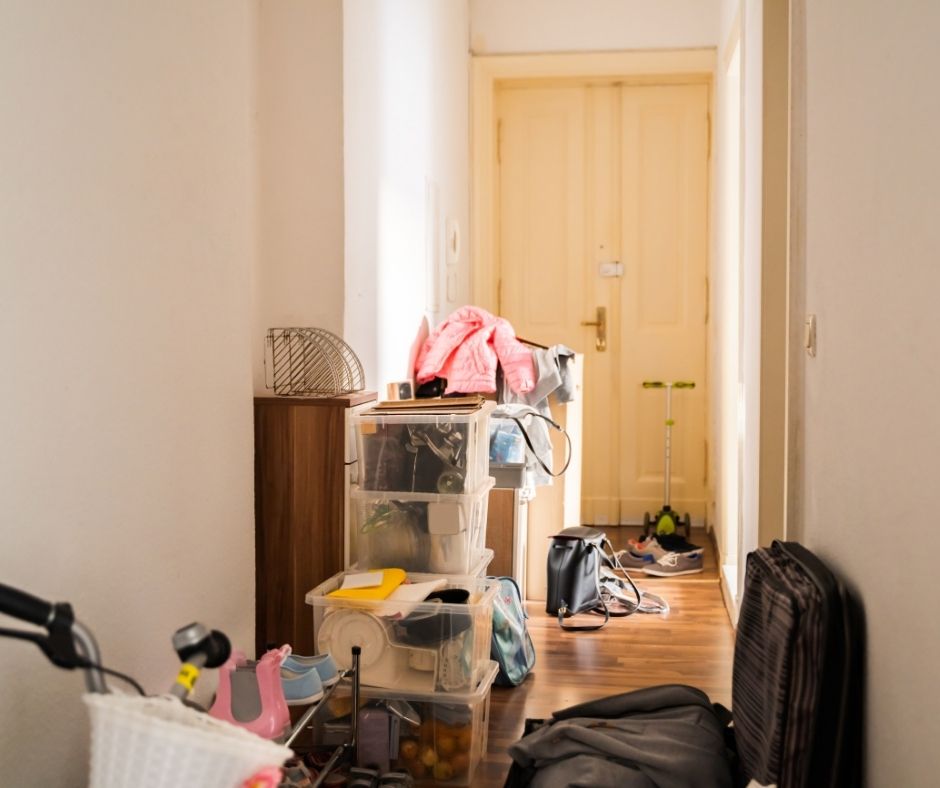
Most people do not intentionally create cluttered homes or overcrowded spaces. In fact, clutter often develops through ordinary decisions. These choices seem practical at the time. For example, a chair moves into storage because it may become useful later. Exercise equipment stays in a spare room because fitness goals might restart. Furthermore, boxes remain unopened because there is simply not enough time to sort through them.
Initially, these decisions feel completely harmless. People naturally want to keep useful items. Throwing something away often feels wasteful. This is especially true if the item still works or carries value. Likewise, many people keep belongings because future plans remain uncertain.
However, clutter rarely arrives all at once. Instead, it quietly grows through postponed decisions and everyday habits. Many homes contain items saved for future projects, possible opportunities, or uncertain situations. Individually, these belongings do not create problems. However, keeping “someday items” for years creates unexpected effects.
Rooms begin feeling smaller. Storage areas become harder to manage. Likewise, everyday organization starts requiring much more effort. Professional Junk Removal in NYC becomes less about hauling trash and more about reclaiming space. More importantly, many people eventually realize they store possibilities instead of supporting their current lives. Understanding how these patterns develop creates a different perspective on clutter. Consequently, removing unnecessary items becomes very important.
What Are “Someday Items” and Why Do They Matter?
Most people own belongings connected with future plans. These items remain in homes because they represent possibilities. They do not fulfill present needs. Unlike obvious junk, someday items usually sit in a gray area. They still work, appear useful, or feel valuable enough to keep around.
Imagine opening a closet and finding old hobby supplies. You see unused kitchen appliances, exercise equipment, and boxes from previous moves. None of these items is damaged. Likewise, many still appear useful at first glance. That specific situation often creates the true challenge.
Items with possible future value are harder to evaluate than obvious clutter. People naturally tell themselves, “I might need this later.” They also think, “I will eventually use this again.” Initially, these thoughts sound completely reasonable. They come from practical intentions rather than carelessness.
However, usefulness and actual use are often very different things. For example, someone keeps furniture for a future apartment that never arrives. Others store electronics because they may become useful again. Likewise, many people keep supplies for old hobbies, side projects, or home organization in New York.
The problem is not necessarily the items themselves. Instead, the primary issue involves time. Months gradually become years. Eventually, people stop noticing these belongings altogether. They become permanent parts of the environment.
Additionally, someday items multiply quietly. One box becomes three. One shelf becomes an entire storage area. Before long, spaces designed for daily use serve postponed decisions instead. Because these items connect with future intentions, they are much harder to remove than ordinary clutter.
Why People Hold Onto Things They Rarely Use
Conversations about clutter often focus heavily on organization systems and storage solutions. However, emotional connections play a larger role than many people realize. People rarely keep belongings randomly. Objects often represent memories, effort, security, accomplishments, or unfinished goals. Therefore, removing an item feels larger than simply removing physical objects.
Imagine keeping an expensive treadmill. Getting rid of it feels like abandoning future health goals. Likewise, someone keeps boxes of old work materials. These materials represent years of effort and professional experience. People hold onto belongings because those items remind them of who they were. They also represent who they hope to become.
Additionally, uncertainty heavily influences daily decisions. Questions naturally appear:
- “What if I suddenly need this next month? “
- “What if replacing it becomes expensive later? “
- “What if I regret removing it? “
Although these questions sound reasonable, they create hesitation. Consequently, uncertainty becomes a reason to postpone decisions indefinitely.
Likewise, guilt sometimes influences clutter. People keep gifts they never use because discarding them feels disrespectful. Others save belongings inherited from family members. This happens because emotional value feels tied to the item itself.
Over time, postponed decisions become long-term storage habits. Many people assume clutter develops because of poor organization. However, clutter frequently develops because making decisions feels emotionally exhausting. Therefore, scheduling Junk Removal in NYC begins with recognizing emotional hesitation. It is not just about physical junk alone. Understanding this distinction changes how people approach cleanup projects.
Why New York Homes Feel Cluttered Faster
New York creates unique living conditions compared with suburban environments. Apartments, townhouses, and city homes maximize every available square foot carefully. Consequently, small amounts of clutter create noticeable effects much faster.
Imagine storing several extra boxes inside a large basement. You can learn about managing this through professional basement clean-up services in NY. Space limitations feel manageable because additional storage remains available. Now, imagine placing those same boxes inside a city apartment.
Suddenly, movement changes. Storage areas become tighter. Likewise, layouts that once felt comfortable begin feeling crowded and difficult to navigate. Even one chair, several containers, or additional furniture removal in New York affects room functionality significantly.
Additionally, many New York residents balance demanding schedules. These involve work, commuting, family responsibilities, and city life. As a result, organizational projects move lower on priority lists. People tell themselves they will handle the cleanup during a future weekend. They also wait until work becomes less busy. Unfortunately, future free time rarely appears as expected.
As time passes, clutter accumulation accelerates. Daily routines continue while cleanup efforts remain postponed. Another challenge involves storage creativity. Many city residents become extremely skilled at finding hidden storage spaces. Items move beneath beds, above cabinets, inside closets, and into corners. To solve this, effective closet organization in New York is essential.
Initially, these solutions feel effective. However, hidden storage delays clutter rather than reducing it. Available space remains highly valuable throughout Manhattan, Brooklyn, the Bronx, and Queens. Therefore, utilizing Junk Removal in NYC becomes less about appearance and more about restoring functionality.
When Storage Stops Solving Problems
Storage serves an important purpose inside modern homes. Organized systems help people preserve belongings and maintain structure. Initially, additional storage feels like the perfect answer. However, storage occasionally changes from a useful solution into a hidden clutter problem.
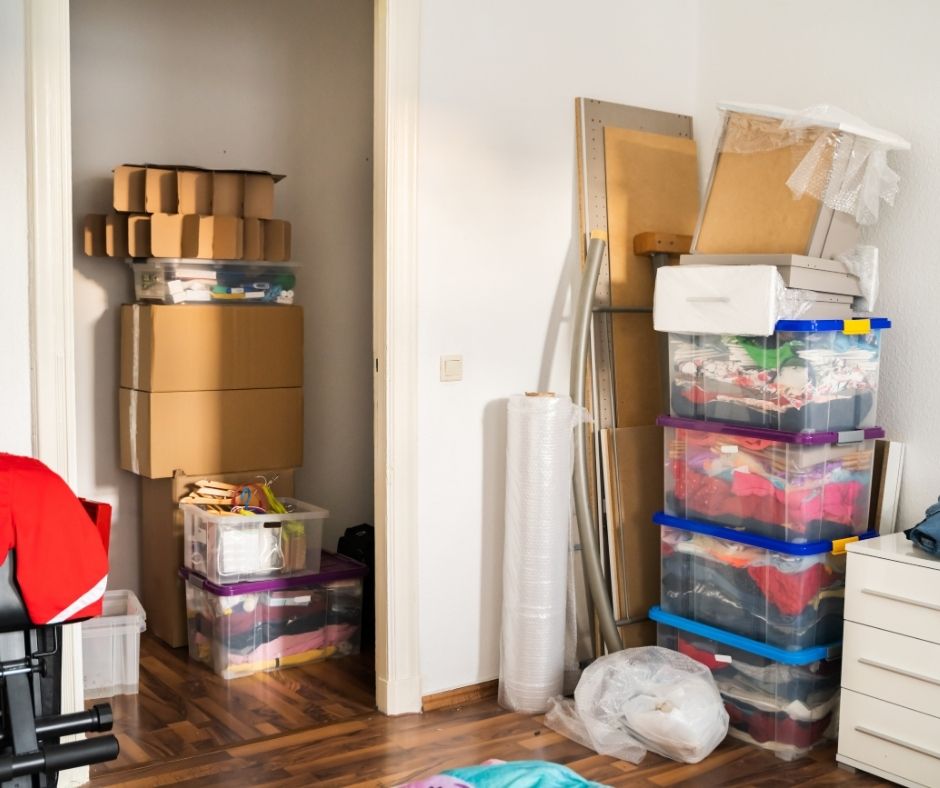
Imagine opening a storage room where shelves overflow with boxes. These items remain untouched for years. Initially, extra storage feels helpful because it removes visible clutter from everyday spaces. However, over time, storage areas become locations where postponed decisions quietly accumulate.
Many people assume clutter disappears when belongings move out of sight. Unfortunately, hidden spaces delay problems rather than solve them. For example, garages become difficult to use. You might need professional garage cleanup in New York to reclaim that space.
Spare rooms slowly lose their original purpose. Closets eventually become overcrowded and harder to manage. Likewise, people move the same boxes repeatedly during organization projects. They do this without ever reviewing what remains inside.
This creates an unexpected shift. Eventually, storage stops serving people, and people begin serving storage. Instead of homes supporting lifestyles, people organize routines around belongings. Space intended for convenience gradually becomes dedicated to maintaining unused possessions. That transition happens slowly. Consequently, many individuals barely recognize it.
How “Someday Clutter” Changes Daily Life
People assume unused belongings remain harmless because they stay tucked away. They sit inside closets and storage spaces. However, clutter changes how homes function every day.
Imagine a guest room slowly transforming into a storage area. Initially, several boxes move inside temporarily. Then, extra furniture arrives. Seasonal decorations eventually occupy the remaining corners. Months later, the room no longer supports guests.
Likewise, garages designed for parking gradually become crowded storage spaces. Home offices lose workspace because unrelated belongings slowly move inside. Although these changes seem minor individually, they create repeated interruptions.
People spend additional time moving belongings before completing ordinary tasks. Storage systems become harder to maintain. Likewise, rooms stop supporting the activities they originally served. Many individuals gradually adapt to these changes. They assume these inconveniences represent normal parts of everyday life.
However, clutter frequently creates invisible friction. Small frustrations repeat daily. Searching for belongings takes longer. Cleaning becomes harder. Furthermore, projects get delayed because workspaces remain crowded. Individually, these inconveniences appear minor. Together, they affect routines far more than people realize.
Why Delayed Decisions Usually Create Larger Projects
One reason clutter becomes difficult involves timing. People frequently postpone cleanup because situations appear manageable in the moment. A few boxes rarely seem urgent. Likewise, one crowded shelf does not feel like a major issue.
However, clutter track records show it rarely remains unchanged. Imagine postponing a small organization project for six months. During that period, additional purchases and paperwork continue to enter the space. Household items and storage containers accumulate quickly.
Eventually, manageable situations become overwhelming projects. What originally required several hours may eventually require multiple weekends. If you plan a relocation, you might need pre-move decluttering in New York.
Likewise, larger projects become emotionally difficult because people do not know where to begin. Looking at a room full of accumulated belongings creates immediate overwhelm. As responsibilities continue growing, motivation frequently decreases. Consequently, clutter keeps accumulating while projects become harder to start. Unfortunately, waiting creates more work rather than reducing it.
How Clutter Free Service Can Help
Large cleanup projects involve more than moving unwanted belongings from one place to another. Consequently, many individuals appreciate practical guidance and experienced support.
Clutter Free Service helps individuals and families explore cleanup and organization solutions. They support cleaner and more functional environments. Their team works with clients seeking practical approaches. They offer manageable strategies during larger projects and life transitions.
Additionally, experienced support helps reduce stress while improving overall organizational efforts. Reliable assistance contributes to smoother transitions and more usable living spaces. As homes and priorities continue changing, thoughtful support becomes increasingly valuable.
Final Thoughts
Most clutter does not begin with junk. Instead, spaces become crowded because postponed decisions gradually accumulate over time. Consequently, belongings connected with future possibilities occupy valuable present space.
Choosing Junk Removal in NYC helps individuals reclaim rooms. It restores functionality and reduces growing clutter before spaces become overwhelming. More importantly, removing unnecessary belongings supports homes that better reflect current needs and routines.
Every household creates different challenges and priorities. Therefore, understanding how clutter develops is an important step. It helps toward creating cleaner and more manageable environments.