Technology changes quickly today. As a result, computers, smartphones, televisions, and printers become outdated faster than ever before. While replacing older equipment improves daily productivity, it also creates a growing challenge that many homes and businesses overlook.
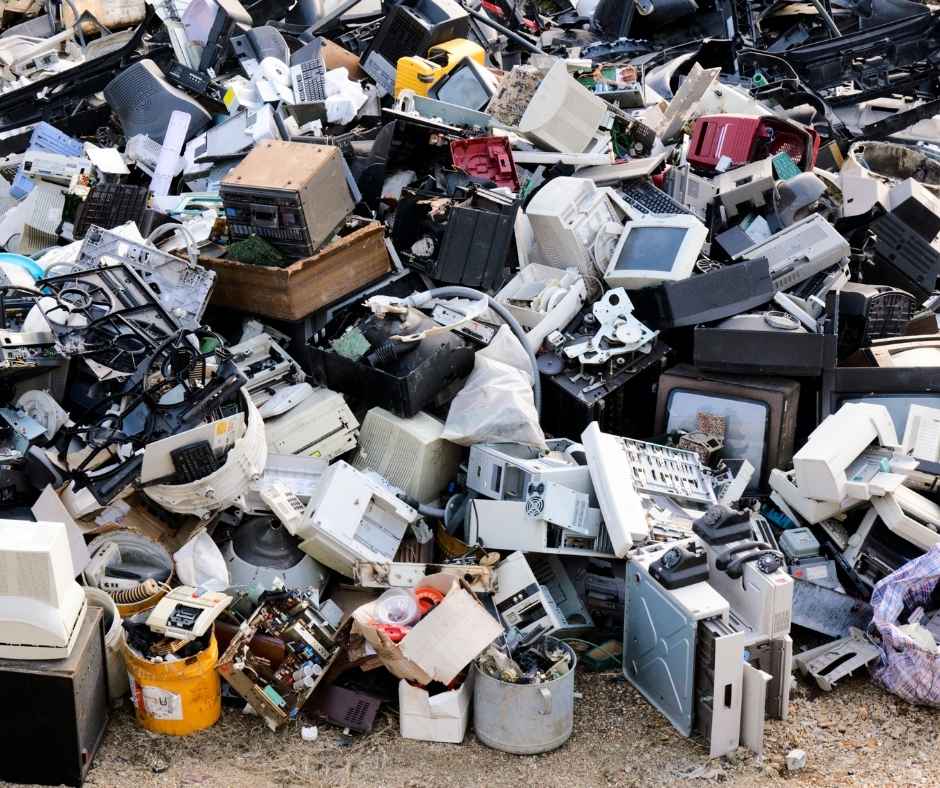
Electronic waste continues to increase across New York every single year. Consequently, responsible disposal becomes more important for protecting both the environment and your personal information. Simply throwing old electronics into the regular trash creates unnecessary risks. This happens because many devices contain hazardous materials and valuable resources.
Fortunately, proper Electronic Recycling in NY offers a highly practical solution. This process allows reusable materials to return to manufacturing pipelines. At the same time, it prevents harmful substances from entering local landfills. Furthermore, certified recycling practices help reduce environmental impacts and encourage responsible resource management.
Whether you replace a personal laptop or upgrade an entire office network, understanding this process helps you make better decisions. Moreover, learning about recycling allows you to protect sensitive information. Ultimately, these actions support a cleaner future for your entire community.
Why Electronic Waste Requires Specialized Recycling
Unlike paper, cardboard, or plastic containers, electronic devices contain a very complex mixture of materials. Therefore, they require specialized handling throughout the entire recycling process. Modern electronics include valuable metals, plastics, glass, circuit boards, batteries, and intricate wiring. Some components contain hazardous substances that require careful removal before recycling begins.
Proper Electronic Recycling in NY ensures these materials receive appropriate treatment. Consequently, they stay out of traditional waste streams.
Some common recyclable electronics include:
- Computers and Laptops: These contain aluminum, copper, steel, memory chips, and circuit boards. Manufacturers easily recover and reuse these valuable parts.
- Mobile Phones and Tablets: These include precious metals like gold, silver, palladium, and copper inside compact components.
- Televisions and Monitors: These require specialized processing. Older units often contain hazardous materials that demand extra care.
- Printers and Scanners: These contain reusable plastics, metals, wiring, and electronic assemblies suitable for excellent material recovery.
- Networking Equipment: This includes routers, switches, servers, and communication devices that businesses replace during routine technology upgrades.
By recycling these devices correctly, valuable resources remain available for future manufacturing. As a result, fewer raw materials require intensive mining, transportation, and processing.
Environmental Benefits Extend Beyond the Landfill
Many people associate electronic recycling only with reducing landfill waste. Although that benefit remains important, the environmental advantages actually extend much further.
Manufacturing new electronic products requires significant amounts of energy, water, and raw materials. Therefore, recovering existing materials helps reduce the demand for newly extracted resources. For example, recycled copper, aluminum, and precious metals require less energy to process than newly mined materials. As a result, manufacturers reduce harmful emissions while conserving finite natural resources.
Electronic recycling also helps prevent toxic contamination. Improperly discarded electronics release harmful substances into soil and groundwater over time. Consequently, responsible recycling protects surrounding ecosystems and nearby communities.
Additional environmental benefits include:
- Conserving finite natural resources by recovering reusable metals, plastics, and glass.
- Reducing greenhouse gas emissions associated with mining and manufacturing new materials.
- Minimizing landfill expansion by diverting bulky electronic equipment from waste facilities.
- Supporting a circular economy where valuable materials remain in active use for longer periods.
Together, these vital efforts create measurable environmental improvements. They also promote sustainable consumption habits for everyone.
Data Security Should Never Be Overlooked
Environmental responsibility represents only one side of electronic recycling. Equally important, protecting your sensitive information must remain a priority before disposing of any electronic device.
Many people assume that deleting files completely removes personal data. However, deleted information often remains recoverable without proper data destruction methods.
Businesses face even greater risks during transitions. Old computers, servers, external hard drives, and mobile devices frequently store confidential client records. They also contain financial information, employee files, passwords, and proprietary business data. Without secure disposal procedures, organizations expose themselves to serious cybersecurity risks and regulatory concerns.
Before recycling electronic equipment, individuals and organizations should:
- Back up important files to secure storage before retiring any device.
- Remove active accounts and deactivate security features linked to the equipment.
- Perform certified data wiping whenever possible.
- Physically destroy storage devices when handling highly sensitive information.
- Work with trusted removal providers that prioritize secure handling procedures.
These steps help protect personal privacy effectively. They also reduce the possibility of unauthorized data recovery.
Electronic Recycling Supports Businesses Throughout Every Growth Stage
Technology investments continue throughout the life of every modern business. New employees require computers. Software upgrades demand newer hardware. Likewise, expanding organizations eventually replace aging equipment to improve overall efficiency.
Consequently, electronic waste becomes an ongoing operational consideration rather than a one-time project. Businesses often recycle:
- Office computers and monitors after hardware refresh cycles.
- Company smartphones are issued to employees.
- Servers replaced during infrastructure upgrades.
- Networking equipment following security improvements.
- Conference room technology during comprehensive office renovations.
- Point-of-sale systems are used by retailers and restaurants.
Managing these assets responsibly supports operational efficiency. It also reduces storage clutter inside offices and warehouses. If you need help organizing your business space, professional home organization principles in New York can also apply to your office storage.
Furthermore, organized recycling projects free valuable workspace. Businesses can dedicate this space to productive operations instead of storing obsolete equipment. As companies continue modernizing their technology, responsible Electronic Recycling in NY becomes an essential part of long-term asset management. This turns a chore into a seamless business strategy.
Understanding Electronic Recycling Requirements in New York
New York continues to strengthen its commitment to reducing electronic waste. Therefore, residents and businesses must understand why proper disposal matters beyond basic environmental responsibility.
Many electronic devices must never enter regular household trash. Instead, they belong in approved recycling programs that safely process reusable and potentially hazardous materials. Responsible Electronic Recycling in NY supports statewide sustainability efforts. It also helps recover valuable resources that manufacturers use again.
Businesses also benefit from developing organized recycling procedures. Rather than waiting until storage rooms overflow, companies can create scheduled equipment replacement and disposal plans. Consequently, they reduce clutter while maintaining better inventory management.
Keeping electronic recycling organized demonstrates environmental responsibility to employees, customers, and business partners. As sustainability continues to influence purchasing decisions, responsible practices help strengthen an organization’s local reputation.
Common Mistakes People Make When Recycling Electronics
Many people have good intentions when disposing of electronics. However, several common mistakes reduce the overall effectiveness of the recycling process. They can also create unnecessary security risks. Fortunately, these issues are very easy to avoid with proper planning.
Some of the most common mistakes include:
- Throwing electronics into household garbage: Many devices contain materials that require specialized recycling rather than simple landfill disposal.
- Forgetting to remove personal information: Computers, tablets, and smartphones store sensitive files that require secure deletion before recycling.
- Allowing old equipment to accumulate: Businesses frequently store outdated electronics for years. This creates unnecessary clutter and reduces usable space.
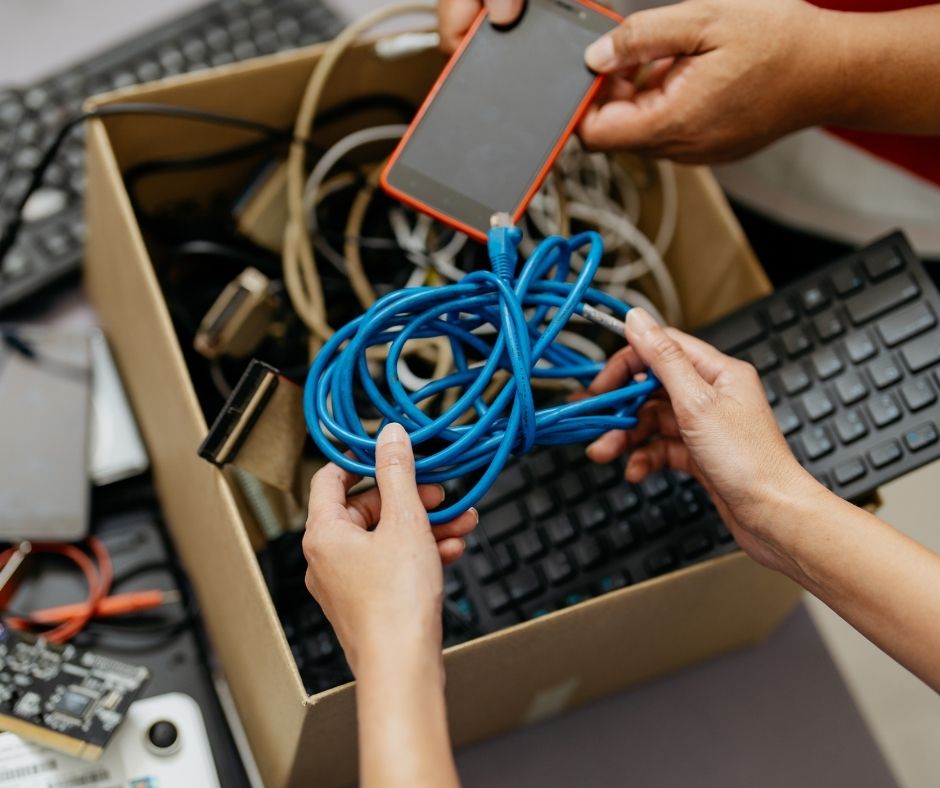
- Separating accessories from devices: Chargers, cables, keyboards, and computer mice contain recyclable materials. They should remain part of the recycling process.
- Waiting until equipment becomes unusable: Planning ahead makes recycling projects more organized and less disruptive.
Avoiding these mistakes allows both homeowners and businesses to recycle electronics more efficiently. It also protects valuable information.
Preparing Electronics Before Recycling
Preparing electronics properly helps simplify the recycling process. It also protects personal and business information. Although preparation varies depending on the device, several best practices apply to most equipment.
Before recycling electronics, consider the following steps:
- Back up important documents, photos, and files before removing the device from service.
- Sign out of cloud accounts and disconnect linked applications from your devices.
- Perform a full factory reset whenever the manufacturer recommends it.
- Remove memory cards, SIM cards, or external storage devices that contain personal information.
- Label equipment if multiple devices belong to different departments or family members.
- Gather power cords, accessories, and compatible equipment whenever possible.
These simple steps help create a smoother recycling experience. They also reduce the possibility of accidental data exposure.
Residential and Commercial Recycling Have Different Needs
Although homeowners and businesses recycle many of the same devices, their primary recycling priorities often differ. Residential electronic recycling usually involves replacing personal computers, televisions, gaming systems, mobile phones, and household electronics. Most homeowners focus on clearing space while protecting family information and reducing household waste.
In contrast, commercial recycling projects involve much larger quantities of equipment. For example, offices replace dozens of computers during technology upgrades. Healthcare facilities retire specialized equipment after modernization projects. Educational institutions regularly update classroom technology to support new learning environments.
Consequently, commercial projects require more structured planning. Businesses often need organized pickup schedules, secure equipment handling, inventory tracking, and efficient removal services. These services minimize operational disruptions during business hours. Regardless of project size, responsible Electronic Recycling in NY helps every organization improve sustainability while maintaining a cleaner workspace.
Why Professional Electronic Recycling Makes the Process Easier
Many people underestimate how much time electronic disposal requires. Large televisions, desktop computers, printers, and networking equipment quickly become difficult to transport and organize. Furthermore, sorting recyclable materials takes additional time and effort.
Professional removal services simplify the process by handling collection, transportation, and responsible disposal. Instead of making multiple trips, property owners remove outdated equipment efficiently. This avoids storing unwanted electronics indefinitely.
Professional assistance also benefits businesses preparing for relocations, renovations, or technology upgrades. If you are preparing for a move, scheduling pre-move decluttering in New York can save significant time. Removing obsolete electronics promptly allows organizations to focus on daily operations instead of equipment disposal logistics.
As technology continues evolving, professional electronic recycling becomes an increasingly practical solution. It works perfectly for both residential and commercial properties.
How Clutter Free Service Can Help
Managing unwanted electronics requires more than simply moving old equipment out of the way. Instead, it requires an organized approach that prioritizes convenience, responsible disposal, and environmental awareness.
At Clutter Free Service, we help homeowners, businesses, property managers, and organizations simplify the electronic recycling process. We manage the project from start to finish. Whether you need to remove outdated office computers, aging televisions, printers, or networking equipment, our team provides dependable solutions. These options save time and reduce unnecessary stress.
We understand that every project is different. Therefore, we tailor our services to match your specific needs. We help you whether you clear a single room or coordinate a large commercial cleanout.
Our team also helps reduce clutter while supporting responsible Electronic Recycling in NY whenever possible. Instead of allowing obsolete electronics to occupy valuable storage space, you can confidently move forward with a cleaner, more organized property.
Make Electronic Recycling Part of Your Long-Term Organization Strategy
Technology continues evolving every year. Consequently, electronic recycling should become an ongoing part of responsible property management rather than a one-time task. Whether you upgrade a home office, replace aging household electronics, or modernize an entire business, planning ahead creates a smoother transition.
Responsible Electronic Recycling in NY protects valuable resources and supports environmental sustainability. It also improves data security and helps reduce unnecessary clutter. If you have electronic waste accumulating in specific areas, you might also consider a broader closet organization in New York or a full furniture removal in New York project. For properties with overloaded basements or garages, pairing this with a garage cleanup in New York restores immediate functionality.
Equally important, developing consistent recycling habits prepares your home or business for future technology upgrades. It stops outdated equipment from accumulating. At the same time, partnering with experienced professionals makes the entire process more convenient and efficient.
If you look for practical ways to responsibly recycle unwanted electronics, Clutter Free Service is ready to help. We create a cleaner, more organized property for you.
Explore our latest blog articles to learn more about Electronic Recycling in NY. Discover responsible disposal practices and expert strategies for managing electronic waste with confidence. We serve customers across Manhattan, Brooklyn, the Bronx, and Queens.