
Removing old furniture sounds straightforward. However, the entire process becomes much more complicated in New York City.
Unlike spacious suburban neighborhoods, city properties present unique logistical challenges. Apartment buildings, elevators, narrow stairwells, and strict parking restrictions all influence the workflow. Furthermore, specific building policies dictate how furniture leaves a property. Consequently, successful furniture removal requires far more planning than people initially expect.
Whether you are renovating a home or relocating an office, professional Furniture Removal in NYC simplifies this demanding task. This service also helps when you are downsizing or preparing a property for sale.
Moreover, removing unwanted furniture quickly creates more usable space. This process reduces unnecessary clutter throughout your entire property. Instead of allowing oversized furniture to occupy valuable square footage, owners reclaim their environments efficiently.
Every NYC Property Presents Different Challenges
No two buildings in the city operate exactly the same way. For example, a walk-up apartment requires a different strategy than a luxury high-rise. High-rise buildings usually feature freight elevators. Likewise, commercial buildings often have specific loading dock schedules and access requirements.
Because of these key differences, furniture disposal rarely follows a standard process.
Some properties require:
- Freight elevator reservations are required to move large furniture safely without disrupting other residents.
- A certificate of insurance, which many apartment buildings request before contractors enter.
- Designated moving hours that strictly limit heavy removal to specific times during the day.
- Street parking coordination is especially limited in neighborhoods where loading zones remain limited.
- Management of multiple flights of stairs requires careful handling to prevent property damage.
Planning around these strict requirements prevents unnecessary delays. At the same time, it protects both your furniture and the surrounding property.
Large Furniture Occupies More Than Physical Space
Old furniture does far more than just reduce your available room. Oversized sofas, broken dining tables, and damaged mattresses prevent homeowners from fully using their properties. Unused office furniture also creates the same issue.
As old items accumulate, rooms gradually lose their everyday flexibility. For instance, guest rooms slowly become crowded storage spaces. Basements become packed, and garages become very difficult to organize. You can resolve these areas with a targeted attic or basement cleanup in New York.
Office storage areas also fill up quickly with outdated desks and filing cabinets. Consequently, this clutter affects how efficiently people use their properties every day.
Routine Furniture Removal in NYC allows homeowners and businesses to restore functionality. It helps before clutter becomes completely overwhelming. Furthermore, creating usable space makes future renovations, redesigns, and organizational projects much easier.
Renovation Projects Often Begin With Furniture Removal
Property improvements frequently start with clearing out existing furniture. Whether you are replacing flooring or painting walls, contractors need unobstructed access. Remodeling kitchens or upgrading office interiors also requires a clear workspace.
Unfortunately, old furniture often delays these important projects. For example, large entertainment centers block walls scheduled for painting. Heavy conference tables prevent efficient flooring installation. Likewise, unused shelving interferes with vital electrical upgrades.
Removing bulk items before construction begins allows renovation teams to work more efficiently. Additionally, organized removal reduces the possibility of accidental damage during demolition.
Many homeowners underestimate how much furniture occupies renovation areas until the work actually begins. Therefore, scheduling reliable Furniture Removal in NYC before contractors arrive creates a much smoother timeline.
Office Furniture Requires Specialized Planning
Commercial furniture presents entirely different challenges than residential items. Businesses often replace dozens of workstations, chairs, and conference tables simultaneously. They also replace filing cabinets and storage systems at the same time. Consequently, advanced planning becomes even more important.
Office furniture removal frequently involves:
- Complex cubicle systems, which require careful disassembly before transportation.
- Large conference room furniture, which often includes integrated technology features.
- Metal filing cabinets, which remain extremely heavy even after emptying their contents.
- Reception area furniture, which teams must remove without disrupting normal business operations.
- Electronic workstations require the careful separation of furniture from computers and monitors.
Businesses always aim to minimize operational downtime. Therefore, many commercial cleanup projects occur during evenings or weekends. Proper planning allows employees to return to an organized workspace with minimal interruption.
Furniture Removal Supports Property Turnovers
Property transitions happen throughout New York City every single day. Landlords must prepare rental units for new tenants. Homeowners stage their properties before listing them on the market.
Property managers also oversee comprehensive estate cleanouts. Meanwhile, expanding businesses relocate to larger offices. Each distinct situation requires removing unwanted furniture efficiently.
Vacant properties present excellent opportunities. Empty rooms allow inspectors, contractors, and photographers to evaluate the space accurately. Prospective buyers also appreciate seeing a clean environment.
Likewise, staging professionals benefit from uncluttered interiors when preparing homes for sale. Utilizing professional Furniture Removal in NYC accelerates these transitions. It reduces unnecessary delays between occupants.
Responsible Disposal Matters More Than Ever
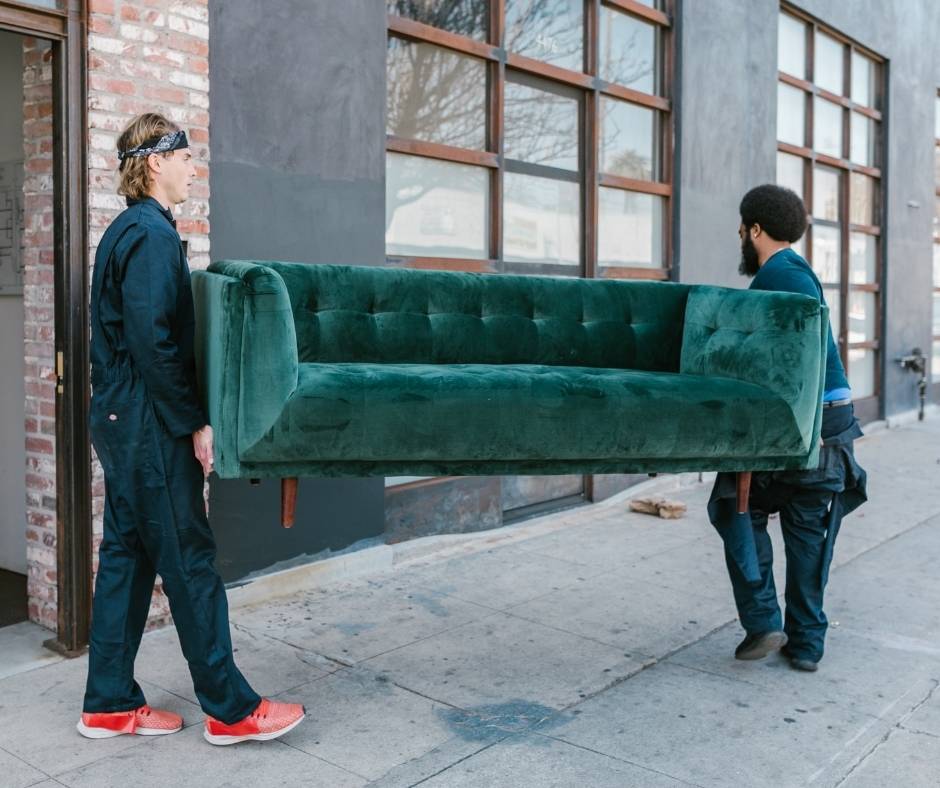
Furniture removal does not always have to end at the local landfill. Many items still contain usable materials. They often remain suitable for donation, recycling, or creative repurposing. Consequently, responsible disposal benefits both local communities and the environment.
Whenever appropriate, your furniture may qualify for:
- Donation: Gently used items support charitable organizations and families in need.
- Recycling: Wood, metal, and fabric enter appropriate recycling streams.
- Repurposing: This gives old furniture new life through restoration or creative reuse.
- Responsible Disposal: This ensures damaged furniture follows local city disposal guidelines.
Property owners increasingly seek sustainable solutions when replacing their furniture. Choosing responsible removal practices supports these crucial environmental goals. It also significantly reduces landfill waste.
Planning Ahead Simplifies Furniture Removal
Many people wait until moving day before thinking about unwanted furniture. Unfortunately, last-minute decisions often create massive amounts of additional stress.
Instead, planning your removal several days in advance allows for better coordination. Owners manage schedules, building access, and transportation more effectively. If you need assistance planning a move, check out these helpful signs that you need pre-move decluttering in NY.
Your preparation can include:
- Measuring doorways, hallways, and elevators before the removal begins.
- Identifying specific furniture pieces that require tools for disassembly.
- Confirm all building access requirements with your property manager.
- Separating various items for donation, recycling, or final disposal.
- Clearing walking paths to improve overall safety during the process.
These simple steps help projects proceed efficiently while reducing unexpected complications.
Common Furniture Removal Mistakes That Create Unnecessary Challenges
Furniture removal seems straightforward until unexpected obstacles suddenly appear. Therefore, many property owners encounter major delays that proper planning could easily prevent. Fortunately, recognizing these common mistakes makes the entire process much more manageable.
Some of the most frequent issues include:
- Waiting until moving day: Last-minute scheduling creates conflicts and unnecessary stress.
- Ignoring building requirements: Many buildings require advance notice or freight elevator reservations.
- Skipping measurements: Large furniture might not fit through hallways without partial disassembly.
- Keeping damaged furniture too long: Broken items occupy valuable space without serving a purpose.
- Overlooking disposal regulations: Certain neighborhoods follow specific guidelines for oversized items.
Avoiding these errors allows your projects to move efficiently. It also reduces unexpected delays.
Safety Should Always Remain a Priority
Large furniture often weighs far more than people realize. Although lifting appears simple, improper handling increases the risk of injuries. It can also cause severe property damage.
Heavy dressers, sectional sofas, and dining tables require careful coordination. Likewise, navigating narrow staircases presents additional challenges throughout New York City.
Property owners should consider several safety factors before moving items:
- Remove loose rugs and floor obstacles to create clear paths.
- Protect walls and door frames when transporting oversized furniture.
- Empty all drawers and shelves completely before lifting heavy items.
- Disassemble furniture whenever practical to reduce weight and improve maneuverability.
- Avoid lifting oversized pieces without adequate physical assistance.
Taking these simple precautions helps reduce accidents while protecting people and property.
Residential and Commercial Projects Require Different Approaches
Every furniture removal project presents highly unique priorities. Residential properties focus on improving living spaces or preparing for upcoming moves. Homeowners commonly remove old sofas, bedroom sets, and mattresses. For specific items, scheduling an organized closet organization in New York can also free up space.
Commercial furniture removal typically follows a different process. Businesses prioritize minimizing operational disruptions while maintaining tight timelines. Commercial projects include office workstations, cubicles, executive desks, and filing systems.
Because business operations continue during removal projects, scheduling becomes especially important. Professional coordination reduces downtime while supporting workplace productivity.
Furniture Removal Supports Better Organization
Removing unwanted furniture creates opportunities beyond extra floor space. Once unnecessary items are removed, owners discover new possibilities for each room. For instance, guest bedrooms become functional again. Home offices gain workspace, and basements become easier to organize.
To optimize your storage, consider professional home organization in New York strategies. For packed vehicles or workshops, scheduling a thorough garage cleanup in New York helps restore functionality.
Furthermore, removing oversized items makes future cleaning and maintenance much easier. Property owners also gain better visibility into their actual storage capacity. As a result, future organization projects become simpler to manage.
Sustainability Continues to Shape Furniture Disposal
Environmental awareness continues to grow across New York. Consequently, many homeowners and businesses seek alternatives to simply discarding items. Whenever possible, reusable furniture supports charitable organizations and community programs. Likewise, recyclable materials remain valuable even at the end of their useful life.
Responsible removal includes separating metal components and recovering wood materials. It also involves diverting furniture from landfills through strategic donations. Property owners must follow local disposal regulations for damaged items. Supporting these environmentally responsible practices helps reduce waste while promoting sustainable resource management.
How Clutter Free Service Can Help
Furniture removal often requires more planning than expected. Fortunately, professional assistance simplifies every single stage of the process.
At Clutter Free Service, we help homeowners, landlords, and businesses remove unwanted furniture safely. Whether you clear a single room or prepare a building for renovation, our team provides dependable solutions. We tailor our removal options to your exact needs.
We understand that every property presents unique challenges. Therefore, we develop custom removal plans that accommodate building access and scheduling requirements. Our team handles bulky furniture with extreme care. We work hard to minimize disruptions to your home or business.
We also support responsible disposal whenever possible. This helps reduce landfill waste through appropriate recycling and donation opportunities. Instead of struggling with heavy lifting or narrow staircases, you can rely on our experienced professionals. We complete the entire job efficiently.
Whether you need residential or commercial Furniture Removal in NYC, we help create functional spaces.
Create More Space for What Matters Most
Furniture serves an important purpose throughout its lifespan. However, every property eventually reaches a point where older pieces no longer meet current needs.
Removing unwanted items creates opportunities for renovation and better organization. It also improves safety and ensures more efficient use of space. Rather than allowing outdated pieces to occupy square footage, proactive planning keeps properties functional.
Routine Furniture Removal in NYC supports smoother property transitions and office upgrades. It also helps with apartment moves and long-term maintenance planning. Most importantly, partnering with professionals removes the stress of heavy lifting and transportation.
If you are ready to reclaim valuable space, we are here to help. Explore our latest blog articles to discover expert insights and organizational strategies. Learn how thoughtful planning creates safer properties across Manhattan, Brooklyn, the Bronx, and Queens.