A renovation project often feels complete once contractors pack up their tools and leave the property. Fresh paint brightens the walls, new flooring transforms the room, and updated fixtures give the space a completely different visual appeal. Nevertheless, one important part of the project still remains before the property is truly ready for everyday use.
Construction dust rarely stays where the work takes place.
Even if a renovation is limited to a single room, fine dust particles can travel far beyond the immediate work area. Air movement, foot traffic, ventilation systems, and everyday activity allow microscopic debris to settle throughout the property. Consequently, homeowners and business owners often discover dust inside nearby rooms, closets, furniture, cabinets, and air vents long after construction has ended.
This is one reason post construction cleanup in NYC involves much more than vacuuming the floor and wiping visible surfaces. Professional cleanup addresses the hidden effects of construction by removing fine dust, hauling away leftover debris, and carefully preparing the property for comfortable occupancy.
In this article, we explore how construction dust spreads, why it continues settling after contractors leave, and how professional cleanup restores a property beyond what ordinary housekeeping can accomplish.
Construction Dust Is Much Smaller Than It Looks
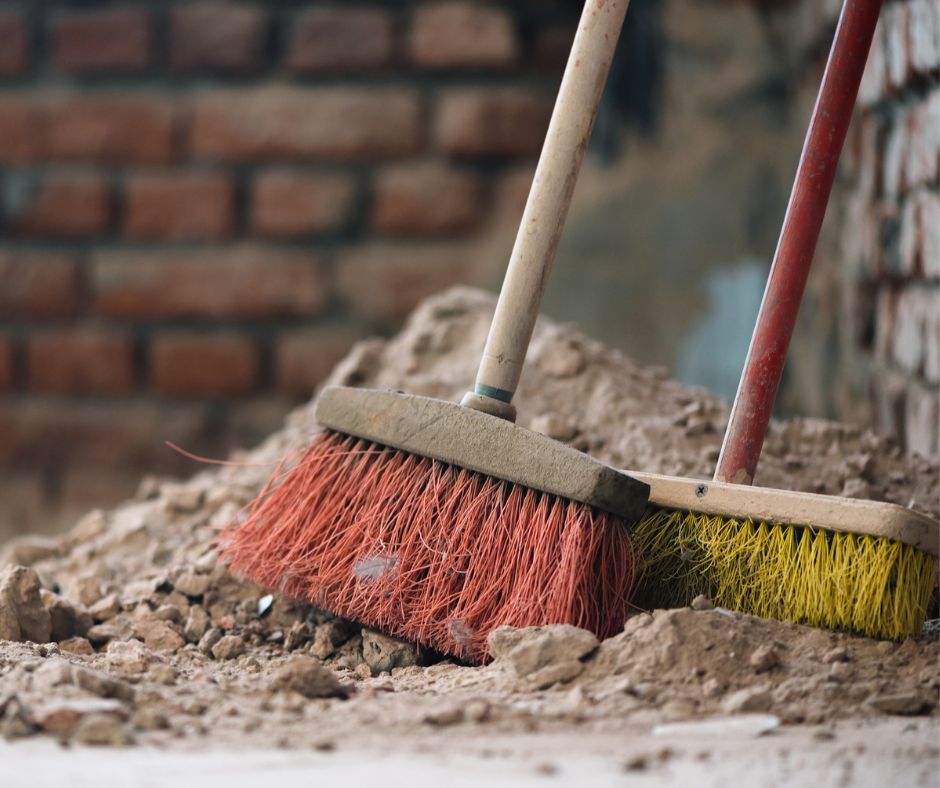
When people think about construction debris, they often imagine large piles of drywall scraps, lumber, broken tile, or discarded packaging. While these materials certainly require removal, they represent only part of the cleanup process.
The greater challenge often comes from microscopic dust particles generated throughout demolition, sanding, cutting, drilling, and finishing work.
These particles may include:
- Drywall Dust: Extremely fine plaster particles are created during drywall sanding and joint compound finishing.
- Sawdust: Microscopic wood particles are produced while cutting lumber, trim, decorative paneling, or custom cabinetry.
- Concrete Dust: Heavy mineral dust is generated during masonry demolition, tile removal, or subfloor surface preparation.
- Tile Residue: Fine ceramic or porcelain dust is released into the air when cutting or grinding flooring materials.
- Paint Residue: Lightweight surface dust is produced during light sanding between paint coats on walls or woodwork.
- Insulation Fibers: Tiny synthetic or glass particles are disturbed inside open wall cavities during major remodeling projects.
Because these materials are extremely lightweight, they remain suspended in the air much longer than larger debris. As a result, dust continues moving throughout the property even after construction activities have stopped.
Airflow Carries Dust Beyond the Renovation Area
Many homeowners assume closing the door to a construction zone keeps dust contained. Unfortunately, indoor airflow rarely works that way.
Every time someone opens a door, walks through the property, or operates a heating and cooling system, air naturally circulates between rooms. That movement carries fine construction dust into surrounding spaces.
For example, a kitchen remodel may eventually affect:
- Adjacent hallways and stairwells.
- Nearby bedrooms and home offices.
- Dining rooms and formal eating areas.
- Living rooms and common lounge spaces.
- Interior closets and storage areas.
- Laundry rooms and utility spaces.
- Central heating and cooling return vents.
Similarly, a bathroom renovation may spread fine dust into neighboring bedrooms through ordinary household airflow. Consequently, cleaning only the renovated room often leaves significant amounts of dust elsewhere inside the property.
Professional post construction cleanup in NYC considers how dust travels rather than focusing exclusively on where construction occurred.
HVAC Systems Can Continue Moving Dust After Construction Ends
Heating and cooling systems often contribute to the continued movement of construction dust. As air circulates through return vents and ductwork, fine particles may travel well beyond the original work area.
Although basic HVAC filters capture some airborne debris, extremely fine particles may continue circulating until thorough cleaning removes them from surrounding surfaces. For this reason, property owners sometimes notice dust appearing again shortly after cleaning.
They wipe shelves, yet dust returns. They vacuum floors, yet more dust settles overnight. The problem is not necessarily poor cleaning techniques. Instead, airborne particles continue leaving hidden areas before eventually settling onto clean surfaces.
Understanding this process helps explain why post construction cleanup in NYC frequently occurs after construction has completely finished rather than during active remodeling.
Dust Continues Settling for Days
One of the most surprising aspects of construction cleanup is that dust does not settle all at once. Larger particles fall quickly because of their weight, while smaller particles remain suspended much longer.
Consequently, newly cleaned rooms sometimes develop another thin layer of dust within a day or two. This gradual settling occurs because microscopic particles remain airborne while everyday movement continues disturbing the indoor environment.
Walking across the floor, opening doors, operating ceiling fans, or turning on the air conditioner can trigger this cycle. Each activity introduces additional airflow that allows remaining particles to circulate again before finally settling elsewhere.
Professional cleanup accounts for this behavior by following systematic cleaning procedures that remove dust from both elevated and lower surfaces.
Cleaning Must Move From Top to Bottom
Ordinary household cleaning often begins wherever visible dirt appears. Post-construction cleaning requires a much more structured approach.
Because dust naturally falls downward, professionals typically begin with higher surfaces before working toward the floor. This method helps prevent cleaned areas from becoming contaminated again during the process.
Examples of upper surfaces include:
- Overhead ceiling fans and high light fixtures.
- Decorative crown molding and door trim.
- Air supply vents and return grilles.
- Window frames, sills, and blinds.
- High shelving and tall cabinet tops.
- Upper cabinet doors and wall surfaces.
Once these areas are cleaned, attention shifts toward countertops, furniture, trim, appliances, flooring, and baseboards. Finally, detailed floor cleaning removes the dust that settles throughout the process.
This organized sequence produces more thorough results than randomly cleaning individual areas.
Different Surfaces Collect Dust Differently
Not every material responds to construction dust in the same way. Smooth surfaces generally allow dust to remain visible and relatively easy to remove. However, textured or porous materials often trap fine particles much more easily.
For example:
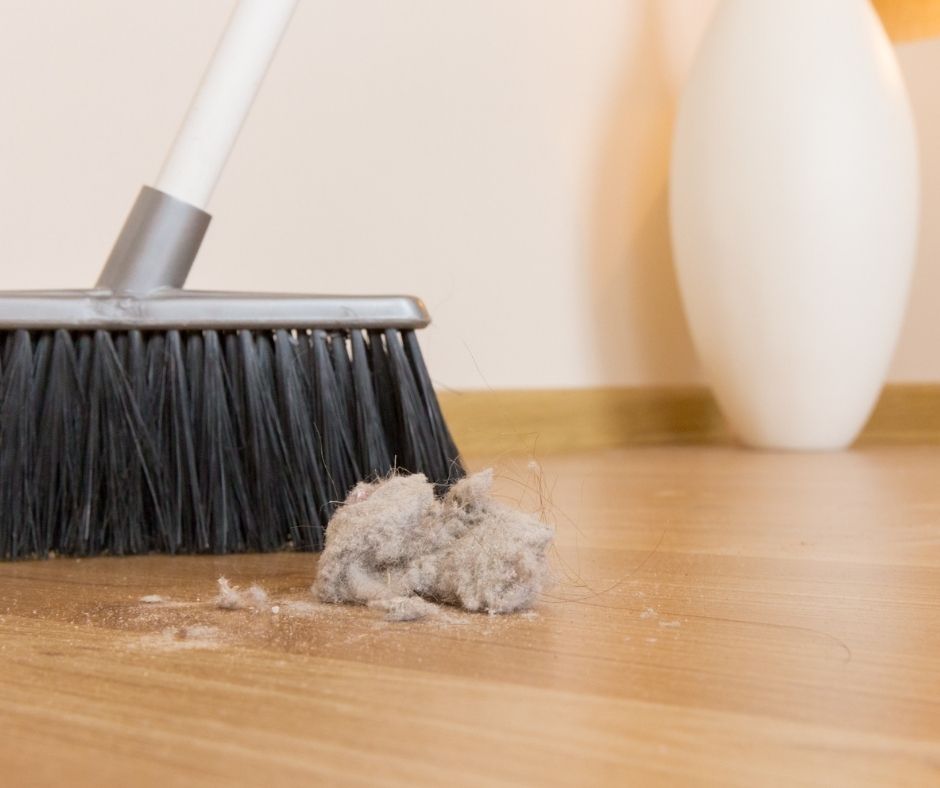
- Hardwood Floors: Fine dust frequently gathers inside tiny seams between floorboards where standard sweeping alone may not remove every particle.
- Carpeted Areas: Deep carpet fibers capture extremely fine dust beneath the visible surface, often requiring specialized equipment designed to remove deeply embedded debris.
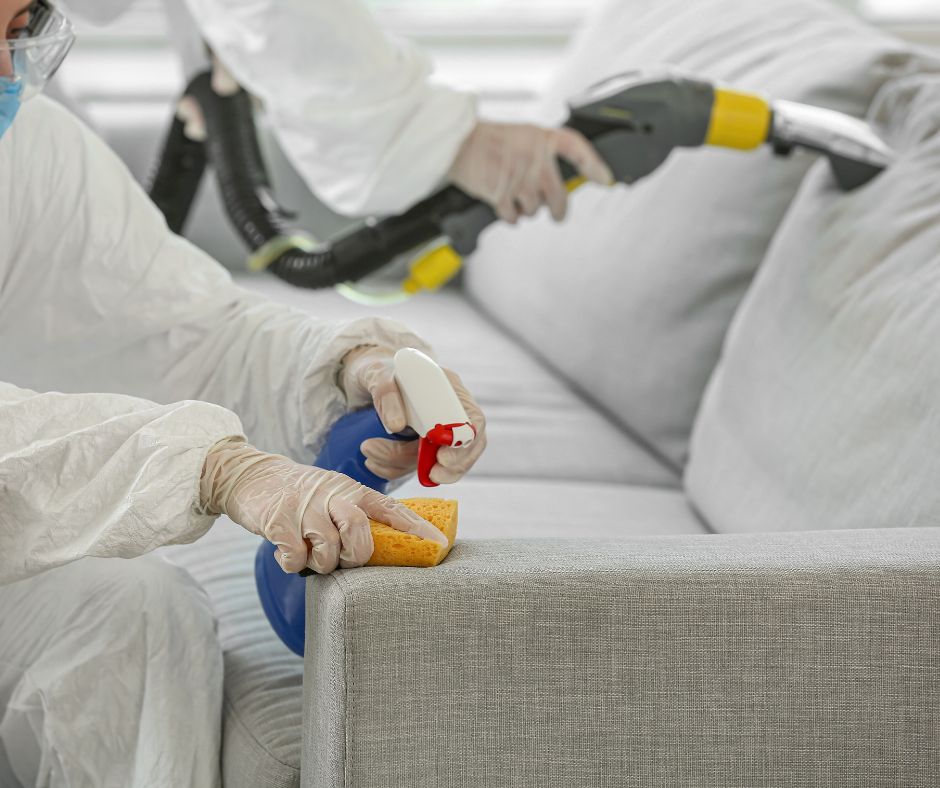
- Upholstered Furniture: Fabric surfaces naturally collect airborne particles that settle into cushions, seams, and textured materials during construction.
- Window Treatments: Curtains, fabric blinds, and shades continuously collect dust circulating through indoor air and require careful attention.
- Storage Cabinets: Even closed cabinets sometimes contain dust because microscopic particles enter through small openings around doors and drawers.
Understanding these differences helps explain why professional cleanup adapts techniques according to the specific materials throughout the property.
Construction Debris Requires More Than Dust Removal
Fine dust is only one part of the cleanup process. Renovation projects frequently leave behind larger materials that require organized removal before the property becomes fully functional.
These materials may include:
- Broken drywall scraps and plaster pieces.
- Scrap lumber and cut trim remnants.
- Large cardboard packaging and shipping boxes.
- Plastic protective coverings and tarps.
- Empty paint containers and joint compound buckets.
- Unused flooring remnants and carpet scraps.
- Broken tile pieces and grout bags.
- Hardware packaging, nails, and loose screws.
Although these materials appear less complicated than airborne dust, they still require careful collection and responsible disposal. Removing construction debris also improves safety by reducing trip hazards before homeowners, employees, or tenants begin using the newly renovated space.
Final Detailing Makes the Difference
Once heavy debris has been removed and dust has been addressed, the property enters its final stage of preparation. This detailed cleaning helps transform the space from an active construction site into a comfortable environment ready for occupancy.
Final detailing often includes carefully cleaning:
- Interior window glass and surrounding frames.
- Glass doors, shower enclosures, and mirrors.
- Kitchen countertops and bathroom vanity surfaces.
- Cabinet interiors, drawers, and shelving units.
- Plumbing fixtures, faucets, and light switches.
- Architectural trim, baseboards, and door casings.
- Exterior surfaces of newly installed appliances.
These finishing touches allow the craftsmanship of the renovation to become the primary focus instead of remaining signs of construction. Rather than simply looking newly renovated, the property begins feeling ready for everyday life.
The Final Stage Is About Making the Space Truly Ready
Many people assume the renovation officially ends when contractors complete their work. In reality, the transition from construction site to livable space happens during the cleanup process. Without that final stage, even the most beautiful renovation may still feel unfinished because dust, debris, and residue continue affecting the property.
Professional post construction cleanup in NYC bridges that gap by transforming a work zone into a clean, comfortable environment. Rather than focusing only on appearance, the cleanup prepares every room for everyday use while helping protect newly installed finishes from unnecessary wear caused by leftover construction materials.
This attention to detail allows homeowners, business owners, tenants, and employees to enjoy the completed renovation without being distracted by the remnants of the construction process.
Why Timing Matters After Construction Ends
Many property owners are eager to move furniture back into place or reopen their business immediately after construction is complete. While that excitement is understandable, rushing the process can create additional cleaning challenges later.
Allowing professional cleanup to take place before the space becomes occupied offers several advantages.
For example:
- Furniture Stays Cleaner: Moving furniture into a dusty environment often transfers fine particles onto upholstery, wood finishes, and decorative surfaces. Cleaning the property first helps protect those items from unnecessary exposure.
- Newly Installed Finishes Receive Proper Care: Fresh flooring, countertops, cabinets, appliances, and fixtures deserve careful cleaning before regular use begins. Removing construction residue early helps showcase the quality of the completed work while protecting new materials.
- Air Quality Improves Before Occupancy: Dust that remains suspended in the air eventually settles onto surfaces or continues circulating through the building. Professional cleanup helps reduce airborne particles before people begin using the space regularly.
- Contractors Can Complete Final Walkthroughs More Easily: A thoroughly cleaned property allows contractors, homeowners, or property managers to inspect finished work without construction debris obscuring the final results.
By scheduling post construction cleanup in NYC before normal occupancy resumes, property owners create a smoother transition from renovation to everyday life.
Every Renovation Creates Different Cleanup Needs
No two construction projects generate the same type or amount of debris. A bathroom remodel creates different cleaning challenges than a complete office renovation. Likewise, a commercial tenant improvement project produces different residue than a residential kitchen renovation.
Several factors influence the cleanup process, including:
- Type of Construction Work: Demolition, drywall installation, painting, flooring replacement, electrical work, plumbing upgrades, and finish carpentry each generate different forms of debris that require specific cleaning techniques.
- Size of the Project: A single-room renovation naturally affects fewer surfaces than a whole-home remodel or commercial buildout. Larger projects often require more extensive dust removal and debris hauling.
- Property Layout: Open floor plans allow dust to travel differently than compartmentalized spaces with multiple enclosed rooms. Likewise, multi-story buildings introduce additional airflow patterns that influence where dust settles.
- Building Occupancy: Properties that remain partially occupied during construction often require more careful cleanup planning to minimize disruption while addressing affected areas thoroughly.
Understanding these variables helps explain why professional cleanup follows a customized approach rather than relying on a one-size-fits-all checklist.
Why Professional Equipment Makes a Difference
Construction dust behaves differently than everyday household dust. Because the particles are much finer, they often require specialized cleaning methods to remove them effectively.
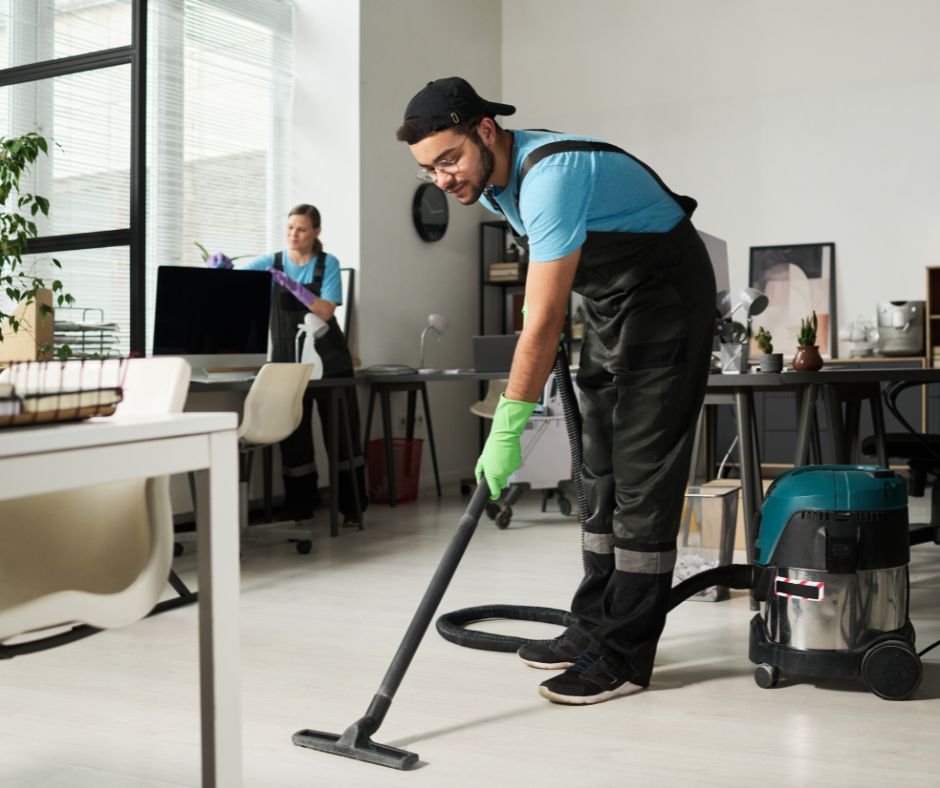
Professional cleanup crews use equipment designed to capture and remove fine debris without simply redistributing it throughout the property. In addition, they understand which cleaning methods work best for delicate finishes, newly installed flooring, painted surfaces, glass, and other materials commonly found after renovations.
Using the right equipment also helps reduce the risk of scratching surfaces, damaging finishes, or leaving behind residue that becomes noticeable once natural light enters the room.
Instead of relying on ordinary household cleaning tools alone, professional post construction cleanup in NYC combines experience, systematic cleaning procedures, and commercial-grade equipment to produce more consistent results.
How Clutter Free Service Can Help
At Clutter Free Service, we understand that the final stage of a renovation deserves just as much attention as the construction itself. A newly remodeled property should feel clean, comfortable, and ready for everyday use, not like an active worksite filled with lingering dust and debris.
Our post construction cleanup in NYC services are designed to help homeowners, contractors, property managers, and business owners prepare renovated spaces for occupancy with confidence. We carefully remove construction dust from high and low surfaces, haul away remaining debris, clean detailed architectural finishes, and perform the final polishing that allows the craftsmanship of the renovation to stand out.
Whether your project involves a residential remodel, commercial renovation, office buildout, retail space, apartment turnover, or newly completed construction, our experienced team tailors the cleanup process to the specific needs of the property. We work methodically to address fine dust, leftover materials, and detailed finishing touches while treating every newly installed surface with care.
Beyond post-construction cleaning, Clutter Free Service also provides professional sanitization, disinfection, odor removal, biohazard cleanup, junk removal, decluttering, and specialty cleaning services throughout New York. Our comprehensive solutions help properties transition from construction sites into clean, welcoming spaces that are ready to be enjoyed.
A Renovation Is Only Complete When the Space Is Ready to Live In
Construction transforms a property, but cleanup reveals the full impact of that transformation. Without addressing the fine dust, debris, and residue left behind, even exceptional craftsmanship can remain hidden beneath the final layer of the project.
Understanding how construction dust behaves helps explain why ordinary housekeeping often falls short after renovations. Fine particles continue moving through the air, settling onto surfaces, collecting inside vents, and reaching rooms far beyond the original work area. Consequently, a thoughtful cleanup strategy becomes just as important as the renovation itself.
Professional post construction cleanup in NYC focuses on restoring the property’s comfort, cleanliness, and functionality by addressing both visible debris and the microscopic dust that lingers after construction ends. From heavy material removal to detailed surface polishing, every step contributes to creating a space that feels finished instead of simply completed.
Ultimately, successful post-construction cleanup is not measured only by spotless floors or polished windows. It is measured by the confidence that homeowners, employees, tenants, and visitors feel when they enter a space that is truly ready for its next chapter. After all, the final impression of any renovation begins long after the last tool is packed away.