Managing biological contamination requires specialized knowledge, strict adherence to safety protocols, and proper containment procedures. Whether operating a medical clinic, managing a commercial property, or cleaning a residential estate, understanding hazardous materials is essential. Identifying different types of Biohazard Waste allows property owners and facility managers to handle dangerous biological items correctly and safely.
Biological hazards present severe risks to human health when individuals expose themselves to infectious materials without adequate protection. Furthermore, federal and state environmental agencies enforce strict disposal rules to prevent community contamination and environmental damage. Consequently, this comprehensive guide explores primary biological hazard categories, color-coded containment standards, regulatory compliance protocols, and professional remediation services.
Understanding Solid Biohazard Waste and Contaminated Materials
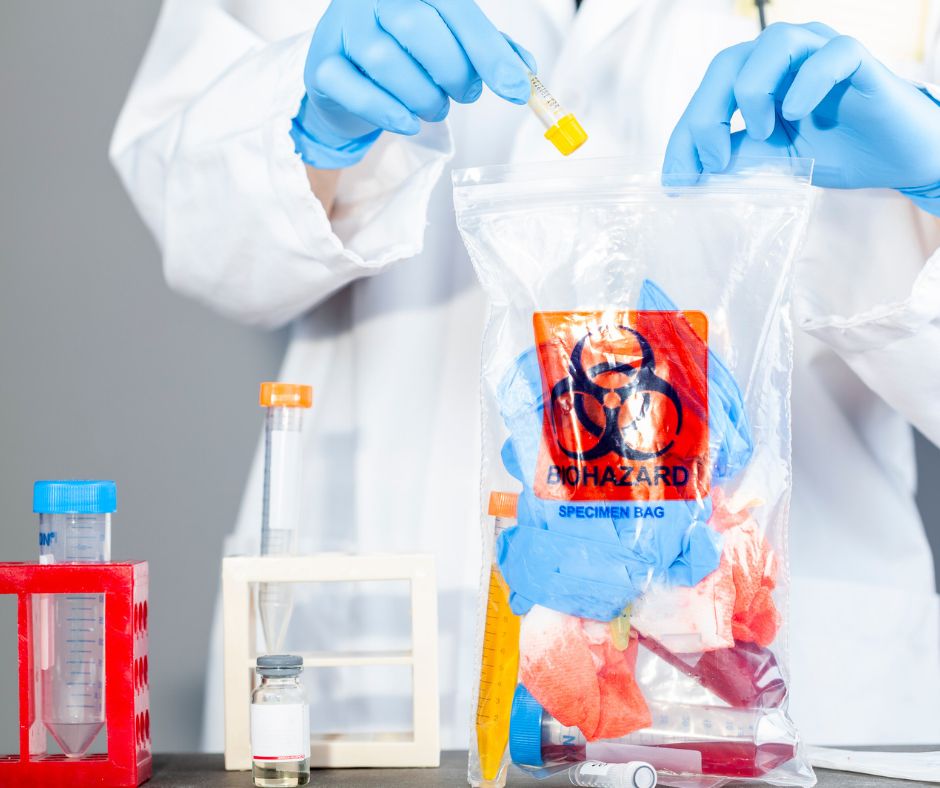
Solid biological waste represents one of the most frequently encountered hazards across medical clinics and residential clearouts. This category includes non-sharp items saturated with human blood, bodily fluids, or other potential infectious materials. As a result, discarding these materials in standard municipal trash cans creates severe exposure risks for sanitation workers and the public.
Properly identifying solid types of Biohazard Waste ensures that workers isolate contaminated items from regular trash streams immediately. Items like blood-soaked bandages, disposable gloves, surgical drapes, and contaminated laboratory plastic fall under this specific classification. Furthermore, handling these materials requires personal protective equipment and immediate containment inside approved biohazard bags.
- Isolating Blood-Soaked Dressings and Bandages: Used gauze, bandages, and surgical dressings containing liquid or dried blood present persistent infectious risks. Storing these items inside flexible, leak-proof red biohazard bags prevents viral pathogens from escaping into surrounding environments.
- Containing Contaminated Personal Protective Equipment: Disposable gloves, gowns, face masks, and shoe covers used during medical procedures absorb biological fluids. Discarding personal protective gear in marked biohazard receptacles eliminates cross-contamination risks across clean workspace zones.
- Managing Disposable Laboratory Plastics: Plastic pipettes, petri dishes, culture tubes, and specimen containers holding biological samples require careful disposal. Encapsulating these solid laboratory items in heavy-duty containment bags prevents accidental spills during transport to incineration facilities.
- Handling Contaminated Residential Items: Saturated mattresses, sofa cushions, carpets, and clothing from trauma scenes contain high pathogen concentrations. Removing these heavy solid items requires professional biohazard crews equipped with thick containment lining and specialized transport vehicles.
Isolating solid biohazardous items at the source prevents dangerous pathogens from spreading throughout surrounding property environments. Once technicians secure these materials in approved containers, the overall exposure risk drops significantly for facility occupants.
Navigating Sharps Waste Hazards and Containment Standards
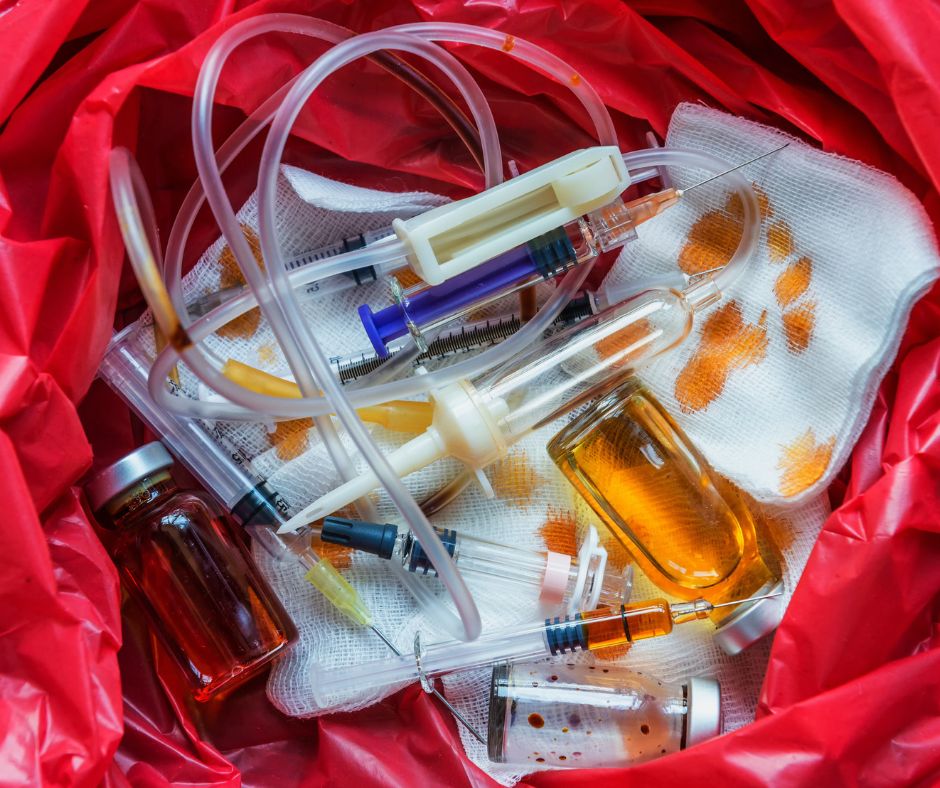
Sharps waste presents a dual threat because these items combine severe biological hazards with sharp physical cutting edges. Any object capable of puncturing or cutting human skin while contaminated with biological fluids falls into this critical category. Therefore, discarding sharps directly into flexible plastic trash bags creates severe needle-stick dangers for cleanup personnel.
Understanding how sharps fit into general types of Biohazard Waste protects individuals from accidental puncture wounds and bloodborne infections. Common examples include hypodermic needles, intravenous syringes, scalpel blades, lancets, and broken contaminated glass slides. Consequently, regulatory health agencies require immediate disposal of all sharp objects into rigid, puncture-resistant containers.
- Utilizing Rigid Puncture-Resistant Containers: Sharps boxes feature heavy-duty, high-density plastic walls that prevent needles and blades from piercing through the exterior. Placing used needles directly into these containers eliminates accidental needle-stick injuries during transport and final disposal.
- Securing Auto-Locking Container Lids: Approved sharps containers feature specialized one-way drop slots and tamper-proof locking lids. Securing these lids when containers reach three-quarters full prevents items from spilling out if containers accidentally tip over.
- Managing Contaminated Broken Glassware: Broken laboratory slides, blood vials, and glass capillary tubes cut skin easily while transferring viral pathogens. Depositing broken contaminated glass into rigid sharps containers protects technicians from suffering deep infected lacerations.
- Handling Disposable Syringes and Lancets: Diabetic testing lancets, allergy syringes, and IV needles require immediate isolation after single medical uses. Dropping these small items into designated wall-mounted sharps boxes keeps medical treatment rooms safe for patients.
Properly isolating sharp objects prevents painful needle-stick injuries while blocking the transmission of dangerous bloodborne pathogens. Receptacles must be placed close to work areas so users discard items immediately after use.
Liquid Biohazard Waste Hazards and Gelation Protocols
Liquid biological waste poses unique containment challenges due to its fluid nature and high potential for splashing. Bulk human blood, liquid blood products, body fluids, and liquid culture media belong to this hazardous waste classification. Consequently, a single spill during transport can spread infectious agents across extensive floor surfaces within seconds.
Managing liquid types of Biohazard Waste requires specialized solidification procedures before transport crews move containers offsite. Technicians utilize chemical solidifying powders that convert dangerous liquid fluids into stable, leak-proof gel masses within minutes. Furthermore, encapsulating liquid waste inside solid gel matrices minimizes splashing risks and simplifies final high-temperature incineration.
- Solidifying Bulk Human Blood Products: Pouring specialized polymer powders into liquid blood containers transforms liquid fluids into thick, immobile gels. Solidifying bulk liquids prevents catastrophic leaks and splashes while workers transport containers to disposal facilities.
- Managing Suction Canister Contents: Surgical operations and emergency medical procedures generate large volumes of liquid fluids inside suction canisters. Adding chemical solidifying agents directly into canisters seals fluids safely before technicians seal the access caps.
- Containing Microbiological Liquid Cultures: Research laboratories generate liquid growth media containing high concentrations of live viral or bacterial cultures. Autoclaving liquid cultures or treating them with approved chemical disinfectants neutralizes live pathogens before final disposal.
- Handling Body Fluid Spills in Facilities: Accidental liquid spills on commercial carpets or hardwood floors require immediate application of absorbent neutralizing powders. Sweeping up gelled spill residues prevents liquids from seeping deep into structural subfloors and floorboard gaps.
Solidifying liquid biological materials turns dangerous fluid hazards into manageable, stable solid waste units for safe transport. Taking these precautions protects cleanup workers while ensuring compliance with state environmental transportation mandates.
Pathological and Microbiological Waste Classifications
Pathological and microbiological materials represent highly sensitive biological hazards generated primarily in healthcare and research environments. Pathological waste includes human tissues, organs, anatomical body parts, and surgical biopsy specimens. Meanwhile, microbiological waste consists of concentrated viral stocks, bacterial cultures, live vaccines, and infectious culture dishes from research laboratories.
These specialized types of Biohazard Waste harbor high concentrations of active infectious agents that require total thermal destruction. Standard landfill disposal or chemical disinfection alone cannot guarantee complete neutralization of these dense biological tissues. Therefore, state health regulations mandate high-temperature incineration at licensed medical waste facilities for all pathological items.
- Containing Human Tissue and Biopsy Samples: Surgical tissue samples and anatomical specimens require immediate placement inside leak-proof, color-coded pathological containers. Refrigerating or freezing tissue specimens prevents rapid biological decomposition while awaiting transport to incineration sites.
- Isolating Microbiological Laboratory Cultures: Concentrated bacterial cultures and viral stocks present extreme infection risks if released into ambient air. Autoclaving cultures under high steam pressure neutralizes active organisms before items enter the waste stream.
- Managing Animal Tissues and Research Carcasses: Veterinary clinics and medical research facilities generate animal carcasses exposed to infectious human pathogens. Incinerating animal research tissues prevents experimental pathogens from jumping into wild animal populations or local ecosystems.
- Handling Contaminated Culture Plates and Tools: Plastic culture dishes, inoculation loops, and swab applicators hold dense colonies of dangerous microorganisms. Sealing these tools inside heavy-duty red biohazard bags prepares them for safe steam sterilization and incineration.
Incinerating pathological and microbiological waste ensures complete molecular destruction of dangerous viral and bacterial organisms. Following these strict protocols protects public health while ensuring medical research facilities remain fully compliant with federal law.
Understanding Color-Coded Containment and Labeling Standards
Navigating biological waste management requires strict adherence to universal color-coding and labeling systems established by health organizations. Receptacles must display prominent biohazard symbols along with bright, standardized warning colors like fluorescent orange or vivid red. As a result, facility staff, cleanup crews, and municipal workers instantly recognize infectious hazards from a safe distance.
Proper color selection clarifies disposal protocols for different types of Biohazard Waste within healthcare and commercial settings. For example, flexible red bags hold general solid biohazards, while yellow containers often store chemotherapy or trace pharmaceutical waste. Furthermore, attaching detailed tracking labels to every outer box ensures full accountability from initial pickup to final disposal.
- Utilizing Standardized Red Biohazard Bags: Bright red bags constructed from puncture-resistant polypropylene hold non-sharp solid items saturated with blood. Displaying the universal biohazard symbol alerts workers to handle the bag using full personal protective gear.
- Deploying Yellow Trace Chemotherapy Containers: Yellow rigid boxes and bags isolate waste contaminated with cytotoxic drugs and specialized chemotherapy agents. Separating chemical medical waste from biological items ensures that facilities apply correct incineration parameters.
- Applying Universal Biohazard Symbol Labels: Every outer cardboard box, plastic tub, and storage cabinet holding biological hazards must display the three-circle biohazard icon. Clear labeling prevents accidental opening by untrained janitorial staff or facility visitors.
- Maintaining Detailed Manifest Tracking Documents: Transporting hazardous biological materials requires official chain-of-custody tracking manifests signed by certified haulers. Tracking manifests document exact waste weights, transport dates, and final incineration facility destinations for auditing purposes.
Following standardized color-coding and labeling rules prevents dangerous waste mix-ups while streamlining handling procedures for transport crews. Clear visual markers protect everyone who interacts with waste management pipelines.
Partner Up with Clutter Free Service for Exceptional Recovery
Handling severe biological contamination requires specialized equipment, certified training, and compassionate professional service. When you choose to partner with Clutter Free Service, you receive expert remediation assistance tailored directly to your specific property needs.
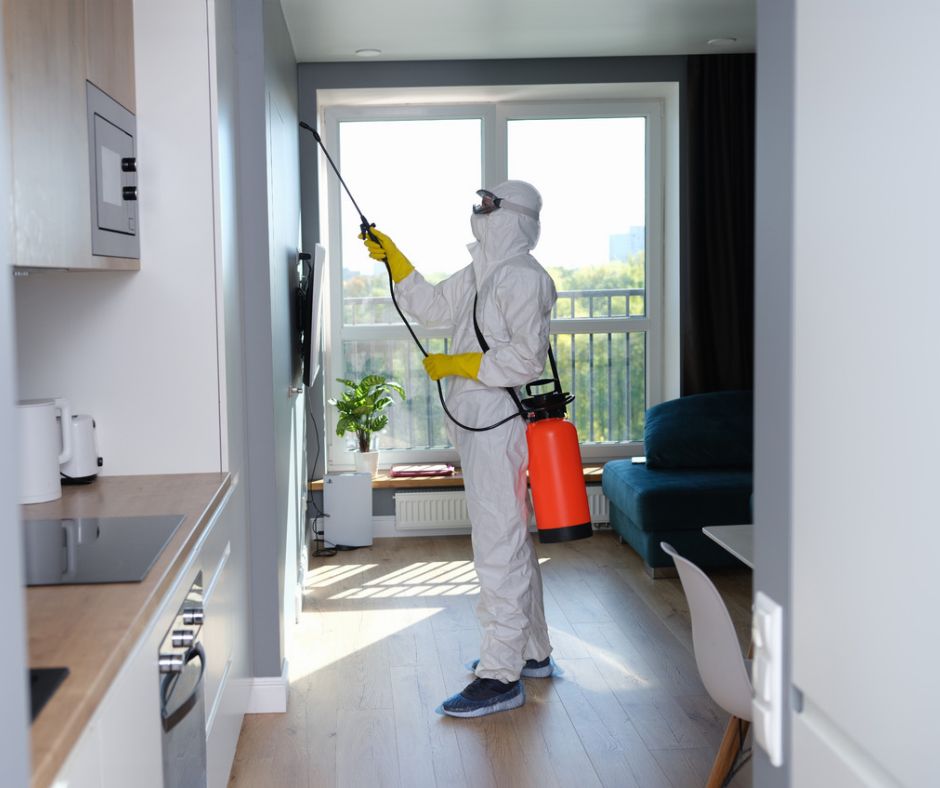
Our experienced teams specialize in biohazard cleanup, hoarding remediation, trauma site clearing, and heavy property clearouts across New York. We understand how sensitive and overwhelming biological clearouts feel, which is why we execute every project phase with speed, safety, and utmost discretion.
Beyond specialized biohazard removal, Clutter Free Service offers comprehensive environmental cleaning, basement clearouts, and expert wood floor sanding, refinishing, and repainting. If liquid contamination ruins your interior hardwood floors, our skilled craftsmen restore surfaces seamlessly, preparing your home for complete renewal and immediate re-occupancy.
Reclaim Your Property and Ensure Safety with Complete Confidence
Understanding biological hazards and enforcing strict disposal standards is essential for maintaining safe, healthy environments across all properties. By categorizing hazardous materials, utilizing rigid containers, solidifying liquids, and partnering with certified remediation specialists, you protect public health effectively.
When you need dependable assistance with biohazard remediation, heavy property clearing, or expert floor refinishing, Clutter Free Service stands ready to help. Reach out to our dedicated team today to request a comprehensive project evaluation and restore your space with complete peace of mind.