Walk into two different commercial buildings on the same day, and they may appear equally clean. One could be a corporate office with a few dozen employees, while the other is a busy medical clinic serving hundreds of patients. Although both environments look spotless, they rarely require the same cleaning routine. Each building experiences different levels of foot traffic, unique daily activities, and varying sanitation needs that influence how often cleaning should take place.
Many business owners assume that commercial cleaning follows a standard schedule. They may believe every office should receive the same nightly service or that deep cleaning once a month is enough for every property. However, commercial spaces function differently depending on the industry, building layout, occupancy, and how employees and visitors use the facility each day.
This is why a professional commercial cleaning company in NY develops customized cleaning schedules instead of relying on a one-size-fits-all approach. Rather than cleaning every property the same way, experienced professionals evaluate how the building operates and design routines that support cleanliness, efficiency, and a professional appearance.
In this article, we explore why every commercial building requires its own cleaning schedule, what factors influence cleaning frequency, and how customized maintenance plans help businesses maintain cleaner and healthier work environments.
A Building’s Daily Activity Shapes Its Cleaning Needs
Every commercial property develops its own rhythm throughout the day. Some offices remain relatively quiet, with employees working at individual desks for most of the day. Others welcome customers every few minutes, creating constant movement through entrances, waiting areas, conference rooms, and shared workspaces.
As daily activity changes, cleaning priorities also change dramatically. For example, a law office may primarily require attention to conference rooms, reception areas, and employee break rooms. Meanwhile, a fitness center experiences continuous use of equipment, locker rooms, and high-touch surfaces that demand much more frequent cleaning.
Rather than applying identical routines to every property, a commercial cleaning company in NY evaluates how people interact with the building before determining the most appropriate cleaning schedule. Consequently, tailored scheduling ensures high-priority areas receive extra care without wasting time on less frequented zones.
Employee Count Influences Cleaning Frequency
The number of people working inside a building has a direct impact on how quickly the environment changes throughout the day. A small office with ten employees naturally creates less daily wear than a corporate headquarters with several hundred staff members. More employees mean more footsteps, more shared workspaces, more restroom use, and greater demand on common areas.
As occupancy increases, cleaning schedules often require additional flexibility to keep these areas consistently presentable. Specifically, larger workforces generate increased activity across several common zones:
- Employee Kitchens and Break Rooms: Refrigerators, microwaves, coffee stations, and countertops receive continuous use throughout the workday, creating frequent spills and food debris that require prompt removal.
- High-Occupancy Restrooms: Restrooms require more frequent attention because higher occupancy levels rapidly exhaust paper products, soap supplies, and sanitary surface conditions.
- Busy Conference Rooms: Shared meeting spaces host multiple gatherings involving different teams throughout the day, necessitating quick turnarounds to maintain a professional appearance.
- Shared Office Equipment: High-touch items like printers, copiers, and supply room door handles are accessed continuously, accumulating microbes and surface smudges rapidly.
- Central Reception Spaces: Front lobbies experience constant foot traffic from employees, clients, and delivery personnel, bringing in outside dirt continuously.
By adjusting cleaning routines around staff size, businesses can maintain pristine workspaces regardless of how many people work on-site.
Foot Traffic Changes Everything
Not every building with heavy foot traffic experiences the same cleaning needs. Consider two businesses with an identical number of daily visitors. A financial consulting office may welcome clients who remain seated during appointments, whereas a retail store encourages customers to browse throughout the entire property while interacting with displays, merchandise, fitting rooms, and checkout counters.
Although both businesses serve similar numbers of people, the movement inside each building creates very different cleaning demands. Consequently, understanding these unique traffic patterns helps determine how often different parts of the building should receive professional attention.
Higher foot traffic often affects specific areas that require distinct care:
- Entryways and Foyers: Outdoor dirt, mud, and moisture accumulate rapidly near entrance doors, creating potential slipping hazards if left uncleaned.
- High-Traffic Flooring: Hardwood, carpet, and tile surfaces experience continuous wear, requiring strategic vacuuming, mopping, and buffing routines.
- Entrance Glass and Doors: Glass panels collect fingerprints and smudges continuously, demanding frequent polishing to preserve a clear view.
- Waiting Room Seating: Upholstered or hard-surface seating accumulates dirt quickly when occupied by back-to-back visitors throughout the operational day.
- Customer Service Counters: Payment stations and service desks receive constant physical contact, making daily sanitation essential for customer health.
By focusing efforts where foot traffic is heaviest, facilities stay cleaner for longer periods between major service appointments.
Industry Type Determines Cleaning Priorities
One reason standardized cleaning schedules rarely succeed is that every industry operates differently. Each business environment presents its own combination of customer interaction, employee activity, equipment usage, and sanitation requirements.
Corporate Offices
Corporate environments typically emphasize clean workstations, organized conference rooms, welcoming reception areas, and well-maintained employee common spaces. Cleaning schedules often focus on preserving a professional appearance while supporting a productive workplace for staff members.
Medical Offices
Healthcare facilities experience continuous patient turnover throughout the day. Waiting rooms, examination areas, reception counters, and restrooms require careful attention because of the high volume of visitors using shared spaces, making strict infection control protocols mandatory.
Retail Stores
Retail businesses balance customer experience with operational efficiency. Floors, fitting rooms, display areas, checkout counters, and entrances require regular maintenance to support a clean shopping environment that encourages patrons to browse comfortably.
Educational Facilities
Schools, childcare centers, and training facilities involve frequent movement between classrooms, cafeterias, hallways, and recreational areas. Cleaning routines often reflect both high occupancy and the variety of messy activities taking place throughout the building.
Industrial and Warehouse Facilities
Warehouses experience different cleaning challenges than traditional offices. Dust accumulation, loading docks, heavy equipment operation, and sprawling storage areas all influence how specialized maintenance schedules are developed.
These operational differences explain why an experienced commercial cleaning company in NY avoids applying identical service plans across every commercial property.
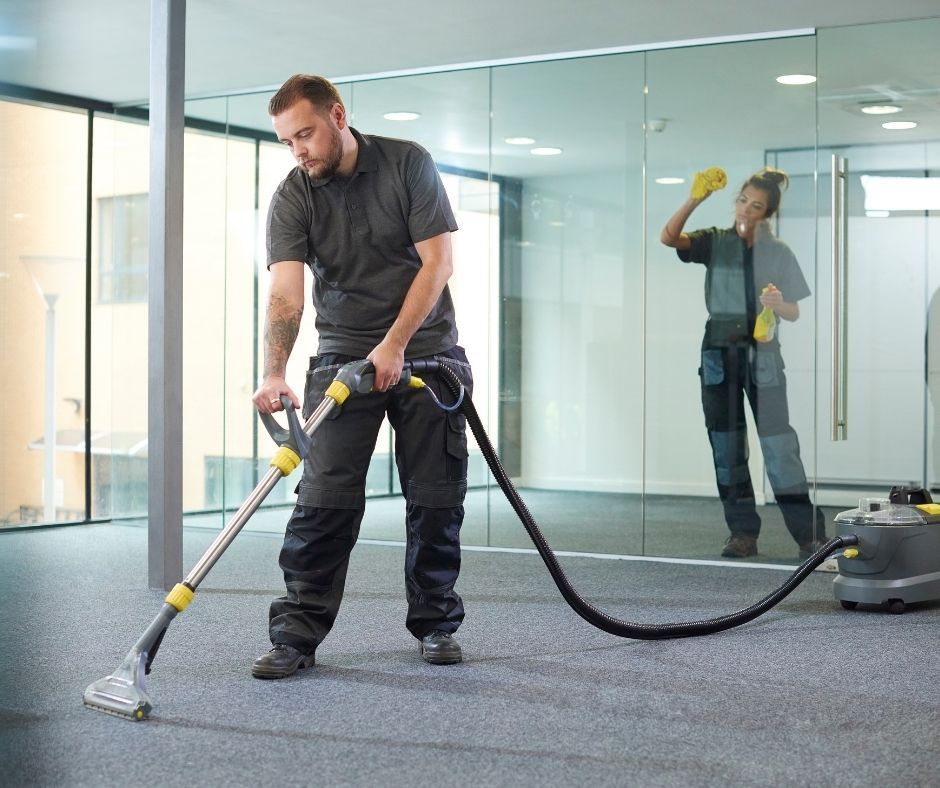
Daily Cleaning and Deep Cleaning Work Together
Many business owners think of cleaning as a single service. In reality, commercial maintenance often combines routine daily cleaning with scheduled deep cleaning to keep facilities in excellent condition over time.
Daily cleaning focuses on maintaining the property’s immediate appearance while addressing areas that experience constant use. Typical daily tasks may include:
- Emptying Trash Receptacles: Removing waste before bins overflow prevents unpleasant odors and maintains a neat appearance throughout offices.
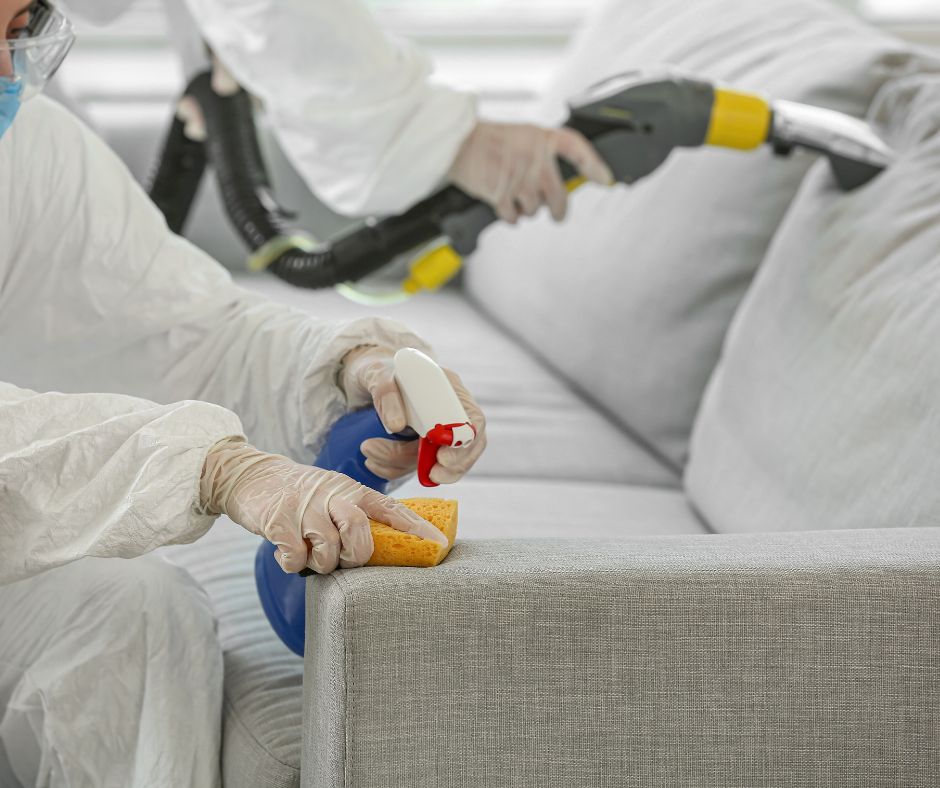
- Disinfecting High-Touch Surfaces: Sanitizing door handles, light switches, elevator buttons, and shared desks helps maintain a healthier workplace.
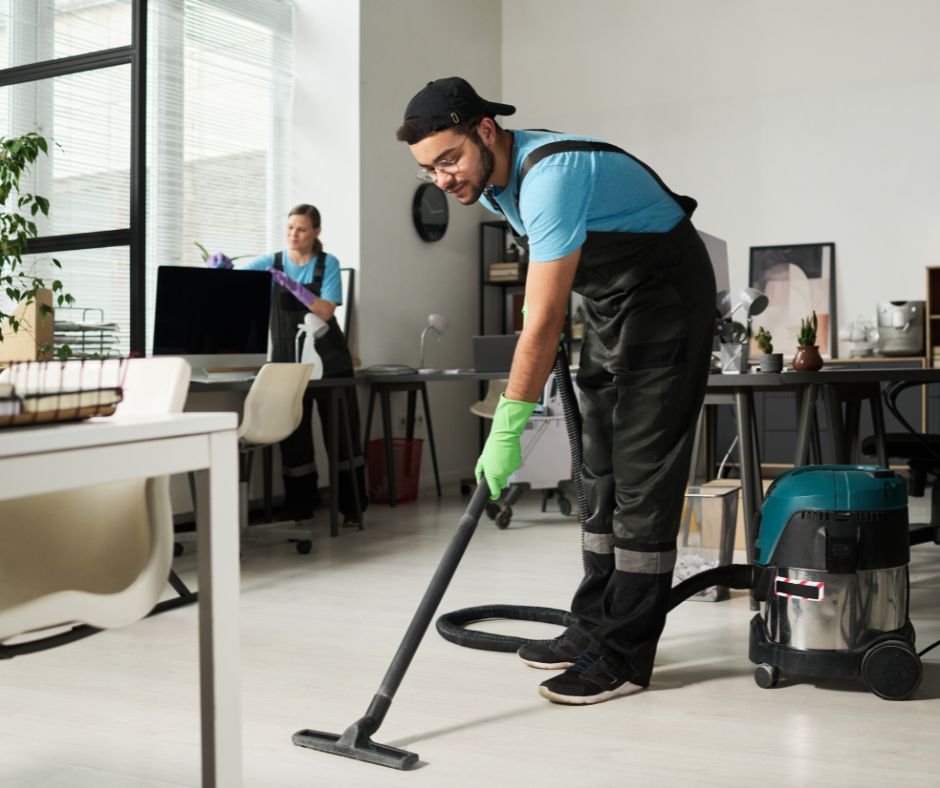
- Floor Maintenance: Vacuuming carpets and mopping hard flooring removes surface dust and tracked-in debris before it embeds deeply into materials.
- Restroom Sanitation: Cleaning fixtures, sanitizing sinks, and restocking paper products ensures facilities remain fully functional and hygienic for everyone.
- Surface Wiping: Wiping down reception desks, conference tables, and break room counters preserves a polished appearance for daily visitors.
Deep cleaning complements these routine services by addressing areas that do not require daily attention but still play an important role in long-term facility maintenance. Together, these two approaches help businesses maintain both immediate cleanliness and the overall structural condition of the property.
Seasonal Changes Affect Commercial Cleaning Schedules
Cleaning needs rarely remain the same throughout the year. Weather patterns, occupancy fluctuations, and seasonal business cycles often influence how frequently different areas require maintenance.
During rainy or snowy seasons, entrances and flooring experience increased dirt, salt, and moisture from outdoor foot traffic. Likewise, retail businesses often see much higher customer volumes during holidays, requiring additional cleaning to maintain an inviting shopping environment. Furthermore, cold and flu season encourages businesses to place greater emphasis on disinfecting shared spaces and high-touch points.
Instead of maintaining the exact same routine every month, forward-thinking organizations adjust their cleaning schedules to reflect these predictable changes. A professional commercial cleaning company in NY helps businesses adapt their maintenance plans smoothly as operational demands evolve throughout the year.
Flexible Cleaning Schedules Support Business Operations
One of the greatest advantages of professional commercial cleaning is scheduling flexibility. Every business operates on its own timeline, which means cleaning should never disrupt normal operations.
Some offices remain open during standard business hours, whereas other commercial facilities operate overnight. Retail stores may stay open seven days a week, while medical facilities often begin seeing patients early each morning.
Because of these operational differences, cleaning services frequently take place:
- Before Business Hours: Cleaning crews complete tasks early so employees arrive to a pristine environment ready for immediate productivity.
- After Hours Service: Technicians work after staff departs, ensuring thorough cleaning without interfering with client meetings or phone calls.
- Overnight Maintenance: Specialized teams service facilities operating around the clock during their lowest occupancy windows.
- Weekend Deep Cleaning: Intensive cleaning projects occur over weekends when buildings are completely empty, allowing floor treatments to dry properly.
- Staggered Daytime Rotations: Technicians execute subtle cleaning in phased sections for properties that remain open continuously without closing.
This operational flexibility allows businesses to maintain rigorous sanitation standards without interfering with daily revenue-generating activities.
A Consistent Cleaning Schedule Protects More Than Appearance
A well-maintained commercial property creates a positive first impression, but consistency offers advantages that extend far beyond visual appeal. Employees notice when shared spaces remain organized, customers appreciate clean and welcoming environments, and facility managers benefit from a predictable maintenance routine that supports daily operations seamlessly.
Rather than reacting only when visible dirt appears, businesses that follow customized cleaning schedules stay well ahead of everyday wear. This proactive approach helps prevent small issues, like stained carpets or grimy tile grout, from becoming larger, expensive restoration concerns.
Furthermore, consistent cleaning creates a workplace that feels organized and professionally managed. Whether clients visit occasionally or employees spend every day inside the building, regular maintenance contributes to an environment that reflects positively on the business brand.
Different Areas Require Different Cleaning Frequencies
One of the biggest misconceptions about commercial cleaning is that every room should receive the exact same level of attention every day. In reality, different areas experience different levels of use, which means cleaning priorities naturally vary throughout the building layout.
- Reception Areas: Reception spaces create the initial impression for visitors and experience constant movement throughout the day. Floors, seating, entrance glass, and reception desks require daily attention to maintain a pristine, professional appearance.
- Conference Rooms: Some conference rooms remain unused for several days, while others host continuous meetings from morning until evening. Cleaning schedules should reflect actual room usage rather than following a fixed, rigid routine regardless of occupancy.
- Employee Break Rooms: Break rooms combine food preparation, shared appliances, tables, and frequent employee interaction continuously. These spaces benefit from daily cleaning because food residue and spills naturally accumulate throughout the workday.
- Restrooms: Restrooms generally require the most consistent, rigorous maintenance because they experience heavy daily use regardless of the industry. Keeping these spaces clean, stocked, and sanitized supports both employee well-being and professional standards.
- Storage Areas: Supply closets and storage rooms typically receive much less daily foot traffic than customer-facing spaces. Although they require periodic cleaning to control dust, they do not need daily attention like main lobbies or restrooms.
By evaluating each space individually, a commercial cleaning company in NY develops efficient schedules that match how every area functions instead of applying identical service intervals across the entire building.
Cleaning Schedules Should Grow With the Business
Businesses constantly evolve over time. A company that begins with ten employees may eventually expand into multiple departments occupying several floors. Likewise, a retail store may experience increased customer traffic after launching new services or expanding its product inventory.
As operations change, baseline cleaning requirements also change dramatically. Growing businesses often notice distinct operational shifts:
- Increased daily visitor counts entering front reception lobbies.
- Heavy usage of conference rooms and collaborative workspaces.
- Greater daily demand placed on break room appliances and counters.
- Additional wear on restroom facilities throughout operational hours.
- Expanded square footage requiring routine janitorial care.
Rather than continuing with an outdated cleaning schedule, businesses benefit from periodically reviewing how the facility operates today compared to when the original plan was created. A flexible maintenance strategy allows the cleaning schedule to grow alongside the organization, ensuring the workplace continues to support employees and visitors effectively.
Planning Ahead Creates More Efficient Cleaning
Commercial cleaning works best when it follows a structured plan instead of reacting to problems as they arise. By establishing regular service intervals, businesses can better anticipate maintenance needs while reducing disruptions to everyday operations.
Scheduled cleaning also allows facility managers to coordinate services around major meetings, client appointments, deliveries, and special company events. Furthermore, organized planning helps identify tasks that require daily attention compared to those that can be completed weekly, monthly, or seasonally.
This balanced approach helps maintain high standards without performing unnecessary work in areas that receive minimal daily use. Ultimately, thoughtful planning creates a cleaner, more organized workplace while making the overall maintenance process far more cost-effective for everyone involved.
How Clutter Free Service Can Help
At Clutter Free Service, we understand that every commercial property operates differently. A corporate office, medical practice, retail store, educational facility, warehouse, or professional office each has unique cleaning priorities based on occupancy, daily activity, and the way people use the space.
As a trusted commercial cleaning company in NY, we develop customized cleaning schedules that reflect your business instead of relying on generic service plans. We carefully evaluate traffic patterns, shared workspaces, customer-facing areas, employee common spaces, and operational needs to create a maintenance program that supports both cleanliness and productivity.
Our commercial cleaning services include routine office cleaning, deep cleaning, restroom sanitization, floor care, break room cleaning, trash removal, surface disinfection, and detailed cleaning for high-touch areas. Whether your business requires daily service, scheduled weekly visits, or periodic deep cleaning, we tailor our approach to fit your facility and business hours.
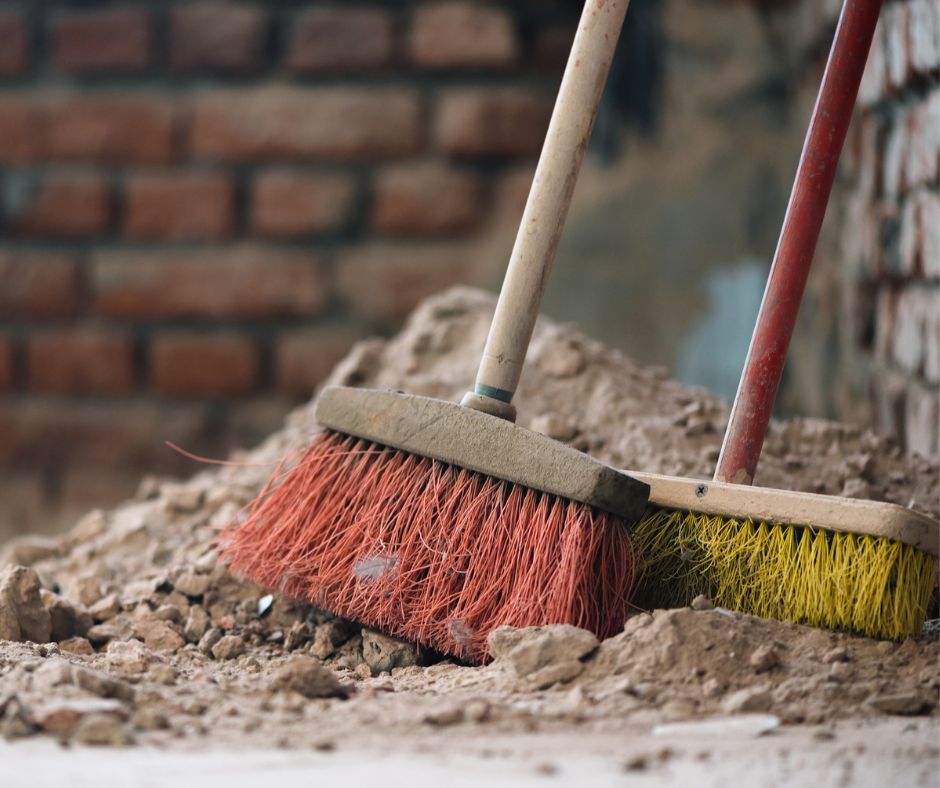
Beyond commercial cleaning, Clutter Free Service also provides sanitization, disinfection, post-construction cleanup, biohazard remediation, odor removal, decluttering, and specialty cleaning services throughout New York. Our comprehensive solutions help businesses maintain professional environments that employees, customers, and visitors can appreciate every day.
Our goal is to make cleaning one less thing your business has to worry about by providing dependable service, clear communication, and consistent results that support your daily operations smoothly.
A Customized Schedule Creates a Better Workplace
No two commercial buildings function exactly alike, so they should not be cleaned the same way. Employee count, customer traffic, industry requirements, building layout, and seasonal changes all influence how quickly different areas require attention. Recognizing these differences allows businesses to move beyond generic cleaning routines and adopt maintenance plans that truly reflect how their facilities operate.
A professional commercial cleaning company in NY understands that effective cleaning is not measured by how often every surface is wiped down. Instead, success comes from delivering the right level of care to the right areas at the right time. Daily maintenance keeps frequently used spaces looking their best, while scheduled deep cleaning preserves the overall condition of the property and helps maintain a consistently professional environment.
As businesses grow and workplace demands evolve, cleaning schedules should evolve as well. Regularly reviewing facility usage and adjusting maintenance routines ensures that cleaning continues to support productivity, employee well-being, and positive customer experiences. A flexible approach also allows organizations to respond more effectively to seasonal changes, increased occupancy, and shifting operational priorities.
Ultimately, a clean workplace is not created by following the same checklist every day. It is created through thoughtful planning, consistent execution, and a cleaning strategy designed specifically for the way your business operates. With a customized maintenance schedule, commercial properties remain cleaner, more organized, and better prepared to make a positive impression every day.