A construction project can look nearly finished while still being far from ready for people to use safely. Walls may have fresh paint, flooring may be completely installed, and new fixtures may already sit securely in place. Yet piles of packaging, drywall dust, scrap materials, and heavy debris can still occupy every room of the building. That final transition requires far more than ordinary janitorial cleaning because building work leaves behind specialized materials. This is where scheduling professional Construction Cleanup in New York becomes an essential phase of the project closeout process. The ultimate goal is never simply to make a building look tidy for a brief walk through. Instead, specialized cleanup helps transform an active worksite into a functional space that occupants, tenants, customers, employees, or property owners can actually enter and use comfortably.
The Difference Between a Finished Project and a Usable Property
Construction teams naturally focus their energy and skills on building and assembling the physical components of the space. They install walls, flooring, plumbing fixtures, specialized equipment, decorative finishes, and electrical wiring according to detailed architectural plans. However, heavy construction activity itself inevitably creates a separate layer of waste material that remains long after installation finishes. That material can include fine drywall dust, wood scraps, protective plastic film, cardboard boxes, foam, metal fasteners, packaging, and discarded installation supplies. Consequently, a commercial or residential project can reach substantial completion while still requiring significant physical clearing. A property owner may walk through the building and see beautiful new finishes, but workers may still find scattered construction waste throughout the entire floor plan. Therefore, booking Construction Cleanup in New York helps bridge the critical gap between raw structural completion and practical, safe occupancy. It ultimately becomes the final physical reset before the property officially moves into its next operational phase.
Demolition Debris Does Not Simply Disappear
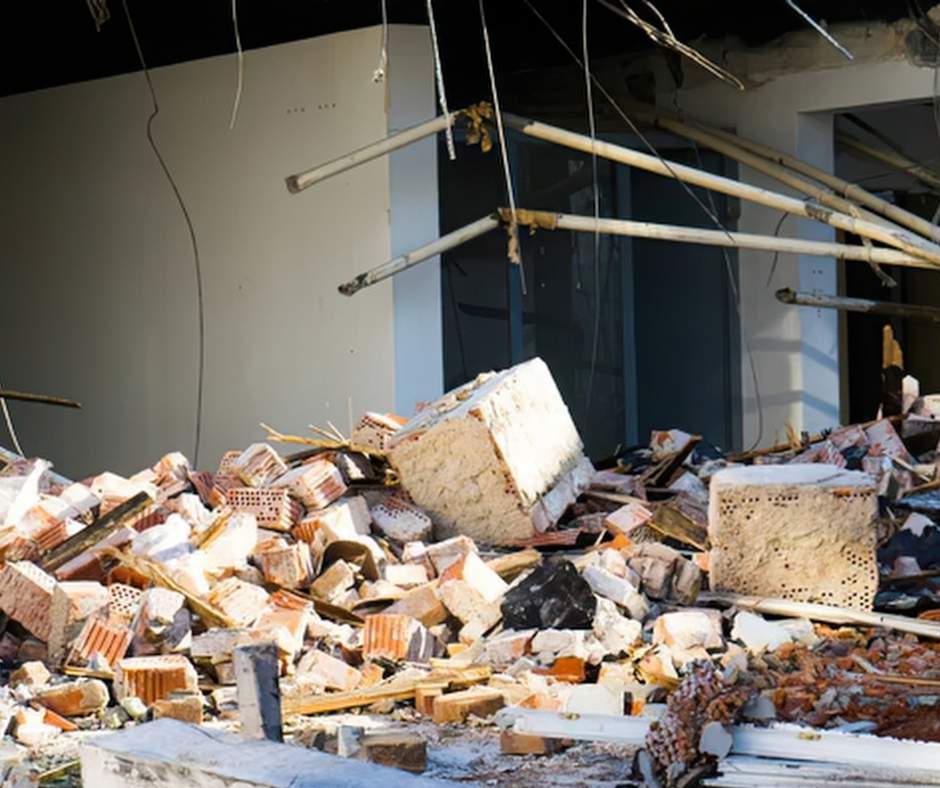
Renovation projects often generate substantial quantities of heavy debris long before the final surface cleaning stage arrives. Demolition work can systematically remove existing interior walls, outdated flooring, old cabinetry, plumbing fixtures, acoustic ceilings, and temporary partitions. As a direct result, heavy construction waste can accumulate across various rooms throughout the lifetime of the project. Some discarded items may leave the site during active construction, while other dense materials remain stacked until later phases. By the end, however, even a relatively organized jobsite can contain substantial residual debris that blocks regular movement. A thorough final cleanup therefore needs to account for all leftover waste left behind after demolition and installation activities finish. This comprehensive process typically involves clearing broken masonry, discarded framing lumber, excess drywall sheets, and smaller scattered debris that remains after larger dumpster loads leave the property.
Drywall Dust Travels Farther Than Expected
Drywall sanding and installation create one of the most recognizable and persistent forms of interior construction residue. Extremely fine plaster dust can quickly settle on newly polished floors, windowsills, delicate light fixtures, decorative trim, doors, cabinets, and inside air ducts. It can also remain trapped in tight corners and hard-to-reach areas that appear clean during a quick visual inspection. Consequently, simply sweeping the main entryway floor may not produce the pristine, finished appearance that property owners expect. Professional construction cleanup requires meticulous attention to all horizontal and vertical surfaces throughout the property rather than focusing exclusively on obvious floor debris. This technical distinction becomes particularly important when high-end custom finishes are already fully installed across the space. A newly renovated property can lose much of its polished architectural appeal when fine white dust remains scattered across otherwise completed surfaces.
Packaging Becomes Part of the Final Cleanup
New construction projects constantly bring fresh manufactured products and appliances into the interior of the building. Those commercial products almost always arrive wrapped in thick cardboard, bubble wrap, dense foam, protective film, plastic strapping, wooden pallets, and heavy shipping crates. During active installation, trade workers may remove protective packaging as they go to access individual components. Nevertheless, fast-paced projects can still accumulate massive quantities of discarded packaging by the final closeout stages. Installing modern fixtures, track lighting, custom cabinetry, kitchen appliances, hardwood flooring, door hardware, and office equipment can each introduce additional commercial wrapping. Therefore, a final jobsite cleanup often focuses heavily on collecting, compacting, and hauling away the bulky packaging materials associated with installation work. Once these artificial barrier materials leave, the interior rooms immediately begin to feel like finished architectural spaces rather than chaotic worksites.
Leftover Materials Need a Decision
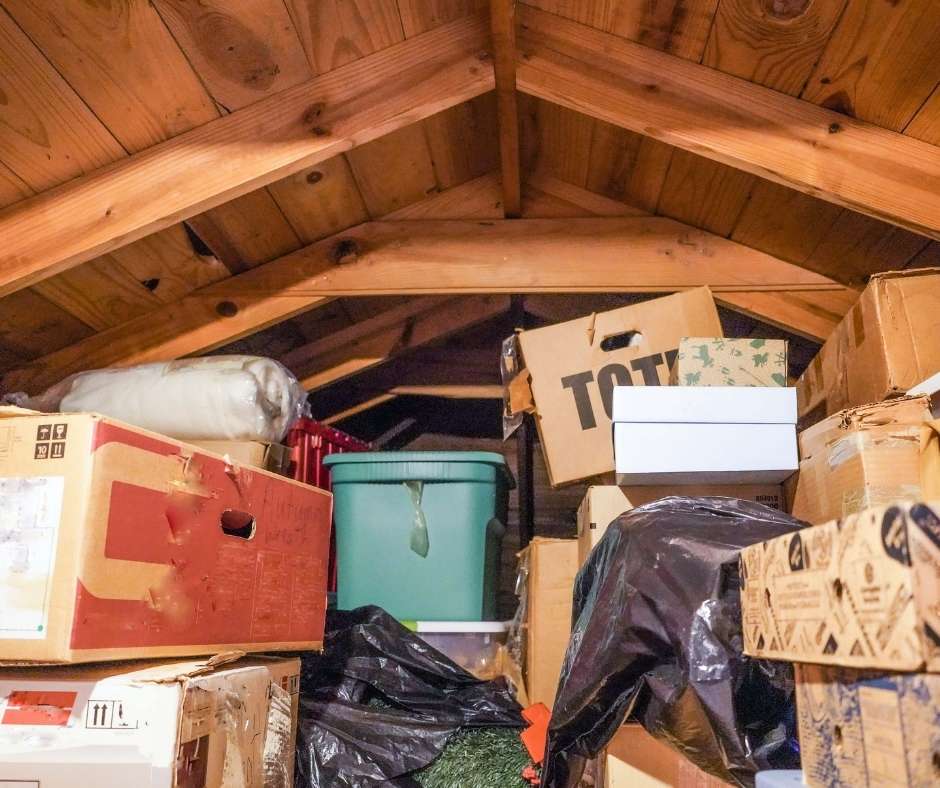
Building projects frequently conclude with piles of spare construction supplies that are no longer needed for active installation tasks. Extra flooring planks, unused packaging, scrap tile pieces, spare lighting components, and leftover paint cans may remain scattered onsite. However, not every material left behind by trade crews automatically belongs in the waste disposal pile. Some extra items may carry genuine value for future maintenance, warranty repairs, or matching existing finishes later down the road. Others represent pure construction waste that needs immediate hauling to licensed local waste management facilities. Therefore, the specialized cleanup process should carefully distinguish between materials requiring total removal and items the property owner intends to retain. This thoughtful step helps prevent useful spare materials from being discarded accidentally by cleanup workers. It also reduces the chance of leaving unnecessary, cluttered inventory scattered throughout the completed property.
- Removal of Hazardous Site Waste: Clearing out dangerous sharp materials, scattered nails, excess metal strapping, and broken glass fragments to ensure total worker and occupant safety.
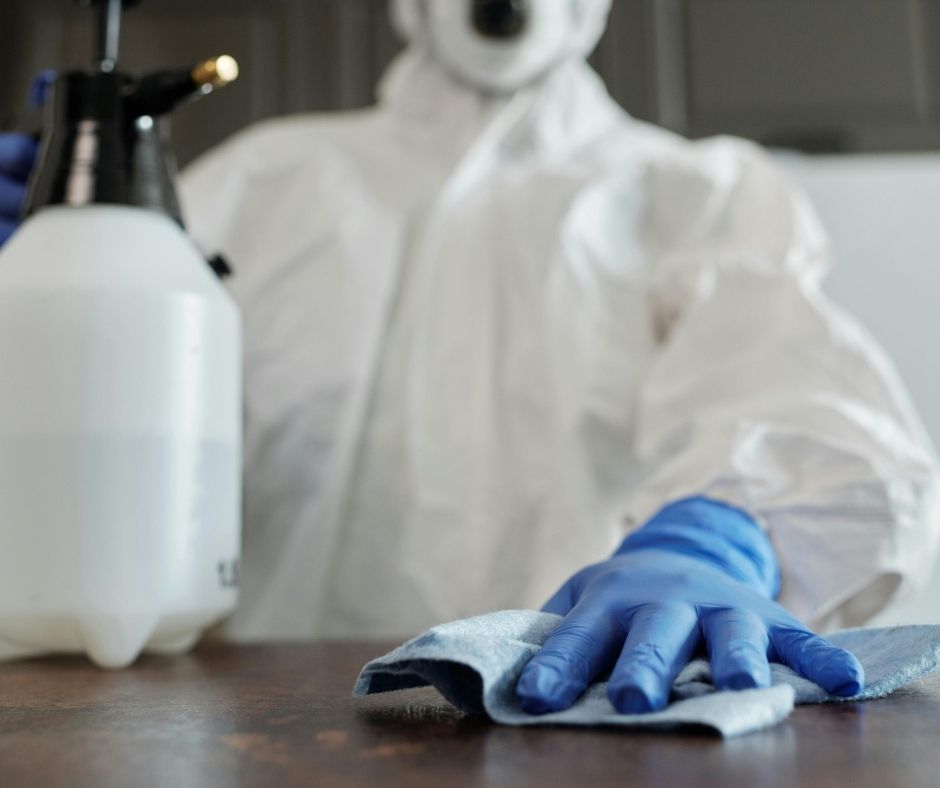
- Detailed Dust and Surface Mitigation: Wiping down interior walls, high ceiling ledges, door frames, and cabinet interiors to eliminate fine airborne drywall and concrete particles.
- Bulky Shipping Material Disposal: Gathering, breaking down, and hauling away large wooden shipping pallets, heavy cardboard boxes, dense foam padding, and protective plastic wraps.
- Selective Material Retention: Carefully identifying, organizing, and storing valuable spare tiles, leftover touch-up paint, and extra flooring planks designated for future property repairs.
- Final Floor and Fixture Polishing: Scrubbing, vacuuming, and polishing newly revealed floor surfaces, windows, glass partitions, and stainless steel fixtures until they shine completely.
Working through a structured checklist ensures that no trade debris is overlooked before the property undergoes its final owner walk through.
Fixtures Can Remain Hidden After Installation
Final jobsite clearing also deals with the messy remnants that linger after major fixture installation work finishes up. Depending on the specific commercial or residential scope, this cleanup phase may involve removing protective tape, plastic films, hardware boxes, discarded wiring bits, and plumbing debris. Bathrooms, commercial kitchens, corporate offices, retail spaces, and healthcare facilities can all generate massive amounts of these small installation wastes. Once new fixtures sit in their permanent positions, the immediate surrounding areas still require extensive manual detailing. Fine construction dust frequently settles inside new vanity cabinetry and beneath heavy mechanical equipment. Furthermore, opaque protective covers may still shield newly installed countertops and polished stainless steel surfaces from accidental scratches. Consequently, dedicated cleanup helps reveal the completed fixture installation rather than the messy physical evidence of how workers installed it.
Why Ordinary Janitorial Cleaning Is Not Enough
Traditional commercial janitorial cleaning typically focuses on maintaining an already operational and inhabited interior environment. That routine work can include standard desk dusting, carpet vacuuming, mop cleaning, restroom restocking, daily trash removal, and other light recurring maintenance tasks. Construction cleanup addresses a fundamentally different and far more demanding environmental situation. The recently finished property contains heavy residues and abrasive waste created specifically through active structural building, demolition, drywall taping, and fixture installation activities. Therefore, the cleaning scope needs to be significantly more intensive, tactical, and thorough than standard daily janitorial care. Construction cleanup specifically involves hauling away heavy building waste, removing stubborn adhesive stickers, scrubbing caked-on drywall compound, addressing thick dust, and preparing newly finished areas for immediate human use. This operational distinction matters because using a basic janitorial maintenance plan too early can leave substantial construction waste behind.
The Final Clearing Changes How the Property Feels
There is an undeniable, powerful psychological difference between walking into an active jobsite and walking into a completed property. An active jobsite constantly displays clear evidence of ongoing physical labor, noise, dust, and general operational chaos. Scattered tools, discarded packaging, heavy debris, temporary lighting, protective floor paper, and unfinished cleanup communicate clearly that the project remains under construction. Once those chaotic industrial elements disappear completely, the exact same interior rooms suddenly feel entirely different to visitors. Floors become visually continuous and pristine, while high-end architectural fixtures become much easier to appreciate in their natural setting. Rooms appear significantly larger and brighter without stacks of scattered construction materials blocking natural light. Entrances and hallways become welcoming pathways, encouraging occupants to explore the space. Therefore, booking Construction Cleanup in New York is not merely a practical functional task. It actively helps reveal the beautiful finished environment that the construction project was originally designed to create.
Different Projects Create Different Cleanup Needs
Not every construction or renovation project leaves behind the standard assortment of building materials and dust. A high-end residential apartment renovation may generate fine drywall dust, hardwood flooring scraps, custom cabinetry boxes, and delicate lighting packaging. A commercial retail buildout may involve metal signage waste, display fixture components, heavy plastic wrapping, vinyl flooring scraps, and glass packaging. An office renovation frequently creates interior partition scraps, excess electrical wiring debris, modular furniture boxes, and ceiling tile dust. Meanwhile, massive ground-up commercial buildings can involve significantly greater waste volumes, specialized disposal compliance, and more complicated equipment access requirements. Consequently, the chosen cleanup approach should always reflect the specific construction activities that took place on site. A rigid, generic cleaning checklist may completely miss important waste materials when a project features unique finishes, heavy equipment, or custom architectural installation requirements.
The Cleanup Often Happens in Stages
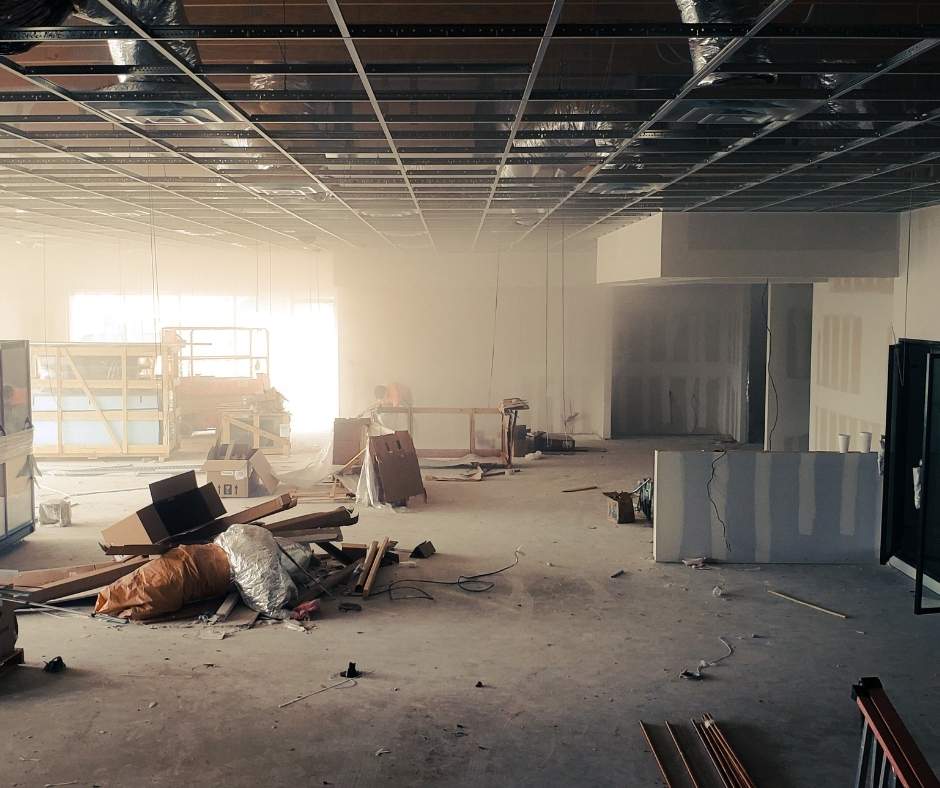
Final construction clearing does not necessarily mean that every single cleaning task must occur on one single afternoon. Larger commercial and multi-family residential developments frequently benefit from staged, phased clearing as different zones reach physical completion. For example, one upper floor may become completely ready for final cleanup while general contractors continue active interior work on lower levels. This strategic, phased approach can significantly reduce unnecessary interference between specialized cleaning crews and active trade contractors. It also allows completed sections of the building to move toward final inspection and early occupancy much sooner. However, the exact timing depends heavily on the overall construction schedule, site safety conditions, and subcontractor coordination requirements. Therefore, scheduling Construction Cleanup in New York works best when it connects directly with the project manager’s broader closeout schedule.
First, contractors complete all heavy structural trade work and overhead installations within a specific zone. Second, cleanup crews perform a rough clear to haul away large debris, packaging, and unused trade materials. Third, technicians execute a detailed light clean to remove fine drywall dust from high ledges, walls, and light fixtures. Finally, the team completes a comprehensive final polish on all glass, hard flooring, and plumbing fixtures to prepare the space for immediate client handover.
Protecting Newly Completed Spaces Matters
A freshly completed architectural surface remains extremely vulnerable to costly damage during the final hectic stages of construction. Trade workers may continue moving heavy tools and ladders through the building while final cleanup activities are actively underway. Moving equipment, heavy debris bags, and metal tools can easily scratch, dent, or stain newly installed finishes if workers handle them carelessly. Consequently, specialized cleanup crews need to work with constant awareness of the delicate nature of the completed building elements. The main objective is to eliminate all construction waste and dust without accidentally causing fresh surface damage in the process. This careful handling becomes exceptionally critical when dealing with polished hardwood flooring, delicate glass partitions, custom cabinetry, painted surfaces, and expensive brass fixtures. A diligent final clearing process protects the owner’s financial investment during the sensitive transition from construction work to normal property use.
Access and Removal Logistics Still Matter
Bulky construction waste can be extremely heavy, awkward to carry, and challenging to move through narrow interior corridors safely. A successful cleanup plan must carefully consider how waste materials move from individual interior rooms toward final collection and disposal points. Tight stairwells, small service elevators, restricted loading docks, narrow entry doors, street parking limits, and municipal building rules can all impact daily logistics. New York properties can present exceptionally complicated access challenges because urban buildings often feature limited curb space, strict elevator reservation windows, and shared tenant access routes. Therefore, the removal process must adapt directly to the physical constraints of the property rather than assuming every project enjoys open access. Efficient, well-planned waste removal helps prevent newly cleaned interior spaces from becoming cluttered again during the final haul out.
Final Cleanup Can Support the Handover Process
The final closing stages of a major building project always involve far more than physical sweeping and trash hauling. Property owners need to inspect every square foot of the completed space to verify that contractors met all building specifications. Prospective commercial tenants may prepare to install their operational equipment, custom furniture, and branding elements. Property managers must establish daily building operations, security routines, and ongoing maintenance schedules. Meanwhile, retail customers or corporate employees may be scheduled to enter the building within days of final completion. Consequently, the property must present itself as a polished, completely safe, and operational environment. Professional construction cleanup directly supports this official handoff by eliminating the chaotic visual distraction of building work. Once waste and extra supplies disappear, minor trade defects become much easier for inspectors to identify and resolve. A small paint touch-up, damaged trim piece, or missing electrical plate is infinitely easier to spot inside a clear room. Therefore, thorough cleanup indirectly supports the final quality assurance and sign-off process as well.
A Clean Space Makes Remaining Issues Easier to Spot
Revealing minor trade deficiencies is one of the most practical, yet overlooked, advantages of performing a thorough final cleanup. Piles of leftover construction debris can easily hide incomplete electrical trim work or unpainted baseboards. A stack of empty cardboard boxes can completely obscure cracked floor tiles or damaged wall plaster near room corners. Thick layers of white drywall dust can make it almost impossible to evaluate the finish quality of custom cabinetry or hardwood floors. Discarded trade supplies can block physical access to plumbing access panels and electrical shutoff switches. Once all unnecessary materials leave the jobsite, the actual quality of the construction work becomes completely transparent. That crystal-clear visibility allows owners, architects, general contractors, and property managers to focus directly on real punch-list items rather than wading through trade waste. In other words, specialized cleaning does not simply finish the building visually; it helps confirm whether the physical structure is truly ready for occupancy.
How Clutter Free Service Can Help
When a building project approaches completion, working with a reliable local cleanup provider simplifies the final transition. Clutter Free Service provides specialized debris removal and jobsite cleanup solutions across Manhattan, Brooklyn, Queens, Staten Island, and the Bronx. Their experienced teams understand how to navigate tight urban logistics, strict building rules, and demanding project timelines efficiently.
Clutter Free Service handles a wide variety of post-construction hauling needs, including:
- Construction Debris Removal: Hauling away heavy drywall, framing lumber, scrap flooring, concrete pieces, metal piping, and masonry waste.
- Packaging and Pallet Clearing: Collecting, breaking down, and removing large commercial shipping boxes, pallets, crate materials, and plastic wraps.
- Fixture and Appliance Waste Removal: Removing old discarded fixtures, packaging from new appliance installs, and unwanted plumbing supplies.
- Bulk-Item and Trash Hauling: Clearing out heavy leftover building materials, temporary trade furniture, and general jobsite trash.
- Flexible Site Scheduling: Coordinating cleanup hours directly with general contractors and building managers to align with tight handoff deadlines.
Their local expertise ensures that commercial and residential sites meet municipal waste regulations while staying on schedule for official property walkthroughs.
The Final Sweep Is Really a Change of Status
Executing a thorough construction cleanup represents a fundamental shift in how the physical property functions and presents itself. Before the final cleanup takes place, the building remains an active jobsite controlled by trade workers and safety gear. Afterward, it officially begins operating as a clean, functional space designed for real human activity. That profound operational distinction explains why the final clearing stage deserves significantly more careful planning than simply hiring a casual crew to sweep the floors. The property needs its heavy demolition waste safely removed from the premises. Bulk packaging needs to be compacted and hauled away to recycling facilities. Fine drywall dust needs detailed, multi-surface removal. Leftover trade materials need careful sorting and organization. Newly installed fixtures need to be uncovered and polished. Interior access routes need total clearing, and all unnecessary construction supplies must disappear completely. Only after completing these steps can the true quality of the finished architecture emerge.
From Jobsite to Usable Property
The last contractor truck driving away from a building project does not automatically mean the interior space is ready for daily living or business operations. There can still be lingering layers of fine dust, empty packaging, heavy debris, discarded materials, and protective wraps covering surfaces throughout the building. That reality is precisely why booking professional Construction Cleanup in New York plays such a vital role during the final project closeout. It actively transforms the physical environment from a noisy, dusty location where construction happens into a comfortable space where people can live, work, shop, or operate safely. More importantly, comprehensive final cleanup gives owners, tenants, and management teams a crystal-clear view of their new investment. Instead of staring at leftover waste from the building process, they can finally see and appreciate what the construction project created. That is the ultimate purpose of the final cleanup phase: it does not build the walls, but it reveals when the property is finally ready to be enjoyed.