
Essential Checklist for Successful Post-Move Decluttering in NYC

Moving into a new home often feels exciting at first. However, the days after moving can quickly become overwhelming. Boxes remain unopened, furniture placement feels uncertain, and everyday items seem difficult to locate. In many cases, clutter appears before residents fully settle into the space.

For this reason, Post-Move Decluttering in NYC becomes an important step in creating a functional home. Apartments in New York City often have limited storage and strict building regulations. As a result, residents benefit from organizing early and removing unnecessary items before clutter becomes permanent.
 
A structured decluttering plan helps reduce stress and improve daily routines. Instead of trying to organize everything at once, it is more effective to follow a phased process. This process focuses on immediate priorities, room-by-room organization, and practical disposal strategies.

Immediate Priorities During the First 48 Hours

The first two days after moving, focus on functionality rather than perfection. During this period, the goal is to make the apartment usable while preventing clutter from spreading throughout the space.

First, residents should unpack only the items necessary for daily living. For example, setting up the bed, placing basic cookware in the kitchen, and organizing essential toiletries help create stability. In addition, keeping important documents in one accessible location prevents unnecessary searching.

At the same time, it is important to remove packing materials quickly. Cardboard boxes, plastic wrapping, and tape tend to accumulate rapidly in small apartments. Therefore, disposing of packaging early prevents clutter from spreading across the home.

Another priority during this stage is maintaining safe movement throughout the apartment. Clear walking paths allow residents to move furniture, carry boxes, and access storage areas safely. This simple step helps reduce stress during the early unpacking process.

During these first 48 hours, emotional decisions should be avoided. Many items require thoughtful consideration, especially when they involve sentimental value or uncertain usefulness. Instead, it is helpful to place those items aside temporarily and revisit them later.
 
Overall, the early stage of Post-Move Decluttering in NYC focuses on creating order quickly while leaving more complex decisions for the following weeks.

Week One Decluttering Strategy

After the initial setup, the next phase focuses on restoring everyday routines. During the first week, residents should concentrate on the rooms that influence daily comfort the most.

The kitchen often becomes the first priority. Since cooking and food preparation occur every day, organizing the kitchen improves household efficiency immediately. Many households discover duplicate utensils, unused appliances, or expired food while unpacking. Removing these items early frees valuable cabinet space and simplifies meal preparation.

Next, attention should shift to the bedroom. A calm and organized sleeping environment improves rest and reduces visual clutter. Residents should evaluate clothing storage carefully during this stage. Closets fill quickly after moving, so it becomes helpful to set a physical limit for hanging clothes. Items that no longer fit, remain unused, or belong to another season can be placed aside for later review.

Bathrooms also benefit from early decluttering. Many households accumulate expired medications, old cosmetics, or duplicate toiletries over time. Therefore, reviewing bathroom storage helps eliminate unnecessary products while creating space for items used daily.

Once these essential areas are functional, residents can gradually organize the living room and entryway. Decorative items and furniture often require adjustment after moving because layouts change between homes. As a result, reviewing these items carefully prevents overcrowding.
 
By the end of the first week, most essential spaces should feel usable and comfortable. However, some boxes and undecided items will likely remain. This situation is normal and expected during Post-Move Decluttering in NYC.

Managing Sentimental and Difficult Items

One of the most challenging aspects of decluttering involves sentimental belongings. Family heirlooms, photographs, gifts, and personal collections often carry emotional significance. Consequently, decisions about these items may feel difficult.

A helpful approach begins with photographing sentimental objects. Digital photos preserve memories while reducing the need to keep every physical item. Many residents find that photographing objects allows them to remember the story behind the item without storing it permanently.

Another helpful strategy involves setting physical limits for keepsakes. For example, households may dedicate one small box or one shelf to memory items. This simple rule ensures that meaningful belongings remain preserved while preventing excessive storage.

Decision deadlines also help maintain progress. Some items require additional reflection, which is understandable. However, postponing decisions indefinitely often leads to clutter accumulation. Setting a review period of thirty to ninety days encourages thoughtful evaluation while maintaining forward movement.

When families share sentimental belongings, it can also help to discuss decisions together. Clear communication allows everyone involved to express their preferences while reaching practical solutions.
 
Through these methods, residents can continue Post-Move Decluttering in NYC without feeling overwhelmed by emotional decisions.

Disposal and Donation Options in New York City
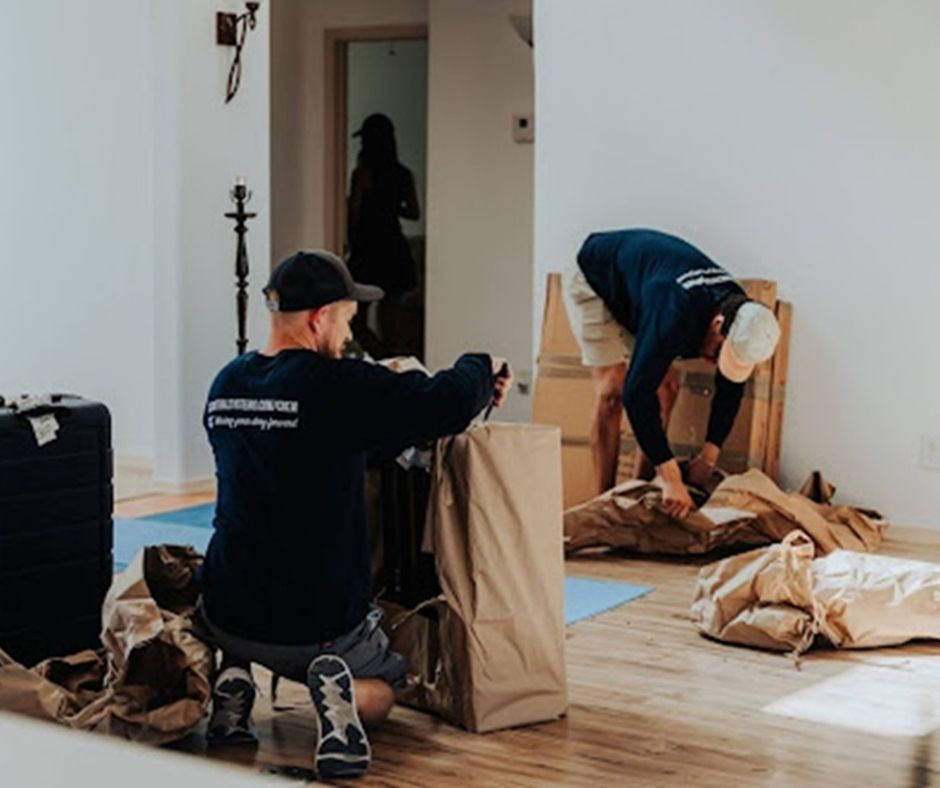
Decluttering becomes much easier when residents understand local disposal options. New York City provides several systems for donating, recycling, and removing household items.

Many everyday household goods can be donated to organizations such as Goodwill or Housing Works. These organizations accept clothing, small appliances, kitchenware, and decorative items in good condition. Donations allow usable items to remain in circulation rather than entering landfills.

Furniture donation programs also exist within the city. Habitat for Humanity ReStore often accepts furniture and building materials that remain in usable condition. These items may be picked up or dropped off, depending on availability.

Online resale platforms also provide opportunities for selling unwanted items. Furniture and electronics often perform well on platforms such as Facebook Marketplace or AptDeco. However, selling requires communication with buyers and scheduling pickups, which may take additional time.

Municipal disposal services manage bulk waste removal. The Department of Sanitation schedules collection for large items that cannot be donated or sold. Residents should confirm building rules and scheduling procedures before placing items outside.
 
Choosing the correct disposal route helps prevent clutter from lingering in the apartment. When decisions occur early, items leave the home faster and free valuable space.
Post-Move Decluttering in New York

Storage Strategies for Small NYC Apartments

Decluttering works best when combined with thoughtful storage planning. Since many New York apartments have limited square footage, efficient storage solutions become essential.

Vertical storage often provides the most effective solution. Tall shelving units take advantage of wall space while leaving floor space open. In addition, wall hooks and mounted rails offer convenient storage for bags, coats, and accessories.

Multi-purpose furniture also improves storage efficiency. Storage ottomans, drawer beds, and benches with interior compartments allow residents to store items without adding extra furniture.

Another helpful strategy involves using transparent storage containers. Clear containers allow residents to see stored items immediately. As a result, they avoid purchasing duplicates or forgetting stored belongings.
 
By combining decluttering with smart storage solutions, residents maintain a cleaner and more organized living environment.

Creating a 90-Day Decluttering Timeline

Decluttering rarely happens in a single day. Instead, the most effective approach spreads the process across several weeks.

During the first two days, residents focus on unpacking essentials and removing packing waste. This stage establishes basic order within the apartment.

The first week centers on organizing high-use areas such as the kitchen, bedroom, and bathroom. Residents also begin sorting items for donation or resale during this period.

Within the first month, attention shifts to undecided belongings. Temporary storage boxes should be reviewed carefully so that items do not remain indefinitely.

Finally, the ninety-day stage involves a full review of the apartment. At this point, residents remove unused items and adjust storage systems to suit their daily routines.
 
Following this timeline ensures that Post-Move Decluttering in NYC progresses steadily without creating unnecessary pressure.

How Clutter Free Service Can Help

While many households manage decluttering independently, some situations benefit from professional assistance. In New York City, building regulations, transportation logistics, and large item removal can complicate the process.
 

Clutter Free Service specializes in helping residents complete Post-Move Decluttering in NYC efficiently. Their team provides hands-on assistance with removing unwanted items, organizing living spaces, and coordinating donation or recycling services.

Professional decluttering teams help clients identify items that can be donated, sold, or responsibly discarded. In addition, they manage the logistics of removing furniture and bulky household goods. This service becomes especially helpful when dealing with large volumes of items or tight building schedules.

Another advantage involves their familiarity with New York City building rules. Many residential buildings require elevator reservations or restrict disposal procedures. Professional teams understand these requirements and coordinate removal accordingly.

As a result, clients can complete their post-move organization faster while avoiding unnecessary complications.

Final Thoughts

Moving provides an opportunity to reset household organization. However, clutter can develop quickly when boxes remain unpacked, and decisions are delayed.

Therefore, beginning Post-Move Decluttering in NYC soon after moving helps maintain control of the space. By focusing on early priorities, organizing key rooms, and choosing appropriate disposal routes, residents can transform a new apartment into a comfortable and functional home.
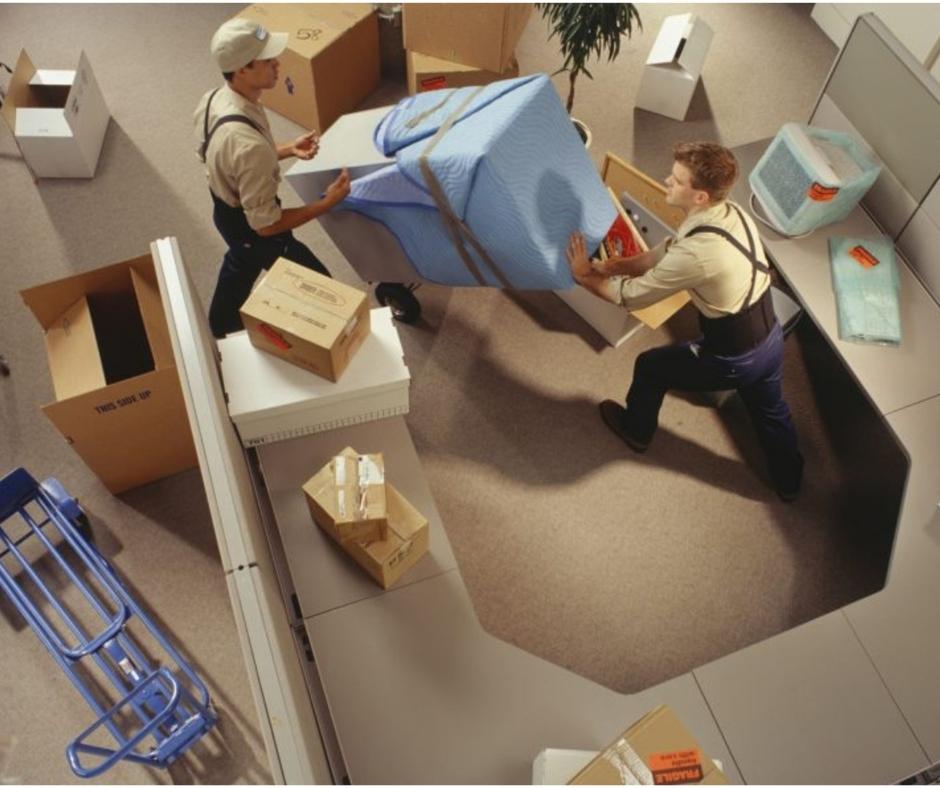
In addition, thoughtful storage solutions prevent clutter from returning in the future. When necessary, professional services such as Clutter Free Service can simplify the process by handling removal logistics and providing expert guidance.
 
With a structured plan and consistent effort, Post-Move Decluttering in NYC becomes manageable. Over time, these habits help maintain a cleaner, more organized home that supports everyday life in the city.
Post-Move Decluttering in New York
Moving into a new home often feels exciting at first. However, the days after moving can quickly become overwhelming. Boxes remain unopened, furniture placement feels uncertain, and everyday items seem difficult to locate. In many cases, clutter appears before residents fully settle into the space.

For this reason, Post-Move Decluttering in NYC becomes an important step in creating a functional home. Apartments in New York City often have limited storage and strict building regulations. As a result, residents benefit from organizing early and removing unnecessary items before clutter becomes permanent.
 
A structured decluttering plan helps reduce stress and improve daily routines. Instead of trying to organize everything at once, it is more effective to follow a phased process. This process focuses on immediate priorities, room-by-room organization, and practical disposal strategies.

Immediate Priorities During the First 48 Hours

The first two days after moving, focus on functionality rather than perfection. During this period, the goal is to make the apartment usable while preventing clutter from spreading throughout the space.

First, residents should unpack only the items necessary for daily living. For example, setting up the bed, placing basic cookware in the kitchen, and organizing essential toiletries help create stability. In addition, keeping important documents in one accessible location prevents unnecessary searching.

At the same time, it is important to remove packing materials quickly. Cardboard boxes, plastic wrapping, and tape tend to accumulate rapidly in small apartments. Therefore, disposing of packaging early prevents clutter from spreading across the home.

Another priority during this stage is maintaining safe movement throughout the apartment. Clear walking paths allow residents to move furniture, carry boxes, and access storage areas safely. This simple step helps reduce stress during the early unpacking process.

During these first 48 hours, emotional decisions should be avoided. Many items require thoughtful consideration, especially when they involve sentimental value or uncertain usefulness. Instead, it is helpful to place those items aside temporarily and revisit them later.
 
Overall, the early stage of Post-Move Decluttering in NYC focuses on creating order quickly while leaving more complex decisions for the following weeks.

Week One Decluttering Strategy

After the initial setup, the next phase focuses on restoring everyday routines. During the first week, residents should concentrate on the rooms that influence daily comfort the most.

The kitchen often becomes the first priority. Since cooking and food preparation occur every day, organizing the kitchen improves household efficiency immediately. Many households discover duplicate utensils, unused appliances, or expired food while unpacking. Removing these items early frees valuable cabinet space and simplifies meal preparation.

Next, attention should shift to the bedroom. A calm and organized sleeping environment improves rest and reduces visual clutter. Residents should evaluate clothing storage carefully during this stage. Closets fill quickly after moving, so it becomes helpful to set a physical limit for hanging clothes. Items that no longer fit, remain unused, or belong to another season can be placed aside for later review.

Bathrooms also benefit from early decluttering. Many households accumulate expired medications, old cosmetics, or duplicate toiletries over time. Therefore, reviewing bathroom storage helps eliminate unnecessary products while creating space for items used daily.

Once these essential areas are functional, residents can gradually organize the living room and entryway. Decorative items and furniture often require adjustment after moving because layouts change between homes. As a result, reviewing these items carefully prevents overcrowding.
 
By the end of the first week, most essential spaces should feel usable and comfortable. However, some boxes and undecided items will likely remain. This situation is normal and expected during Post-Move Decluttering in NYC.

Managing Sentimental and Difficult Items

One of the most challenging aspects of decluttering involves sentimental belongings. Family heirlooms, photographs, gifts, and personal collections often carry emotional significance. Consequently, decisions about these items may feel difficult.

A helpful approach begins with photographing sentimental objects. Digital photos preserve memories while reducing the need to keep every physical item. Many residents find that photographing objects allows them to remember the story behind the item without storing it permanently.

Another helpful strategy involves setting physical limits for keepsakes. For example, households may dedicate one small box or one shelf to memory items. This simple rule ensures that meaningful belongings remain preserved while preventing excessive storage.

Decision deadlines also help maintain progress. Some items require additional reflection, which is understandable. However, postponing decisions indefinitely often leads to clutter accumulation. Setting a review period of thirty to ninety days encourages thoughtful evaluation while maintaining forward movement.

When families share sentimental belongings, it can also help to discuss decisions together. Clear communication allows everyone involved to express their preferences while reaching practical solutions.
 
Through these methods, residents can continue Post-Move Decluttering in NYC without feeling overwhelmed by emotional decisions.

Disposal and Donation Options in New York City

Decluttering becomes much easier when residents understand local disposal options. New York City provides several systems for donating, recycling, and removing household items.

Many everyday household goods can be donated to organizations such as Goodwill or Housing Works. These organizations accept clothing, small appliances, kitchenware, and decorative items in good condition. Donations allow usable items to remain in circulation rather than entering landfills.

Furniture donation programs also exist within the city. Habitat for Humanity ReStore often accepts furniture and building materials that remain in usable condition. These items may be picked up or dropped off, depending on availability.

Online resale platforms also provide opportunities for selling unwanted items. Furniture and electronics often perform well on platforms such as Facebook Marketplace or AptDeco. However, selling requires communication with buyers and scheduling pickups, which may take additional time.

Municipal disposal services manage bulk waste removal. The Department of Sanitation schedules collection for large items that cannot be donated or sold. Residents should confirm building rules and scheduling procedures before placing items outside.
 
Choosing the correct disposal route helps prevent clutter from lingering in the apartment. When decisions occur early, items leave the home faster and free valuable space.
Post-Move Decluttering in New York

Storage Strategies for Small NYC Apartments

Decluttering works best when combined with thoughtful storage planning. Since many New York apartments have limited square footage, efficient storage solutions become essential.

Vertical storage often provides the most effective solution. Tall shelving units take advantage of wall space while leaving floor space open. In addition, wall hooks and mounted rails offer convenient storage for bags, coats, and accessories.

Multi-purpose furniture also improves storage efficiency. Storage ottomans, drawer beds, and benches with interior compartments allow residents to store items without adding extra furniture.

Another helpful strategy involves using transparent storage containers. Clear containers allow residents to see stored items immediately. As a result, they avoid purchasing duplicates or forgetting stored belongings.
 
By combining decluttering with smart storage solutions, residents maintain a cleaner and more organized living environment.

Creating a 90-Day Decluttering Timeline

Decluttering rarely happens in a single day. Instead, the most effective approach spreads the process across several weeks.

During the first two days, residents focus on unpacking essentials and removing packing waste. This stage establishes basic order within the apartment.

The first week centers on organizing high-use areas such as the kitchen, bedroom, and bathroom. Residents also begin sorting items for donation or resale during this period.

Within the first month, attention shifts to undecided belongings. Temporary storage boxes should be reviewed carefully so that items do not remain indefinitely.

Finally, the ninety-day stage involves a full review of the apartment. At this point, residents remove unused items and adjust storage systems to suit their daily routines.
 
Following this timeline ensures that Post-Move Decluttering in NYC progresses steadily without creating unnecessary pressure.

How Clutter Free Service Can Help

While many households manage decluttering independently, some situations benefit from professional assistance. In New York City, building regulations, transportation logistics, and large item removal can complicate the process.
 

Clutter Free Service specializes in helping residents complete Post-Move Decluttering in NYC efficiently. Their team provides hands-on assistance with removing unwanted items, organizing living spaces, and coordinating donation or recycling services.

Professional decluttering teams help clients identify items that can be donated, sold, or responsibly discarded. In addition, they manage the logistics of removing furniture and bulky household goods. This service becomes especially helpful when dealing with large volumes of items or tight building schedules.

Another advantage involves their familiarity with New York City building rules. Many residential buildings require elevator reservations or restrict disposal procedures. Professional teams understand these requirements and coordinate removal accordingly.

As a result, clients can complete their post-move organization faster while avoiding unnecessary complications.

Final Thoughts

Moving provides an opportunity to reset household organization. However, clutter can develop quickly when boxes remain unpacked, and decisions are delayed.

Therefore, beginning Post-Move Decluttering in NYC soon after moving helps maintain control of the space. By focusing on early priorities, organizing key rooms, and choosing appropriate disposal routes, residents can transform a new apartment into a comfortable and functional home.

In addition, thoughtful storage solutions prevent clutter from returning in the future. When necessary, professional services such as Clutter Free Service can simplify the process by handling removal logistics and providing expert guidance.
 
With a structured plan and consistent effort, Post-Move Decluttering in NYC becomes manageable. Over time, these habits help maintain a cleaner, more organized home that supports everyday life in the city.
Share the Post:

Related Posts

Scroll to Top