Storm Cleanup Services in NY
Restoring safety, order, and structural integrity to your property right when you need it most.
Severe weather events strike the New York region with immense force, leaving property owners to manage chaotic damage across outdoor grounds and interior spaces. During the crucial initial window spanning twenty four to seventy two hours after a severe weather event, taking immediate, deliberate steps protects your real estate investment from progressive secondary destruction. Because high winds and torrential rains compromise structural envelopes rapidly, reactive delays often lead to costly secondary complications like deep mold contamination, weakened foundation framing, and permanent material decay.
When gale force winds and historic rainfall sweep through metropolitan neighborhoods, residential homes and commercial premises face severe impacts. Fallen tree trunks block access paths, shattered exterior glazing allows rainwater to pool on interior flooring, and scattered personal belongings become contaminated by silt and runoff. Consequently, implementing a clear emergency action plan becomes essential. Professional Storm Cleanup Services in NY provide the heavy labor, technical machinery, and systematic mitigation required to secure your building envelope, haul away heavy debris, and prepare your property for complete contractor restoration.
Critical Safety Protocols and Immediate Inspection During Hours 1 to 12
Immediately following the passage of a major meteorological event, personal safety remains the paramount priority before undertaking physical labor or structural evaluations. High winds frequently knock down overhead utility cables, leaving live high voltage wires hidden beneath piles of wet foliage or pooling standing water. Therefore, before stepping outside to inspect outdoor grounds, you must visually verify that no sagging power lines contact your real estate boundaries or connected metallic fencing.
In addition to exterior electrical hazards, interior environments present significant safety risks after water intrusion occurs. Standing water that rises above basement electrical wall sockets transforms flooded floor spaces into hazardous electrification zones. As a result, property owners must turn off main circuit breakers from a dry location before stepping into damp basements or subgrade rooms. Furthermore, structural instability requires cautious movement around damaged ceiling drywall and sagging roof trusses.
Once you confirm basic environmental safety across the property, systematically execute these four initial response actions:
- Verify Utility Line Safety: Inspect the perimeter visually from a safe distance to ensure zero fallen electrical cables touch wet ground, trees, or metal structures.
- Disconnect Main Electrical Power: Shut down the main power distribution board if water approaches electrical outlets or basement wiring circuits.
- Equip Essential Protective Gear: Put on heavy duty work gloves, steel toe rubber boots, protective eye goggles, and N95 dust masks before approaching broken materials.
- Identify Immediate Structural Hazards: Look for compromised load bearing walls, bow shaped ceiling plaster, and dangling overhead tree branches before entering impacted zones.
Triage and Immediate Management of Outdoor Grounds and Fallen Branches
Exterior grounds typically absorb the primary force of violent winds, resulting in heavy scattered limbs, uprooted landscaping, and damaged building cladding. Heavy tree branches hanging precariously in upper canopy limbs present severe drop hazards, commonly referred to as widowmakers. Consequently, securing these hazardous hanging branches requires professional equipment and timber rigging to prevent sudden collapses onto roof surfaces below.
Furthermore, high winds strip exterior materials off building facades, scattering asphalt roof shingles, vinyl siding panels, aluminum gutters, and broken glass across lawn areas. Gathering these sharp materials into centralized containment zones prevents secondary injuries to recovery crews and stops windblown debris from smashing intact window panes. Meanwhile, storm drains and outdoor catch basins often fill with compacted leaves and mud, which impedes natural drainage and forces surface water directly toward basement foundation walls. Clearing catch basin grates immediately allows standing surface water to drain away naturally.
Managing Water Intrusion and Interior Debris from Hours 12 to 36
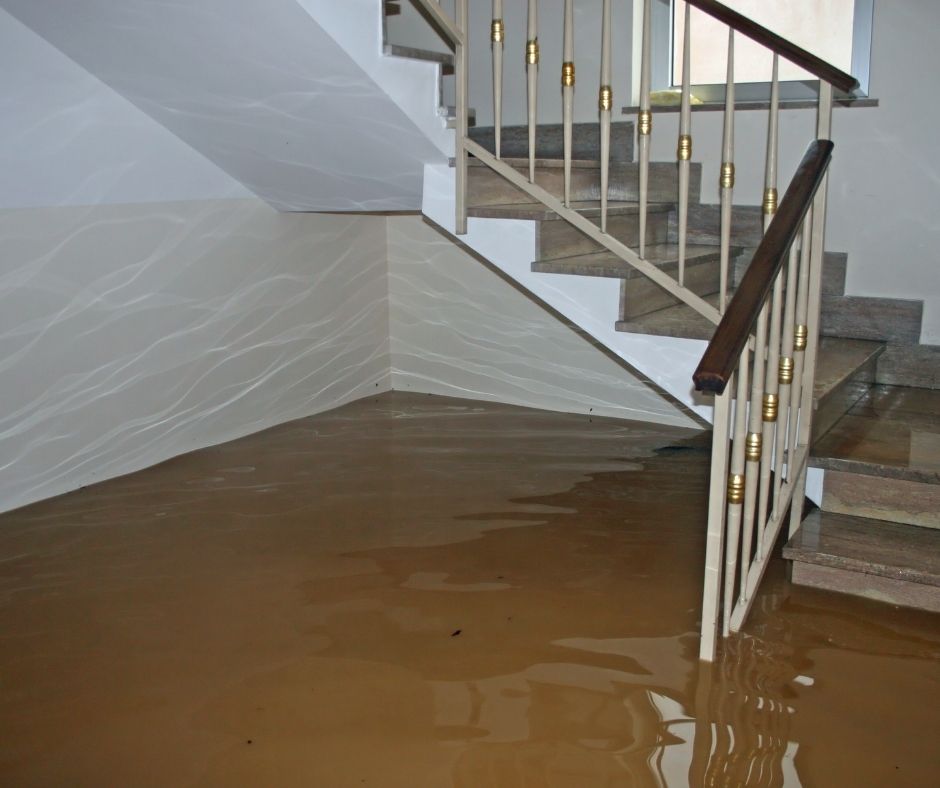
As rainwater penetrates compromised roofs, cracked window seals, or flooded foundation walls, indoor living spaces experience rapid saturation. Water travels along the path of least resistance, flowing through ceiling joists, soaking interior wall insulation, and pooling across finished hardwood or carpeted floors. Because porous building materials like gypsum drywall, particleboard furniture, and ceiling tiles absorb moisture like sponges, delayed extraction causes structural swelling and surface warping within hours.
Similarly, interior debris demands swift categorization and clearance. High winds that break windows scatter sharp glass splinters into carpet fibers, upholstered armchairs, and curtains. Furthermore, water soaked drywall collapses under its own wet weight, dropping heavy wet insulation and plaster onto interior room contents. Removing ruined ceiling materials and saturated wall coverings allows air currents to circulate freely, accelerating structural drying across damp timber wall studs.
Comprehensive Insurance Documentation Protocols from Hours 36 to 48
Before removing damaged building materials or hauling away ruined furniture, property owners must complete exhaustive photographic and written documentation. Insurance adjusters require clear, detailed proof showing the original state and extent of storm damage to process reimbursement claims smoothly. Therefore, thorough documentation executed between hours thirty six and forty eight protects your financial interests significantly.
Start by capturing wide angle overview photographs of every affected room and outdoor area to establish macro context. Subsequently, take close up, high resolution photographs of specific damaged building components, including warped hardwood floor planks, stained ceiling plaster, broken window frames, and cracked exterior masonry. Additionally, film continuous video walkthroughs while narrating specific dates, times, and observed conditions aloud.
To ensure your insurance submission remains bulletproof, follow these four essential documentation guidelines:
- Capture Contextual Overview Photos: Take wide shots from multiple room corners to demonstrate overall water levels and structural impacts.
- Photograph Serial Numbers and Labels: Document model plates on damaged HVAC units, water heaters, home electronics, and kitchen appliances.
- Maintain an Itemized Contents Inventory: Create a detailed spreadsheet listing item descriptions, estimated purchase dates, and approximate replacement values for ruined goods.
- Log Mitigation Actions Chronologically: Keep a written journal recording exact times when water extraction started, temporary tarps were installed, or professional crews arrived.
Isolation, Sorting, and Material Removal Protocols from Hours 48 to 72
As you reach the forty eight to seventy two hour window, physical mitigation shifts into intensive isolation, sorting, and material extraction. Isolating undamaged personal belongings prevents cross contamination from damp, mold prone materials nearby. Moving dry furniture, clothing, and valuable paperwork into unaffected rooms or offsite storage containers creates clear floor space for heavy structural drying equipment.
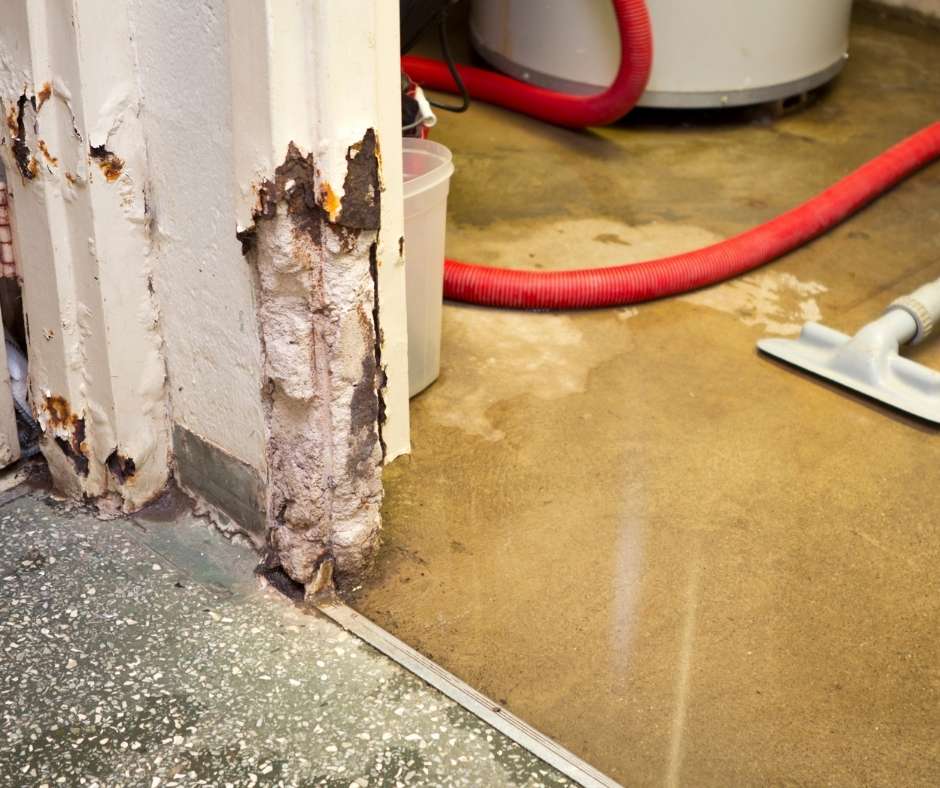
Simultaneously, sorting building materials based on cleanability determines what can be salvaged versus what requires complete disposal. Non-porous items like solid metal fixtures, glass tables, and hard plastic containers undergo deep surface sanitization successfully. Conversely, porous items saturated by unsanitary floodwaters, such as upholstered sofas, plush mattresses, thick rugs, and particleboard cabinetry, absorb dangerous bacteria and sewage pathogens deeply. Consequently, health regulations dictate disposing of these porous items safely to protect long term indoor air quality.
Comparing Salvageable Versus Non-Salvageable Post-Storm Materials
Selecting the proper mitigation strategy for various household items prevents unnecessary replacement costs while safeguarding your living environment against biological contamination.
Material Category | Examples of Items | Contamination Susceptibility | Recommended Action Protocol |
Non-Porous Hard Goods | Tempered glass, stainless steel appliances, solid metal hardware | Low absorption, surface film formation only | Wash thoroughly with EPA registered disinfectant solutions and wipe dry immediately |
Semi-Porous Wood Structures | Oak dining tables, solid timber framing studs, hardwood subfloors | Moderate absorption, risks surface warping if left wet | Extract surface water, apply antimicrobials, and deploy industrial dehumidification systems |
Porous Soft Goods | Upholstered sofas, foam mattresses, plush area rugs, wall insulation | High absorption, rapid microbial growth within twenty four hours | Extract and dispose of safely in heavy duty bags if saturated by floodwaters |
Paper and Valuables | Important legal documents, family photograph albums, delicate artwork | Extreme vulnerability, structural decay occurs rapidly | Freeze delicate paper items immediately to pause bacterial decay before professional restoration |
Partner Up with Clutter Free Service for Exceptional Property Restoration
Managing the overwhelming aftermath of a major storm demands an experienced, hardworking team capable of executing heavy property cleanouts, debris removal, and thorough site preparation smoothly. When you choose to partner with Clutter Free Service, you gain immediate access to dedicated professionals who resolve complex property challenges with unmatched efficiency, safety, and care.
Heavy Debris Hauling and Complete Property Clearouts
Our professional team specializes in the intensive physical labor required after violent storms impact New York properties. We remove heavy fallen tree limbs, wet waterlogged carpets, collapsed ceiling drywall, ruined furniture, and scattered exterior debris efficiently. By taking complete charge of site clearing and disposal logistics, we ensure your building grounds become clean, safe, and fully accessible for reconstruction contractors.
Advanced Floor Refinishing, Repainting, and Deep Sanitization
Clutter Free Service delivers comprehensive property care that goes far beyond basic waste removal. We provide deep environmental sanitization, complete basement clearouts, light structural repairs, and expert hardwood floor sanding, repainting, and refinishing. If storm water damages your interior wooden floors, our skilled craftsmen sand down raised wood grains, apply fresh protective stains, and repaint surfaces to restore original beauty seamlessly.
Respectful, Discreet, and Dependable Customer Care
We understand that navigating post-storm property recovery causes immense stress for home and business owners alike. Therefore, our crews operate with extreme professionalism, speed, and discretion at every stage of the project. We respect your schedule, protect intact structural finishes carefully, and maintain rigid safety standards throughout the entire cleanup process.
FAQ
Why are the first 24 to 72 hours so critical after a major storm in New York?
The first twenty four to seventy two hours represent a vital window because standing water and trapped moisture trigger rapid mold growth and structural timber decay within forty eight hours. Executing prompt water extraction, trash clearouts, and moisture control stops secondary damage from multiplying repair costs exponentially.
What are the main hazards I should watch out for before entering a storm damaged building?
Before stepping inside, you must check for downed high voltage power lines touching wet ground, structural roof sagging, bowing drywall ceilings, sewage contaminated floodwaters, and gas line leaks. If you smell natural gas or observe structural instability, evacuate the area immediately and contact emergency utility services.
Should I clear away fallen tree branches and wet carpet before the insurance adjuster arrives?
Yes, you should take immediate mitigation steps to prevent progressive water damage, provided you photograph everything thoroughly beforehand. Insurance contracts require policyholders to mitigate further damage. Capturing high resolution photos and videos of fallen branches, water levels, and damaged carpets before removal satisfies insurance proof requirements fully.
Can water damaged hardwood floors be saved after a storm event?
Solid hardwood floors can often be salvaged if water extraction occurs rapidly within the first twenty four hours. Once standing water is removed, industrial dehumidifiers dry the wood planks slowly. Afterward, professional technicians sand down residual cupping, refinish the wood grains, and repaint or restain the surface to restore pristine appearance.
What makes professional Storm Cleanup Services in NY superior to doing it myself?
Professional teams bring industrial grade water extraction units, heavy duty debris trucks, commercial HEPA air scrubbers, and specialized timber removal tools that complete massive cleanups in hours rather than weeks. Furthermore, certified specialists understand environmental safety standards, structural drying mechanics, and thorough sanitization protocols.
Reclaim Your Property Safety and Structural Integrity Today
Experiencing severe weather destruction across your real estate presents significant operational challenges, but executing a structured emergency plan restores safety and order effectively. By taking immediate safety precautions, documenting damage exhaustively, isolating salvageable belongings, and securing expert assistance during the initial seventy two hours, you safeguard your real estate investment completely.
When you need reliable Storm Cleanup Services in NY, heavy site clearing, deep environmental sanitization, or professional hardwood floor refinishing, Clutter Free Service stands ready to help you recover. Contact our experienced team today to request a free project estimate and begin restoring your property with complete confidence.