You vacuum the floors, wipe down the countertops, empty every trash can, and finish with a pleasant air freshener. At first glance, everything inside the property appears spotless. Nevertheless, the room still feels subtly uncomfortable to the occupants walking inside. Perhaps there is a lingering odor, an underlying sense that the air lacks true freshness, or remaining anxiety after someone has recently been sick. Although every surface looks immaculate, complete confidence in the surrounding environment is still missing.
This frustrating scenario happens far more often than many homeowners and business owners realize. People frequently use the terms cleaning and sanitizing interchangeably, yet these two processes accomplish very different goals. Routine cleaning focuses entirely on removing visible dirt, dust, and physical debris from surface areas. Sanitization, however, addresses microscopic organisms that remain invisible to the naked human eye. Consequently, a room can look completely pristine while still requiring deeper attention to establish a genuinely healthy indoor space.
Understanding this vital distinction helps property managers, commercial directors, and families make smarter decisions regarding overall building maintenance. Rather than relying on surface appearances alone, you can easily determine when basic tidying suffices and when professional sanitization services in New York are necessary.
The Hidden Gap: Why Looking Clean Is Not the Same as Being Sanitized
Most people naturally judge the overall hygiene of a building using only their eyes. If hardwood floors shine, glass tables sparkle, and furniture sits in proper order, the room instinctively feels well maintained. However, visual appearance tells only a small portion of the complete environmental story.
Invisible microorganisms exist on surfaces long after basic dusting and wiping are complete. Bacteria, viral particles, mold spores, and airborne allergens cannot be detected by simply scanning a room. Therefore, even immaculate spaces can host lingering microbes on high-touch fixtures and overlooked structural corners.
While routine surface cleaning removes visible dust, dirt, and physical clutter using basic soaps and cloths, professional sanitization targets microscopic organisms to actively reduce health risks through hospital-grade products and techniques.
Consider a busy commercial conference room that appears spotless after evening janitorial staff finish their rounds. Despite the clean look, door handles, shared keyboards, light switches, and chair armrests can still harbor microbes transferred during long afternoon meetings. Similarly, a residential living room may seem organized, yet remote controls, cabinet pulls, and appliance handles continuously collect invisible buildup throughout the day. Visual cleanliness and true sanitization represent two entirely different standards of property care.
The Environmental Psychology Behind Unclean Sensory Perceptions
Human brains process environmental safety using subtle sensory inputs that extend far beyond obvious visual clutter. People often enter a room and immediately feel that the space is unclean, even when they cannot point to a specific dirty spot. While lingering odors or poor organization contribute to this reaction, unseen environmental factors heavily influence how comfortable a space feels.
Our subconscious mind evaluates several interconnected environmental cues when deciding if an indoor area is safe and fresh:
- Indoor Air Quality: Stagnant air carrying faint traces of humidity, mildew, old food, or heavy foot traffic signals poor ventilation and hidden buildup.
- Surface Texture and Residue: Sticky fixtures, film on glass, or greasy cabinet handles instantly destroy the perception of a clean environment.
- Light Distribution: Dimly lit corners and shadowy hallways make rooms feel enclosed, dusty, and neglected over extended periods.
- Consistency Across Zones: An immaculate main lobby placed directly next to an unkept restroom creates immediate distrust regarding overall facility hygiene.
- Reassurance in Public Spaces: Occupants feel far more relaxed when they know high-touch surfaces receive professional care after heavy daily use.
When any of these sensory factors fail, occupants naturally feel uncomfortable inside the building. Professional treatments resolve these underlying issues, giving people total peace of mind whenever they step inside.
How Everyday Human Activity Introduces Invisible Contaminants
Keeping an indoor space completely clean is an ongoing challenge because daily human activity constantly introduces fresh contaminants. Every person entering a building carries outside particles on their clothing, footwear, and personal belongings. Shoes track in street dirt, hands transfer microbes to shared fixtures, and incoming delivery packages introduce dust into common areas.
As a result, maintaining a healthy indoor space requires continuous care rather than an occasional surface wipe-down. High-touch surfaces experience repeated physical contact throughout a typical day, making them prime points for microbial transfer.
The cycle begins at the outside entry where shoes and outdoor gear bring in street dirt. From there, hands transfer microbes directly onto high-touch points like switches and handles. Next, multiple users share equipment such as phones, desk surfaces, and keys, allowing invisible microbes to rapidly accumulate across indoor air and surfaces in enclosed spaces.
Door hardware receives constant contact from family members, employees, clients, and maintenance workers. Light switches in busy hallways are flipped dozens of times every morning and afternoon. Kitchen appliances handles experience continuous contact during meal preparation, while shared office printers pass through dozens of hands daily. Routine cleaning removes superficial smudges, but targeted sanitization significantly reduces the invisible microbial load that accumulates from constant human interaction.
High-Risk Surface Zones That Demand Deep Environmental Attention
Not every surface inside a building carries the same level of exposure to everyday contaminants. Specific zones experience much heavier physical use, acting as central transfer points for lingering microbes. These high-risk areas require detailed attention to maintain proper hygiene.
- Entryways and Door Hardware: Exterior doors, panic bars, vestibule handles, and entry keypads experience constant contact from every person entering the building.
- Kitchens and Food Preparation Areas: Countertops, cabinet hardware, refrigerator handles, and faucet levers accumulate food residue and moisture, requiring careful sanitization.
- Restroom Fixtures and Lockers: Flush handles, stall latches, sink faucets, towel dispensers, and vanity counters require strong sanitizing agents due to high humidity and frequent use.
- Shared Office Electronics: Touchscreens, copy machines, conference phones, keyboard trays, and desk surfaces harbor oils and microbes from multiple team members.
- Retail and Checkout Counters: Payment terminals, glass display cases, counter edges, and shopping carts experience non-stop customer contact throughout business hours.
Focusing professional attention on these high-contact points helps break the cycle of surface transfer. Protecting these critical areas ensures the entire facility remains safer and more pleasant for everyone.
Critical Scenarios Where Basic Cleaning Falls Short
While daily sweeping and dusting are vital for property upkeep, certain events demand a much deeper sanitizing solution. Hiring professional sanitization services in New York becomes essential when environmental health risks increase due to specific events or heavy usage.
1. Following Viral or Bacterial Illness
When a family member or employee recovers from a contagious illness, standard cleaning wipes are often not enough. Comprehensive sanitization gives property owners total confidence that shared surfaces are properly treated before normal daily routines resume.
2. High-Traffic Commercial Operations
Retail storefronts, customer service centers, and busy restaurants experience non-stop foot traffic. Applying commercial-grade sanitizing treatments between busy shifts keeps facilities fresh and protects both staff and visiting customers.
3. Seasonal Health Fluctuations
During seasonal health shifts, absenteeism can disrupt workplace productivity and family schedules. Increasing your property’s sanitization routine during these periods provides an extra layer of protection when indoor spaces are closed up tight.
4. Property Transitions and New Occupancy
Welcoming new tenants into an apartment, preparing a commercial space for lease, or moving into a newly renovated home requires a fresh baseline. Full-scope sanitization removes lingering traces left behind by previous occupants or construction crews.
Upgrading from standard cleaning to deep sanitization is particularly vital during post-illness recoveries, cold weather health shifts, tenant move-ins, post-renovation dust cleanups, and high-volume commercial operations. Addressing these high-risk scenarios with specialized care prevents minor cleanliness concerns from turning into major disruptions. Proper treatment restores confidence in the overall safety of your environment.
Why Advanced Equipment and Expert Protocols Yield Better Results
Attempting to sanitize a large space using store-bought spray bottles often yields inconsistent results. Effective sanitization requires a clear understanding of product chemistry, proper dwell times, and material compatibility. Applying the wrong product can damage sensitive surfaces, while wiping a disinfectant off too quickly prevents it from working effectively.
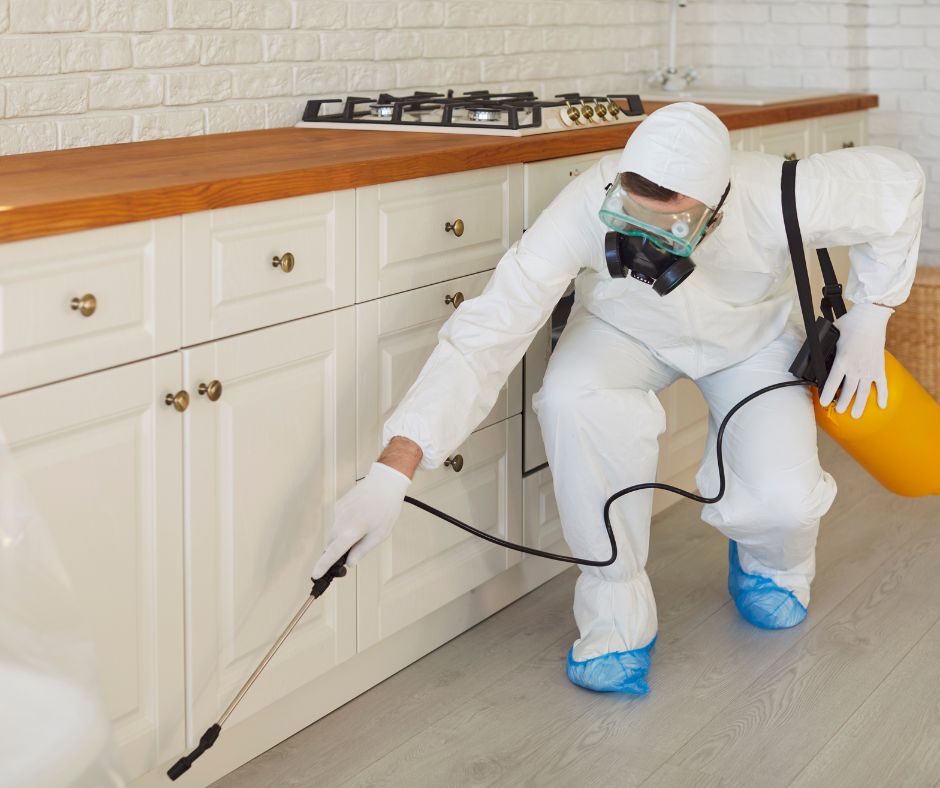
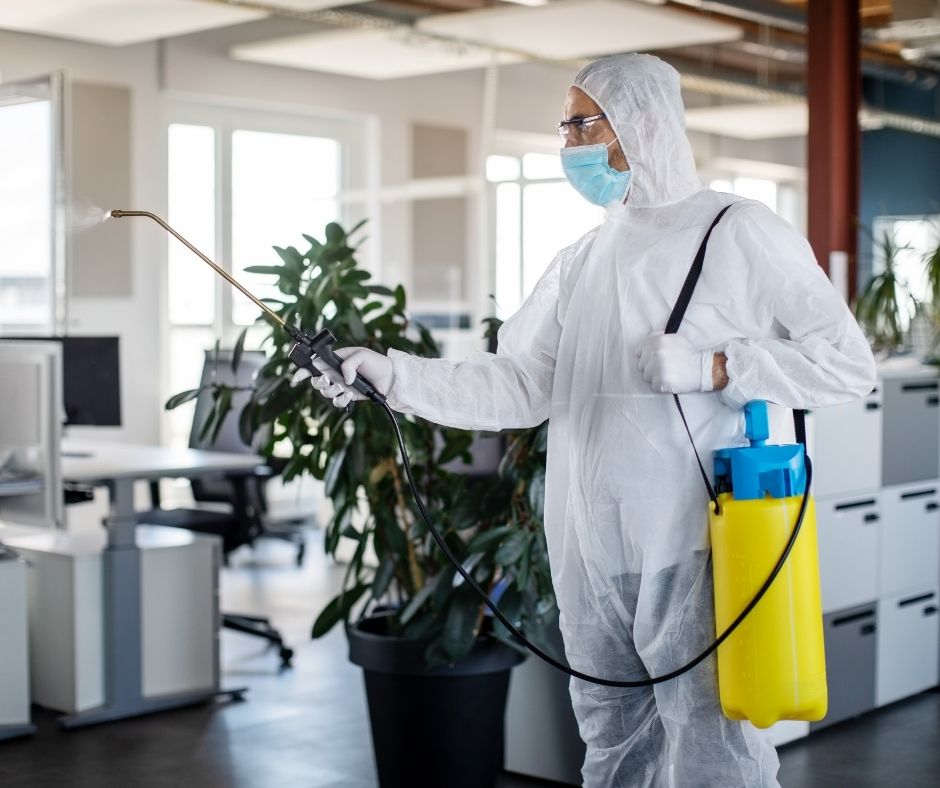
Trained technicians use commercial-grade application equipment, such as electrostatic sprayers and fogging systems, to distribute sanitizing solutions evenly across complex surfaces. Electrostatic sprayers emit a charged mist that naturally wraps around fixtures, providing complete coverage on the front, back, and hidden crevices of items while maintaining the optimal dwell time needed to neutralize microbes.
Furthermore, certified experts follow structured protocols that ensure no high-touch surface is overlooked. Technicians systematically treat entry points, overhead fixtures, wall switches, and hidden touch points. This methodical approach delivers a uniform level of hygiene throughout the entire facility.
Restoring Total Confidence Across Diverse Building Types
Every type of building faces unique environmental challenges based on its layout and daily foot traffic. Whether managing a bustling commercial office or maintaining a private family residence, occupants need to feel entirely secure inside the space. Investing in professional sanitization services in New York helps build that trust across various real estate sectors.
Commercial Offices and Corporate Suites
Employees spend long hours together in shared spaces, sharing conference rooms, breakroom appliances, and restrooms. Routine professional sanitization maintains a fresh workplace environment, boosts team morale, and demonstrates a clear commitment to staff wellness.
Educational Facilities and Daycare Centers
Children constantly interact with shared desks, classroom toys, books, and play structures. Applying safe, effective sanitizing treatments supports a cleaner learning environment for students, teachers, and visiting parents alike.
Healthcare Clinics and Medical Spaces
Waiting rooms, reception desks, and examination areas require rigorous hygienic care due to high patient turnover. Professional sanitization complements daily janitorial routines, keeping these critical spaces fresh and welcoming.
Residential Apartments and Private Homes
Homes benefit greatly from periodic sanitization, especially after hosting large gatherings, undergoing interior renovations, or dealing with seasonal sickness. Treating high-contact household zones provides families with an ultra-clean living space.
The Strategic Power of Scheduled Maintenance Over One-Time Cleaning
A common misconception is that sanitization is only necessary after a major viral outbreak or contamination event. In reality, establishing a scheduled sanitization routine offers far greater long-term value for any property owner.
Regularly scheduled sanitization prevents hidden microbial buildup from accumulating over time. Proactive, scheduled sanitization moves your space from a baseline clean to a consistently fresh environment. Conversely, relying on reactive one-time cleanings allows microbes and odors to build up until emergency cleanup is needed.
Consistent environmental care also saves business managers significant time and stress. Facilities stay ready for unexpected client visits, corporate audits, and seasonal foot traffic surges without requiring last-minute emergency cleanups. Continuous upkeep remains the most reliable path to a healthier indoor environment.
How Clutter Free Service Delivers Unmatched Environmental Solutions
Maintaining a clean and healthy indoor environment involves far more than basic surface dusting. While standard cleaning removes everyday surface dirt, challenging property conditions demand specialized care that restores complete confidence in your home or business.
At Clutter Free Service, we deliver comprehensive, top-tier solutions tailored to your unique building requirements. Our expert team utilizes specialized equipment and hospital-grade products to eliminate hidden contaminants and stubborn odors. We carefully treat high-touch surfaces, shared employee areas, and hard-to-reach corners, ensuring your space receives thorough, detailed attention.
Beyond expert sanitization, Clutter Free Service offers a full suite of specialty property care solutions across New York, including:
- Professional Deep Cleaning: Detailed surface scrubbing, kitchen degreasing, and complete building sanitation.
- Heavy Decluttering and Organization: Clearing out crowded rooms, living areas, and storage spaces to restore functional layouts.
- Full-Service Junk Removal: Fast, eco-friendly haul-away of old furniture, appliances, debris, and unwanted household items.
- Specialized Biohazard and Odor Remediation: Advanced removal of severe biological messes, mold odors, cigarette smoke, and pet smells.
Whether you need to refresh a busy commercial office, prepare a rental unit for new tenants, or restore a home after a major life event, Clutter Free Service provides fast, compassionate, and reliable support. We take care of the heavy lifting and technical work, allowing you to enjoy an ultra-clean, healthier environment.
Moving Beyond Visual Cleanliness to Genuine Peace of Mind
True cleanliness is never measured by visual appearance alone. While polished floors and tidy countertops create a positive first impression, true environmental health relies on treating the invisible elements that simple dusters leave behind.
Integrating scheduled sanitization with your regular cleaning routine bridges the gap between looking tidy and being genuinely clean. Treating high-touch fixtures, high-traffic hallways, and shared airspaces removes lingering odors and microscopic buildup, turning your property into a healthier place to live and work.
As daily foot traffic continuously introduces new contaminants into your property, taking a proactive approach to environmental care is essential. Partnering with professional sanitization services in New York ensures every room in your building receives the expert attention it deserves.
When you walk through your front door or open your business for the day, you deserve total confidence in your surroundings. Moving beyond surface-level cleaning creates an environment that looks pristine, smells fresh, and feels truly clean for everyone who steps inside.