Smoke Damage Cleanup in NYC
Restoring health, purity, and structural integrity to your space long after the smoke clears.
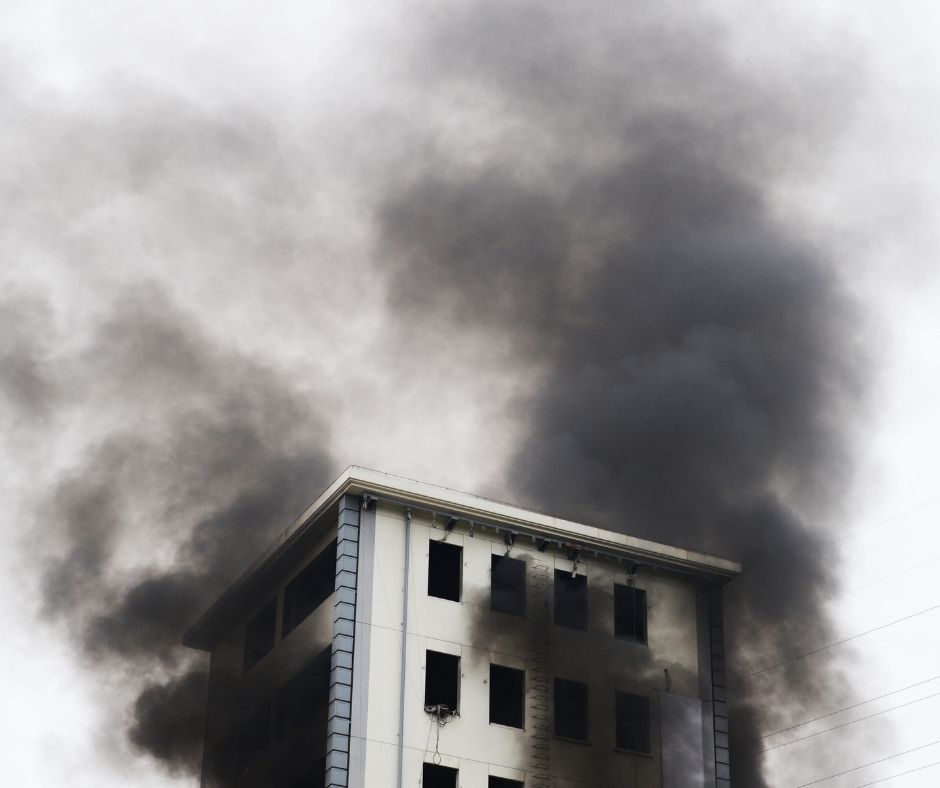
When a fire breaks out in a New York building, property owners naturally focus on the visual destruction left behind by direct flames. However, actual physical fire represents only a fraction of the total structural damage. Indeed, smoke behaves as an aggressive, pressurized gas that travels far beyond the initial ignition zone. Even if flames remain isolated to a single kitchen stove or localized electrical outlet, airborne smoke rapidly fills distant hallway corridors, upstairs bedrooms, adjacent apartments, and shared utility shafts.
Consequently, rooms that never experience a single spark often suffer severe indoor contamination. As hot smoke rises and migrates toward cooler zones, it deposits micro-particles across every exposed surface. Furthermore, the synthetic materials found inside modern apartments, such as polyurethane foam, plastic laminates, and synthetic textiles, produce highly toxic, corrosive soot when burned. Understanding why pristine-looking areas still harbor toxic pollutants is essential before beginning any comprehensive recovery project.
How Smoke Travels and Traps Itself Inside Buildings
Smoke movement inside multi-story residential and commercial buildings follows predictable thermodynamic patterns. Because heat expands air, the intense thermal energy from a fire creates high atmospheric pressure inside the affected zone. This pressure difference pushes superheated smoke through the smallest building openings, including recessed light fixtures, electrical outlet boxes, baseboard gaps, and central ventilation systems.
Additionally, urban structures frequently create a stack effect, which draws airborne currents upward through elevator shafts and stairwells. Therefore, a minor localized incident on a lower floor can easily contaminate upper levels with heavy soot deposits. As smoke travels away from the heat source, it rapidly cools down. Once cooled, these airborne particles settle onto walls, ceilings, furniture, and flooring, embedding sticky, acidic residues into every surface they touch.
To systematically address this migration, recovery specialists monitor four distinct steps during site evaluations:
- Thermal Pressure Generation: Extreme heat creates rapid expansion, forcing pressurized smoke into wall voids and ductwork.
- Upward Stack Effect: Natural vertical airflow pulls smoke currents upward through stairwells and utility shafts.
- Cooling and Deposition: As gases cool, acidic micro-particles settle onto cooler surfaces, finishes, and porous goods.
- Deep Material Absorption: Microscopic soot particles penetrate drywall, unsealed timber framing, and soft fabrics.
The Hidden Mechanics of Soot Deposition and Surface Degradation
Soot is not merely unsightly black dust. On the contrary, it consists of microscopic carbon particles saturated with acidic chemical compounds, tar, and volatile organic substances. When these fine particles settle on interior surfaces, chemical reaction processes begin immediately.
Acidic Etching on Metals and Glass
Because burning synthetic materials release hydrochloric and sulfuric acid vapors, soot carries a surprisingly low pH level. Consequently, when acidic soot remains on chrome fixtures, brass door handles, glass mirrors, or stainless steel appliances, it causes permanent pitting, tarnishing, and etching within hours. Prompt application of neutralizing washes remains essential to prevent permanent cosmetic destruction.
Discoloration on Painted Walls and Plastics
Similarly, synthetic paints, vinyl wall coverings, and plastic consumer electronics absorb oily soot compounds rapidly. In particular, yellowing and dark smudging occur when unqualified cleaners attempt to wipe down walls using standard household detergents. Using water-based solutions on oily soot creates a permanent stain by smearing acidic oils deeper into paint pores.
Contamination of Interior HVAC Ductwork
Furthermore, central heating and air conditioning systems act as distribution highways for smoke particles. When an HVAC blower operates during or immediately after a fire, it pulls soot through return vents and lines the inside of duct walls with thick, toxic film. Thereafter, every time the heating or cooling system turns on, it circulates invisible particulates and burnt odors throughout the entire building.
Understanding Porous Materials and Persistent Odor Retention
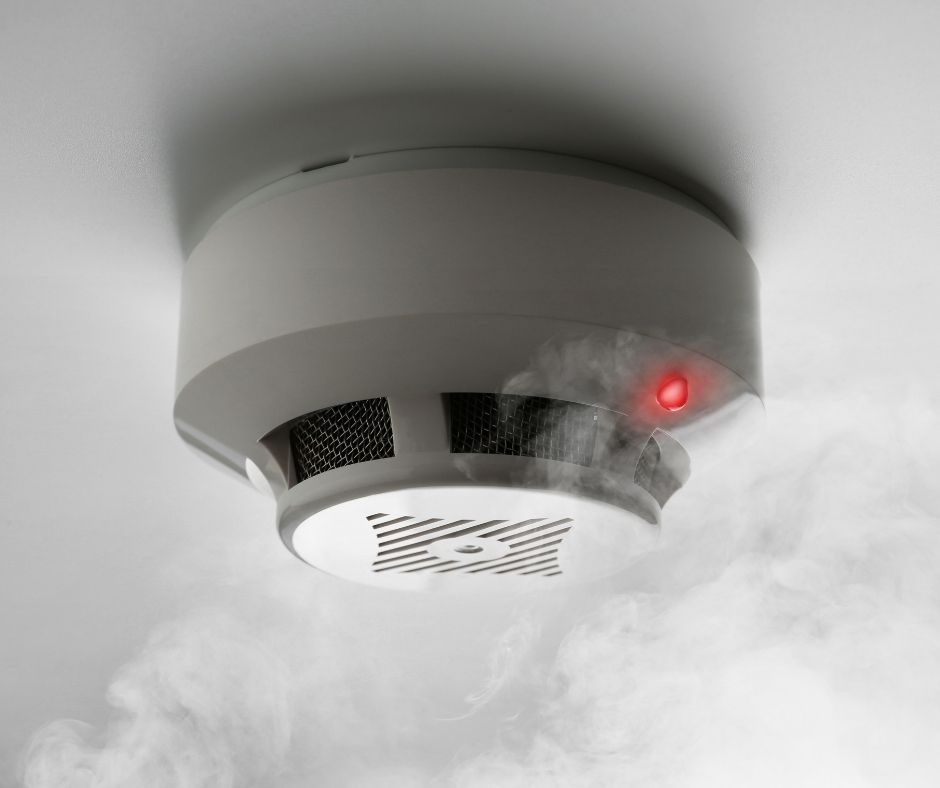
A primary reason smoke damage proves so persistent stems from the microscopic porosity of common building materials. Unsealed wood, gypsum drywall, concrete blocks, carpet fibers, and upholstered furniture contain millions of tiny air pockets. During a fire, expanding hot air forces gaseous smoke deep into these porous structures.
As the building cools down, those porous materials contract, effectively trapping smoke molecules and volatile organic compounds inside their internal matrix. Consequently, simple surface cleaning fails to eliminate lingering smells. While a room may look visually clean, changes in ambient temperature and indoor humidity cause trapped smoke molecules to expand and off-gas back into the room. Therefore, executing specialized Smoke Damage Cleanup in NYC requires deep molecular neutralization rather than superficial surface masking.
Emergency Action Checklist Following a Smoke Incident
To safeguard your health and simplify your upcoming insurance claim, follow these essential steps immediately after emergency personnel clear your site.
- Avoid Entering Unventilated Spaces: Refrain from spending time inside heavily affected rooms until professional air scrubbers improve indoor air quality.
- Refrain from Running Central HVAC Systems: Keep heating and cooling systems turned off to prevent pulling soot into clean ductwork and spreading contaminants to unaffected areas.
- Document All Surface Damage: Take clear, high-resolution photos and videos showing soot patterns, discolored walls, and damaged contents before touching or moving items.
- Avoid DIY Wiping Attempts: Do not attempt to wipe down walls or ceilings with household sponges, as dry wiping smears oily soot deeper into wall paint and wallpaper.
- Contact Certified Specialists for Smoke Damage Cleanup in NYC: Hire an experienced remediation team to set up negative air pressure, execute deep surface cleaning, and neutralize lingering odors safely.
Comparing Different Types of Smoke and Soot Residues
To select the proper chemical agents and cleaning techniques, restoration specialists must evaluate the specific burn conditions. Different fuel sources generate distinct types of soot, each requiring a specialized remediation strategy.
Smoke Type | Primary Fuel Source | Residue Characteristics | Remediation Approach |
Dry Smoke Residue | Natural wood, paper, fast-burning high-heat fuels | Small, powdery, non-smearing carbon particles | Dry chemical sponge wiping, HEPA vacuuming, light alkaline cleaning |
Wet Smoke Residue | Plastics, rubber, synthetic textiles, low-heat smoldering fires | Sticky, smeary, highly pungent, dark oily films | Specialized solvent degreasers, thermal fogging, deep abrasive cleaning |
Protein Smoke Residue | Evaporated kitchen grease, burnt meats, organic food items | Invisible varnish-like film, extreme pungent odor, discolors paint | Enzymatic neutralizing washes, ozone gas treatment, deep degreasing |
Fuel Oil Soot | Furnace puff-backs, petroleum-based heating fuels | Heavy greasy black soot, dense particle dispersion throughout space | Industrial solvent washes, media blasting, HVAC duct encapsulation |
By identifying the precise chemical composition of the residue, certified technicians ensure that cleaning protocols lift contaminants effectively without damaging underlying structural finishes.
The Step-by-Step Process of Professional Smoke Damage Cleanup in NYC
Achieving complete property restoration requires a systematic, multi-phase approach. Skipping any single step leads to lingering health hazards and recurring odor issues.
- Phase 1: Containment and Air Filtration: Technicians establish negative air pressure zones and set up industrial HEPA air scrubbers to capture airborne particles instantly.
- Phase 2: Dry Soot Removal and Surface Decontamination: Crews utilize specialized dry chemical sponges and HEPA vacuums to lift loose particulates without smearing them into finishes.
- Phase 3: Molecular Deodorization: Specialists apply thermal fogging and hydroxyl generators to neutralize trapped smoke gases at the molecular level.
- Phase 4: Structural Sealing and Final Testing: Technicians coat exposed timber framing with vapor-barrier sealants before reconstruction crews begin rebuilding.
Detailed Methods for Eliminating Lingering Smoke Odors
Eliminating stubborn smoke odors requires advanced technology designed to target contaminants at the molecular level. Standard air fresheners or light cleaning solutions simply cannot resolve deep-seated odor issues.
1. Thermal Fogging Applications
Thermal fogging units heat petroleum-based deodorizing solvents, creating a dense, fine mist containing micro-droplets. Because these droplets match the exact particle size of original smoke, the fog follows the identical migration paths taken by the fire gases. Consequently, the neutralizer penetrates deep into wall cavities, floor joists, and ceiling voids, binding directly with trapped smoke molecules to permanently neutralize them.
2. Hydroxyl and Ozone Oxidation Generators
In addition to thermal fogging, specialists utilize industrial hydroxyl generators and ozone machines. Hydroxyl generators use ultraviolet light wavelengths to produce natural hydroxyl radicals. These reactive molecules break down the chemical bonds of volatile organic compounds without harming sensitive interior furnishings or requiring building evacuation. Meanwhile, ozone generators convert ambient oxygen into reactive ozone gas, which oxidizes odor-causing compounds inside porous substrates.
3. Vapor-Barrier Encapsulation
Occasionally, structural framing timber absorbs smoke so deeply that total chemical removal becomes impossible. In such scenarios, technicians apply specialized vapor-barrier sealants directly to exposed wall studs, roof rafters, and subfloors. These heavy-duty shellac or acrylic coatings lock lingering particles inside the timber, preventing future off-gassing and creating a clean slate for new drywall installation.
Managing Belongings, Furniture, and Textiles After Smoke Exposure
In addition to structural elements, smoke affects personal property, clothing, upholstered furniture, and business assets. Managing these items demands careful sorting and specialized cleaning protocols.
Inventory and Assessment
First, restoration experts evaluate every item based on sentimental value, replacement cost, and cleanability. Hard items made of non-porous glass or metal usually undergo complete decontamination. Conversely, soft goods like mattresses or plush toys exposed to heavy synthetic smoke are often recommended for safe disposal due to health risks.
Advanced Textile Decontamination
Furthermore, clothing, drapery, and soft textiles require specialized care. Standard residential washing machines often set smoke odors permanently into fabrics. Instead, technicians utilize specialized ozone laundering and dry cleaning processes that release trapped soot particles without damaging delicate fibers.
Partner Up with Clutter Free Service for Total Property Recovery
Tackling the complex aftermath of a property disaster requires a dependable, hardworking team capable of handling heavy clearing, deep sanitization, and site prep work smoothly. When you choose to partner with Clutter Free Service, you receive immediate access to experienced professionals who manage challenging cleanups with maximum efficiency, care, and expertise.
Heavy Debris Removal and Property Clearouts
Our dedicated team excels at the intensive labor necessary following property emergencies. We safely remove ruined furniture, soot-damaged wallboard, waterlogged carpets, and heavy structural debris. By handling all disposal logistics and heavy lifting, we ensure your building is cleared out and completely ready for reconstruction contractors without unnecessary delays.
Specialized Deep Sanitization and Surface Refinishing
Clutter Free Service offers comprehensive care that goes far beyond basic junk removal. We provide deep environmental sanitization, basement and attic clearouts, light structural repairs, and expert hardwood floor refinishing and repainting. Whether your wooden floors require sanding and repainting after a disaster or your commercial unit requires deep surface decontamination, our team manages the entire project under one roof.
Respectful, Discreet, and Reliable Service
We recognize that property cleanouts often occur during stressful, emotional times. Therefore, our crews conduct every project with total professionalism, respect, and privacy. We offer unmarked service vehicles upon request and maintain strict safety standards on every job site, guaranteeing your peace of mind from start to finish.
FAQ
Why is Smoke Damage Cleanup in NYC necessary if flames never reached certain rooms?
Smoke behaves as a pressurized gas that moves rapidly through wall cavities, utility chases, and ductwork into unburned spaces. As it travels, smoke deposits microscopic, acidic soot particles and toxic chemicals onto surfaces far away from the fire origin. Professional cleanup removes these hidden health hazards and stops acidic etching on finishes.
Can I clean soot off my walls using standard household detergents?
Cleaning soot with regular household soap or water often worsens the damage. Water causes oily soot from burning synthetic plastics to smear, forcing acidic pigments deeper into porous drywall and paint. Professional technicians use dry chemical sponges, specialized solvent degreasers, and HEPA vacuums to lift soot without staining.
How long does the smoke odor removal process take?
The duration depends on the property size, smoke density, and materials involved. Generally, structural deodorization takes between two to five days. Utilizing commercial hydroxyl generators, thermal fogging, and HEPA air scrubbers accelerates the process while ensuring trapped odor molecules are completely neutralized.
Is airborne soot dangerous to inhale after the fire is out?
Yes, airborne soot contains fine particulates loaded with toxic chemicals, heavy metals, and volatile compounds. Inhaling these micro-particles can irritate respiratory systems, trigger asthma attacks, and cause long-term health complications. Professional remediation teams utilize negative air machines and industrial HEPA filtration to purify indoor air safely.
Does property insurance cover professional smoke damage remediation?
Most standard commercial and homeowners insurance policies cover professional smoke remediation, odor elimination, structural cleaning, and content pack-out services. Working with experienced cleanup specialists who provide itemized reporting, photo documentation, and direct insurance billing streamlines the claims process significantly.
Reclaim Your Space and Rebuild with Confidence
Experiencing a smoke incident inside your home or commercial building presents complex challenges, but proper remediation restores your environment completely. By acting quickly and trusting certified experts who understand smoke migration, surface chemistry, and molecular deodorization, you protect your physical structure, safeguard occupant health, and ensure a clean, healthy space for the future.
When you require professional support for Smoke Damage Cleanup in NYC, heavy site clearing, deep sanitization, or floor refinishing, Clutter Free Service stands ready to assist you. Contact our knowledgeable team today to discuss your project, receive a straightforward quote, and take your first major step toward total property restoration.