Water Damage Debris Removal in New York
Clearing away flood-ruined materials quickly so your property can dry, heal, and rebuild safely.
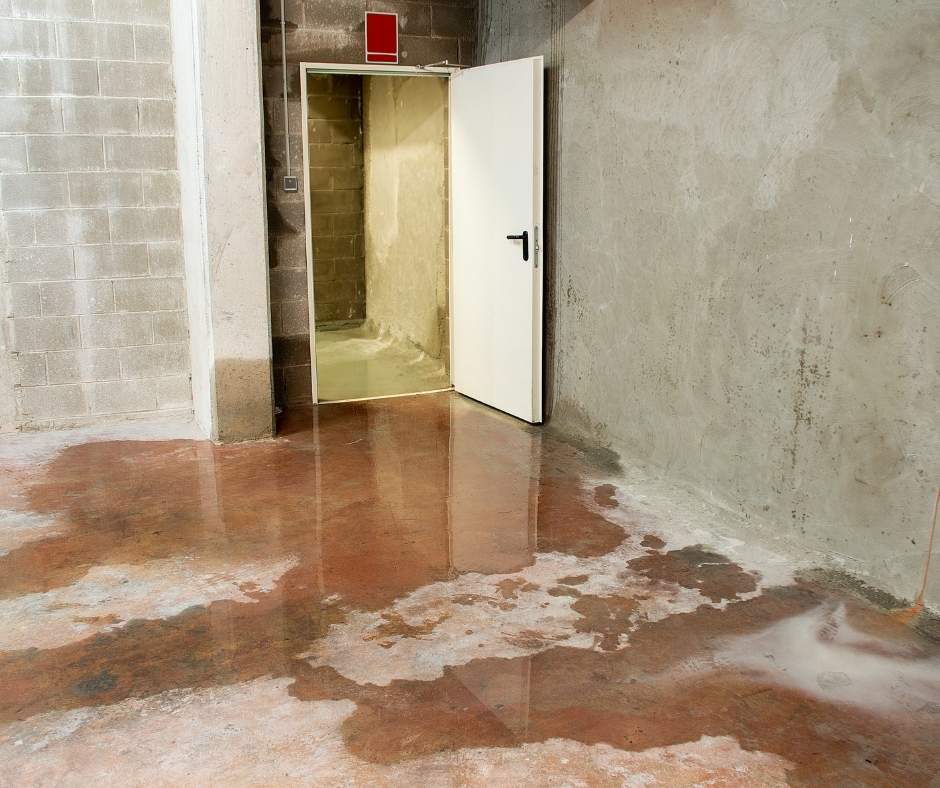
When heavy rain, burst pipes, or storm surges inundate a building, property owners naturally focus on pumping out standing liquid. Water extraction pumps do a fantastic job of removing visible pools of fluid from floors. However, extracting standing water is merely the initial step in a much larger recovery process.
Once the powerful pumps turn off and depart, a massive, soggy mess remains behind. Water penetrates deep into building assemblies, swelling wooden subflooring and saturating interior wall cavities. Consequently, your property holds hundreds of pounds of ruined, waterlogged materials that retain moisture like a giant sponge.
At this exact stage, the true work of structural recovery begins. Leaving damp, ruined items inside a building severely delays drying efforts and accelerates environmental decay. Therefore, understanding the necessity of prompt clearing helps you safeguard your physical structure and protect occupant health.
Why Debris Removal Differs Completely from Water Pumping
Many property managers mistakenly assume that drying equipment alone can save fully saturated building components. On the contrary, water extraction and material disposal represent two distinct disciplines within disaster mitigation.
Pumping removes loose surface liquid using vacuum pressure. Conversely, debris removal requires manual demolition, selective structural stripping, and systematic hauling of ruined construction materials. While extraction equipment addresses liquid volume, physical clearing targets the contaminated, unsalvageable solid waste that traps moisture against structural framing studs.
Furthermore, waterlogged building elements rapidly lose their structural integrity. Gypsum drywall crumbles into wet paste, while fiberglass insulation compresses into a heavy, soggy blanket. Removing these degraded materials by hand is essential because mechanical pumps simply cannot extract fluid that is chemically or physically bound within porous, ruined solids.
The Hidden Dangers of Leaving Water-Soaked Materials Inside Your Property
Allowing soggy carpets, wet drywall, and ruined furniture to sit inside a building creates serious, long-term complications. Even with commercial air movers running continuously, saturated materials unleash several destructive forces across the interior environment.
Rapid Mold Colonization and Spore Dispersal
Mold spores exist naturally in indoor air, requiring only moisture and organic food sources to thrive. Because wet drywall paper, wooden baseboards, and carpet padding provide ideal nutrients, mold colonies start forming within 24 to 48 hours. As a result, leaving saturated materials inside turns your property into an active breeding ground for microbial growth.
Structural Rot and Framing Degradation
Water travels upward through porous building materials via capillary action. When wet wallboard remains attached to timber studs, moisture continuously transfers into structural framing. Over time, trapped water rots wooden joists, rusts metal fasteners, and compromises the structural capacity of load-bearing walls.
Trapped Contaminants and Health Hazards
Floodwaters frequently carry sewage, agricultural runoff, heavy metals, and industrial chemicals. As wet materials absorb this fluid, toxic pathogens settle deep into porous fibers. Consequently, keeping contaminated items indoors exposes building occupants to hazardous bio-contaminants and persistent foul odors.
Step-by-Step Breakdown of Water Damage Debris Removal in New York
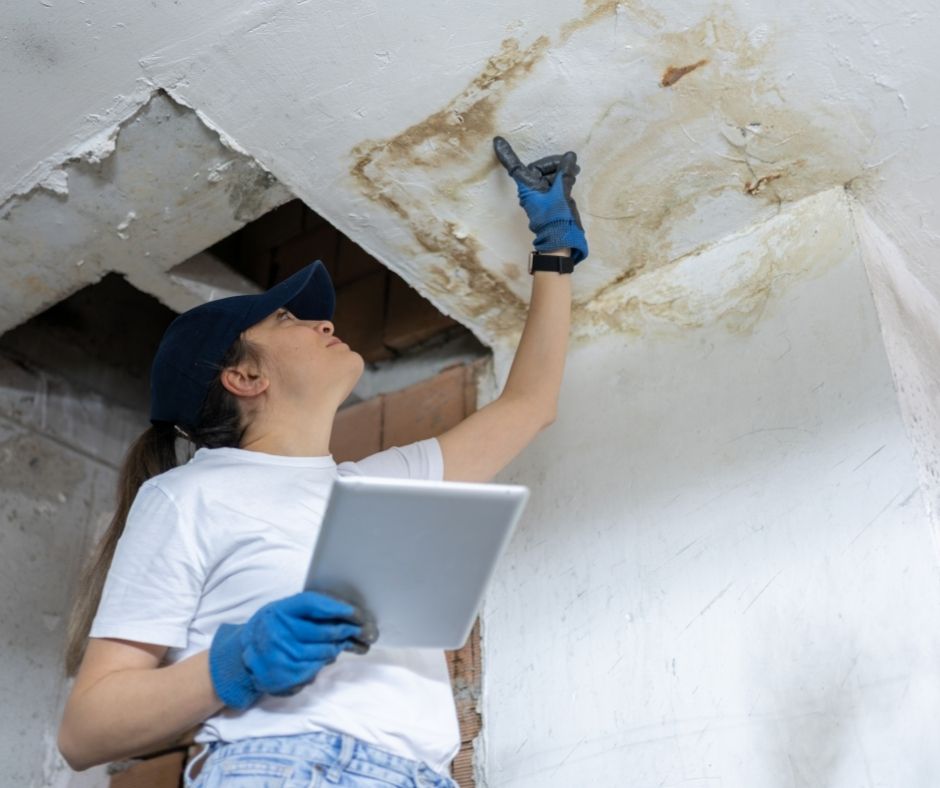
Executing proper Water Damage Debris Removal in New York demands a disciplined, methodical approach to ensure safety and prevent secondary contamination.
Mitigation Stage | Primary Objectives | Typical Materials Handled | Key Operational Tools |
Stage 1: Hazard Assessment | Identifying structural stability, utility risks, and water contamination category | Electrical wiring, gas lines, biohazard category evaluation | Moisture meters, voltage testers, personal protective gear |
Stage 2: Selective Demolition | Cutting away ruined wallboard and pulling up saturated flooring | Wet drywall, swollen baseboards, soaked carpet, ruined underlayment | Utility knives, pry bars, reciprocating saws, HEPA vacuums |
Stage 3: Debris Sorting & Hauling | Bagging contaminated waste and hauling items for eco-friendly disposal | Saturated insulation, ruined furniture, water-logged trash | Heavy-duty disposal bags, wheelbarrows, commercial hauling trucks |
Stage 4: Structural Prep | Washing exposed studs and preparing framing for industrial dehumidification | Exposed wood framing, concrete subfloors, masonry foundation | Antimicrobial sprays, stiff wire brushes, air scrubbers |
By moving sequentially through these structured steps, technicians eliminate hidden pockets of moisture and clear a safe path for structural drying equipment.
Emergency Action Checklist Following Water Inundation
To protect your safety and simplify your upcoming insurance claim, follow this practical checklist immediately after floodwaters recede.
- Ensure Electrical Safety First: Shut off main power breakers to affected areas before stepping into damp rooms or handling submerged equipment.
- Photograph Every Affected Area: Take extensive, high-resolution photographs and videos showing wet structural components, ruined furniture, and waterlines on walls before clearing begins.
- Notify Your Insurance Carrier: Contact your insurance agent immediately to report the loss, initiate your claim, and request an adjuster visit.
- Avoid Attempting DIY Demolition Unprepared: Refrain from cutting into walls or pulling electrical fixtures without proper personal protective equipment, as hidden hazards like asbestos or live wires may exist.
- Schedule Professional Water Damage Debris Removal in New York: Hire an experienced team to strip away ruined building materials, clear out trash, and prepare structural framing for commercial drying.
Removing Soaked Building Components: Drywall, Flooring, and Insulation
To achieve complete structural drying, technicians must strip away materials that impede airflow. Different building elements require specific removal techniques to ensure clean demolition.
Drywall and Wall Cavity Stripping
Gypsum drywall absorbs water like a wick, carrying moisture far above the visible waterline. Technicians execute flood cuts by measuring twelve to twenty-four inches above the highest wet point and slicing clean, straight lines across the wallboard. Removing this lower section exposes wet insulation inside wall cavities and allows fresh air to circulate directly around damp timber studs.
Flooring and Underlayment Extraction
Carpet padding retains massive quantities of fluid and rarely dries successfully after exposure to contaminated water. Therefore, crews cut saturated carpets into manageable strips, roll them tightly, and pull up non-salvageable underlayment pads. Furthermore, swollen laminate flooring and buckled hardwood planks must be pried up to expose concrete or plywood subfloors underneath.
Insulation Disposal
Fiberglass batts and blown-in cellulose insulation trap water against structural framing for weeks if left undisturbed. Because compressed wet insulation loses its thermal rating completely and harbors microbial growth, technicians pull down every square foot of damp insulation, seal it in heavy-duty disposal bags, and haul it off site immediately.
How Debris Removal Enables Seamless Restoration and Reconstruction
Structural restoration cannot commence on a dirty foundation. Thorough physical clearing serves as the vital bridge connecting initial emergency extraction to final rebuild efforts.
First, removing ruined materials opens up hidden structural pathways. Once damp wallboard and insulation are gone, restoration teams gain direct visual access to electrical conduits, plumbing lines, and structural framing. This visibility allows inspectors to verify structural integrity and pinpoint hidden leaks accurately.
Second, clearing out clutter dramatically improves industrial drying efficiency. Commercial dehumidifiers and air movers function best when air flows freely across exposed concrete subfloors and timber studs. Eliminating solid obstacles allows drying equipment to evaporate bound moisture in a fraction of the time.
Finally, proper clearing creates a sanitary canvas for reconstruction contractors. Builders cannot safely install new drywall, fresh insulation, or finished flooring over damp, contaminated materials. By leaving behind a clean, disinfected framework, demolition crews hand over a safe project site ready for immediate rebuilding.
Managing Damaged Personal Property and Belongings
In addition to structural elements, water inundation destroys personal belongings, commercial inventory, and interior furnishings. Handling these contents requires a structured sorting methodology.
Categorizing Salvageable Versus Unsalvageable Items
Technicians evaluate damaged property based on porosity and water contamination levels.
- Non-Porous Hard Goods: Items made from solid glass, metal, hard plastics, and glazed ceramics undergo thorough washing, sanitizing, and complete recovery.
- Semi-Porous Wood Furniture: Solid wood tables and cabinets with minor water contact often undergo drying, sanding, and refinishing to restore original beauty.
- High-Risk Porous Belongings: Cushioned mattresses, upholstered sofas, paper documents, stuffed toys, and particleboard furniture absorb toxic fluids quickly and usually require safe disposal.
Documentation for Insurance Claims
Before hauling ruined belongings away, property owners must document every item for insurance reimbursement. Taking clear photos, recording serial numbers, and compiling an itemized inventory list ensures your adjuster processes content claims accurately without unexpected delays.
Partner Up with Clutter Free Service for Total Property Recovery
Tackling the overwhelming mess after a major flooding event requires a dedicated, hardworking team that handles heavy hauling, deep clearing, and physical property prep efficiently. When you choose to partner with Clutter Free Service, you receive rapid, comprehensive assistance tailored to your exact property needs.
Heavy Hauling and Complete Material Disposal
Our experienced crews excel at the labor-intensive work required after water disasters. We remove heavy waterlogged carpets, tear out ruined drywall, carry away damaged furniture, and haul bulk debris directly from your site. By managing all heavy lifting and disposal logistics, we relieve your stress and clear your space rapidly.
Multi-Service Cleaning, Sanitization, and Flooring Renewal
Clutter Free Service provides far more than standard trash removal. We offer specialized deep sanitization, attic and basement clearouts, light property repairs, and expert wood floor repainting and refinishing. Whether your wooden floors require sanding and repainting post-cleanup or your commercial unit needs deep surface clearing, our multi-talented team completes the entire job under one roof.
Respectful, Discreet, and Professional Execution
We understand that dealing with property damage causes significant emotional and physical strain. Therefore, our crews operate with maximum respect, professionalism, and discretion. We offer unmarked service vehicles upon request and maintain strict safety standards across every project, ensuring your total peace of mind from start to finish.
FAQ
Why is Water Damage Debris Removal in New York necessary if I already pumped out the water?
Water extraction pumps only remove standing liquid pool volume. Pumping cannot extract moisture trapped inside wet drywall, carpet padding, or fiberglass insulation. Physical debris removal eliminates these waterlogged solids, allowing structural framing to dry completely and preventing hidden mold growth.
How quickly must wet drywall and insulation be removed from a building?
Wet drywall and insulation should ideally be removed within 24 to 48 hours after water exposure. Mold spores colonize wet organic building materials rapidly within this timeframe. Prompt stripping prevents microbial growth from spreading into unaffected structural framing.
Can water-damaged carpets and padding be saved with drying equipment?
In most flood situations, carpet padding must be discarded because it retains water and bacteria like a dense sponge. While high-end synthetic carpets exposed to clean pipe leaks can occasionally be disinfected and dried, carpets saturated by storm runoff or sewage water must be removed and thrown away for health reasons.
What should I do with ruined personal belongings before the cleanup team arrives?
You should leave ruined items in place until you take detailed photos and video records for your insurance adjuster. Once documented properly, move small salvageable items to a dry area and allow certified professionals to haul away heavy, contaminated waste safely.
How does proper material clearing help speed up structural drying?
Removing dense, wet obstacles like wallboard and flooring exposes damp wooden studs and concrete subfloors directly to surrounding air. This direct exposure allows commercial air movers and dehumidifiers to pull moisture out of structural framing significantly faster.
Reclaim Your Property and Rebuild with Confidence
Overcoming a serious water intrusion event can feel overwhelming, but clearing away ruined materials provides a fresh starting point for your property. By taking swift, decisive action and relying on seasoned specialists who understand the mechanics of structural clearing, you protect your building foundation, safeguard occupant health, and ensure a seamless transition to final reconstruction.
When you require professional support for Water Damage Debris Removal in New York, heavy trash hauling, deep sanitization, or floor refinishing, Clutter Free Service stands ready to assist you. Contact our knowledgeable team today to discuss your project, request a straightforward quote, and take your first major step toward total property restoration.