When people hear the term “biohazard cleanup,” they often imagine a single process that applies to every situation. It is easy to assume that professionals simply arrive, disinfect the area, remove contaminated materials, and complete the cleanup. However, biohazard restoration is far more detailed than that. Every incident presents different risks, involves different contaminants, and affects properties in unique ways.
A trauma scene does not create the same challenges as a sewage backup. Likewise, a chemical spill requires different handling procedures than animal waste or biological contamination. Each situation demands a careful evaluation before any cleaning begins because using the wrong methods can increase safety risks, spread contamination, or damage the property.
This is why certified biohazard cleanup in New York begins with planning instead of immediate action. Experienced professionals assess the affected environment, identify the hazards involved, determine how contamination has spread, and develop a restoration strategy that addresses the specific conditions of the property. Rather than following a generic checklist, every step is tailored to the incident itself.
In this article, we explore why no two biohazard scenes are identical, how restoration plans are developed, and why a customized approach helps protect both people and property throughout the cleanup process.
Every Biohazard Incident Tells a Different Story
At first glance, two properties may appear to have similar contamination. However, once professionals begin their assessment, important differences often become clear.
Several factors influence how a restoration plan is developed, including:
- Contamination Source: Identifying whether the incident involves biological fluids, sewage water, toxic chemicals, or animal waste determines the necessary safety protocols.
- Volume of Affected Material: Measuring the total amount of hazardous substance present determines the equipment, staffing, and disposal resources required for the project.
- Exposure Duration: Evaluating how long contaminants have remained on surfaces helps determine how deeply fluids or odors have penetrated structural materials.
- Building Material Types: Distinguishing between porous surfaces like carpet and non-porous surfaces like tile directs whether items can be sanitized or discarded.
- Overall Structural Condition: Assessing underlying floorboards, subflooring, and framing ensures technicians can work safely without risking structural failure during cleanup.
- Scope of Affected Zones: Mapping out every impacted room helps establish complete containment and prevents cross-contamination into pristine parts of the property.
- Occupancy Status: Confirming whether residents or employees remain on-site guides how isolation barriers and air filtration systems are arranged.
Because every one of these variables changes the cleanup process, professionals avoid making assumptions before completing a thorough evaluation.
For example, a small biological spill on a sealed tile floor may require a much different response than the same material reaching unfinished wood or carpet padding. Although the visible contamination appears similar, the restoration methods differ significantly.
Consequently, certified biohazard cleanup in New York focuses on understanding the entire situation before determining how restoration should proceed.
Assessment Always Comes Before Cleanup
One of the most important stages of professional biohazard restoration happens before any cleaning equipment enters the property. The initial assessment provides the information needed to create a safe and effective cleanup strategy.
During this evaluation, professionals examine several key factors:
- Identifying the Source of Contamination: Understanding what caused the contamination helps determine which safety procedures and cleaning methods should be used. For example, biological materials, sewage, chemical residues, and animal waste all require different handling considerations.
- Determining How Far Contamination Has Spread: Visible contamination rarely tells the complete story. Liquids often migrate beneath flooring, into drywall, behind baseboards, or inside porous materials where contamination cannot be seen immediately. Professionals carefully inspect surrounding areas to determine whether the affected zone extends beyond the obvious location.
- Evaluating Building Materials: Different construction materials respond differently to contamination. Some materials may be successfully restored after appropriate treatment, while others require removal because contaminants have penetrated too deeply. Understanding these differences helps professionals develop realistic restoration plans.
By taking the time to conduct a comprehensive walkthrough first, remediation experts avoid costly mistakes and unnecessary structural damage. As a result, the entire cleanup moving forward becomes far more organized and efficient.
Different Types of Biohazard Incidents Require Different Responses
One reason professional restoration cannot follow a universal checklist is that each category of biohazard creates unique challenges.
Trauma Scenes
Trauma scenes often involve biological contamination that extends farther than initially expected. Depending on the circumstances, bodily fluids may penetrate porous building materials, requiring careful assessment before restoration begins.
These situations also require exceptional professionalism and sensitivity because property owners and family members are often experiencing emotional distress. Therefore, communication becomes just as important as the technical aspects of the cleanup.
Sewage Backups
Sewage contamination presents very different concerns. Instead of focusing only on visible waste, professionals evaluate how contaminated water has traveled throughout the property.
For example, sewage may affect:
- Flooring materials and underlayment.
- Baseboards and lower wall sections.
- Drywall and interior insulation.
- Structural wall framing and studs.
- Furniture and soft furnishings.
- Storage areas and personal items.
- Utility spaces and HVAC ducts.
Because contaminated water can spread quickly, restoration often includes removing affected materials that cannot be safely restored.
Chemical Spills
Chemical incidents require another completely different approach. Before cleanup begins, professionals identify the specific substance involved whenever possible.
Different chemicals present different risks. Some react with moisture, others produce harmful vapors, and certain materials require specialized containment before cleanup can safely begin. For this reason, restoration plans involving chemical contamination emphasize careful identification before selecting appropriate cleaning procedures.
Animal Waste Contamination
Properties affected by animal waste frequently involve more than odor removal. Professionals also evaluate contamination beneath insulation, inside crawl spaces, behind stored belongings, and within structural materials.
Additionally, nesting materials or long-term accumulation sometimes create sanitation concerns requiring comprehensive remediation.
Containment Is Designed Specifically for Each Property
Once professionals understand the situation, they begin developing a containment strategy. Containment prevents contamination from spreading into areas that remain unaffected during restoration.
However, the containment plan depends entirely on the property layout.
For example, professionals may consider:
- Overall room configuration and dimensions.
- Primary entry and exit locations.
- HVAC system operation and airflow.
- Occupied versus unoccupied spaces.
- Proximity to nearby unaffected rooms.
- Structural access points and stairwells.
A small apartment requires different containment than a large commercial building. Likewise, a healthcare facility requires different procedures than a private residence.
Therefore, containment plans always reflect the property’s unique characteristics instead of following identical layouts.
Material Type Changes the Restoration Process
One of the most important factors influencing biohazard restoration is the type of material affected. Some surfaces allow effective cleaning and disinfection, while others absorb contaminants beneath the surface, making restoration much more difficult.
For example:
- Non-Porous Materials: Glass, stainless steel, certain plastics, and sealed metal surfaces generally allow contamination to remain on the exterior. After proper cleaning and disinfection, many of these materials may be restored depending on the specific incident.
- Semi-Porous Materials: Finished wood, painted drywall, and sealed concrete sometimes require additional evaluation because contaminants may penetrate through damaged finishes or small openings.
- Porous Materials: Carpet padding, insulation, unfinished wood, upholstered furniture, ceiling tiles, paper products, and certain fabrics readily absorb biological materials. Depending on the extent of contamination, these materials often require removal rather than surface treatment alone.
Understanding these material differences helps explain why every restoration plan varies from one property to another.
Safety Protocols Adapt to the Situation
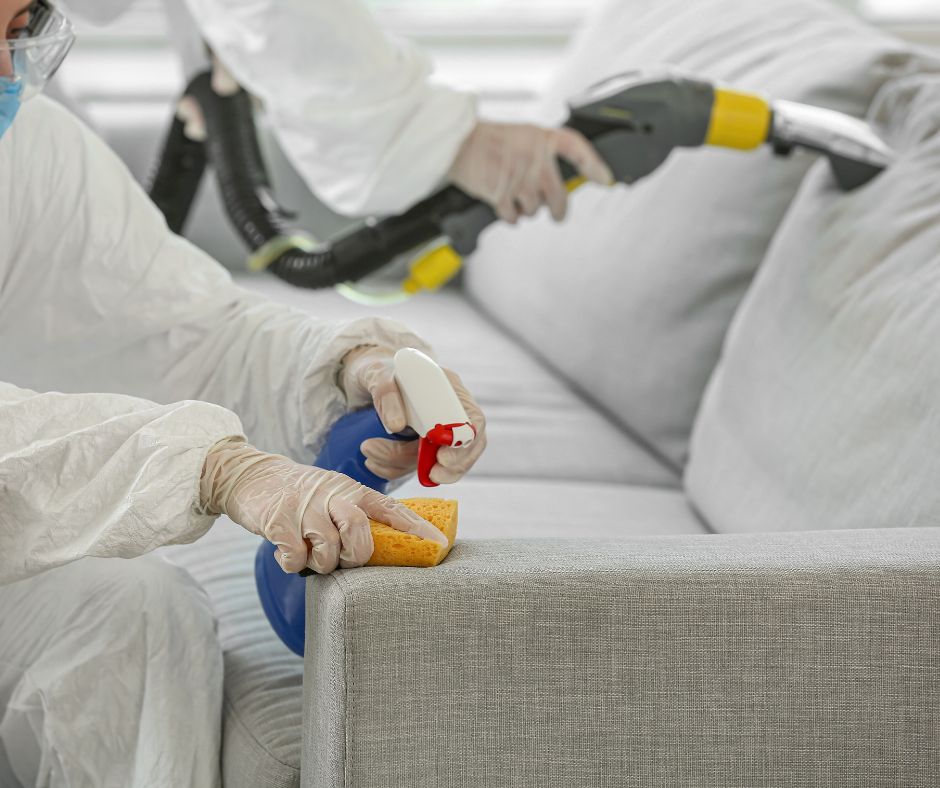
Professional restoration teams do not wear identical protective equipment for every project. Instead, safety procedures change according to the specific hazards identified during the assessment.
For example, different incidents may require different combinations of:
- Heavy-duty protective suits and boots.
- Chemical-resistant or cut-resistant gloves.
- Advanced respiratory protection and masks.
- Full-face protection and safety goggles.
- Sealed negative-pressure containment barriers.
- Commercial-grade air scrubbers and disinfectants.
Adjusting safety procedures according to the incident helps reduce unnecessary exposure while allowing technicians to perform their work safely and efficiently.
This flexible approach represents another reason certified biohazard cleanup in New York cannot rely on a standardized cleanup formula.
Planning Reduces Unnecessary Property Damage
One advantage of creating a detailed restoration plan before beginning cleanup is that professionals can often avoid removing materials unnecessarily. Instead of assuming everything must be discarded, they evaluate which materials may be restored and which require replacement based on the type and extent of contamination.
This careful planning benefits property owners by reducing unnecessary demolition while still prioritizing health and safety.
Moreover, organized planning helps restoration progress more efficiently because each stage follows a logical sequence developed specifically for the property.
Documentation Supports Every Stage of the Restoration Process
Once the restoration plan is in place, documentation becomes an important part of maintaining an organized and accountable cleanup process. While many people focus only on the physical work, proper documentation helps ensure that every stage of the project follows established procedures from beginning to end.
Depending on the nature of the incident, documentation may include information about the affected areas, the materials requiring removal, the restoration methods selected, and the procedures used to manage contaminated waste. These records help create a clear overview of the project while supporting communication between property owners, insurance representatives, facility managers, or other involved parties.
For commercial properties, healthcare facilities, and regulated environments, organized documentation may also assist with compliance requirements and demonstrate that the cleanup follows recognized safety protocols. Rather than being treated as an administrative task, documentation becomes another layer of quality control throughout the restoration process.
Restoration Continues After Contaminated Materials Are Removed
Many people believe the cleanup ends once contaminated materials leave the property. However, successful restoration involves much more than removing affected items.
After contaminated materials have been safely handled, professionals continue evaluating the remaining environment to determine whether additional work is necessary before the property can safely return to normal use.
Depending on the situation, this stage may include:
- Cleaning Remaining Structural Surfaces: Once contaminated materials have been removed, nearby structural components may require detailed cleaning to address any remaining residue while preparing the space for restoration.
- Professional Disinfection: Disinfection helps treat appropriate surfaces after contamination has been removed. This stage supports a cleaner environment while addressing microorganisms that may remain on affected materials.
- Odor Neutralization: Certain biohazard incidents leave persistent odors even after contaminated materials have been removed. Professional odor removal methods help address these lingering smells by targeting their underlying source instead of masking them with fragrances.
- Preparing the Property for Repairs: Once remediation is complete, the property may be ready for reconstruction, replacement of removed materials, or other restoration work needed to return the space to its previous condition.
By treating restoration as a complete process rather than a single cleanup event, professionals help ensure the property is prepared for its next stage.
Why Communication Matters Throughout the Cleanup
Biohazard restoration often takes place during stressful circumstances. Whether the incident involves a trauma scene, sewage backup, chemical spill, or another hazardous event, property owners frequently have questions about what happens next.
Clear communication helps reduce uncertainty throughout the project.
Professional teams typically explain:
- Why certain materials require removal while others can remain safely in place.
- How the customized restoration plan will proceed systematically from one stage to the next.
- What specific safety measures and isolation barriers are being implemented during the cleanup.
- Which areas should remain strictly restricted until final testing and restoration are complete.
- What additional property preparation services may be recommended before normal occupancy resumes.
Maintaining open communication helps property owners understand each decision while creating confidence in the restoration process.
Furthermore, ongoing updates allow the cleanup plan to adapt if unexpected conditions are discovered during remediation.
Why Experience Matters When Conditions Change
Even with careful planning, biohazard restoration projects occasionally reveal unexpected conditions once cleanup begins.
For example, removing contaminated flooring may uncover hidden moisture damage beneath the surface. Likewise, moving accumulated belongings could reveal structural deterioration, pest activity, or contamination that was not visible during the initial assessment.
Rather than interrupting the entire project, experienced professionals know how to reassess the situation, adjust the restoration strategy, and continue working safely.
This flexibility is one of the defining characteristics of certified biohazard cleanup in New York. Instead of relying on rigid procedures, trained restoration teams evaluate changing conditions while maintaining appropriate safety protocols and adapting the cleanup plan when necessary.
How Clutter Free Service Can Help
At Clutter Free Service, we understand that biohazard incidents are often unexpected, emotionally challenging, and unlike any situation a homeowner or business owner has faced before. Because every property and every incident is different, we approach each project with professionalism, discretion, and careful planning from the very beginning.
Our certified biohazard cleanup in New York services begin with a detailed assessment of the affected area to identify the type of contamination, evaluate the extent of the damage, and develop a restoration strategy tailored to the property’s specific needs. Rather than relying on a one-size-fits-all approach, we carefully consider the materials involved, the layout of the property, and the safest methods for restoring the environment.
Our experienced team provides comprehensive biohazard remediation for situations involving trauma scenes, sewage backups, animal waste, biological contamination, and other hazardous conditions. When appropriate, we also perform professional disinfection, odor removal, sanitization, and safe disposal of contaminated materials to help restore the property as thoroughly as possible.
Beyond biohazard restoration, Clutter Free Service offers a full range of specialty cleaning solutions throughout New York, including junk removal, decluttering, post-construction cleanup, commercial cleaning, and sanitization services. We are committed to helping homeowners, businesses, healthcare facilities, and property managers restore safer, cleaner, and more functional environments with professionalism and compassion.
Our goal extends beyond cleaning the affected area. We work to restore confidence by guiding our clients through every stage of the restoration process with clear communication, attention to detail, and respect for the unique circumstances surrounding each project.
Every Biohazard Scene Deserves an Individual Restoration Plan
No two biohazard incidents are ever completely alike. While different situations may appear similar at first, the type of contamination, the affected materials, the building layout, and the condition of the property all influence how restoration should proceed. For this reason, successful remediation always begins with careful assessment rather than immediate action.
Understanding these differences helps explain why certified biohazard cleanup in New York is built around customized restoration plans instead of standardized cleaning procedures. From the initial evaluation through containment, material assessment, documentation, remediation, and final restoration, each stage reflects the specific conditions of the property. This thoughtful approach helps protect occupants, cleanup professionals, and the integrity of the building while reducing unnecessary risks throughout the project.
As buildings become more complex and property owners place greater importance on environmental health and safety, professional biohazard restoration continues to play an essential role in responsible property care. Careful planning, appropriate safety protocols, and flexible decision-making allow professionals to respond effectively to a wide range of challenging situations without compromising quality or safety.
Ultimately, successful restoration is measured by more than how quickly a property is cleaned. It is measured by how thoroughly the environment is assessed, how responsibly contamination is managed, and how confidently people can return to a space that has been restored with professionalism, care, and attention to every important detail.