When people hear the term biohazard, they often picture medical waste inside hospitals or research laboratories. However, potentially hazardous biological materials can appear in homes, apartments, offices, vehicles, and other everyday environments. A serious accident can leave blood and bodily fluids behind, while sewage backups can introduce biological contaminants into occupied spaces. Likewise, animal waste, medical sharps, mold, and decomposing organic material can create conditions that require specialized handling. Therefore, Biohazard Cleanup in NY is not limited to one particular type of property or incident. The important question is whether the material presents biological risks that ordinary cleaning methods cannot safely address. Understanding the different substances involved helps property owners recognize when professional remediation becomes appropriate.
What Makes a Substance a Biohazard?
A biohazard generally involves biological material that can potentially harm people or contaminate an environment. The concern may involve infectious microorganisms, contaminated fluids, biological waste, or materials that support hazardous exposure. However, not every unpleasant substance automatically qualifies as a biohazard. The actual risk depends on the material, contamination level, exposure route, surrounding conditions, and applicable handling requirements.
Clutter Free Service identifies blood, bodily fluids, animal waste, medical sharps, sewage backups, and toxic mold colonies among situations requiring specialized biohazard waste removal. Consequently, Biohazard Cleanup in NY focuses on more than making a contaminated area look clean. The remediation process involves controlling exposure, removing contaminated materials appropriately, and fully restoring the affected environment.
Common Biological Hazards Requiring Professional Care
Biological contaminants come in many forms, each presenting unique risks to human health and property structures. Understanding these specific materials highlights why specialized attention is so critical.
Blood and Blood-Contaminated Materials
Blood is one of the most recognizable substances associated with biohazard cleanup. It can remain after accidents, traumatic injuries, unattended deaths, violent incidents, or other medical emergencies. Although dried blood may appear harmless, visible drying does not automatically eliminate potential biological concerns.
Blood can also soak into carpeting, padding, wood, drywall, upholstery, and other porous materials. Consequently, wiping the visible surface may not address contamination that has penetrated deep into surrounding materials. Professional Biohazard Cleanup in NY can determine what requires cleaning, what requires removal, and how contaminated waste should be handled. This distinction becomes particularly important when an incident involves substantial blood loss or contamination across multiple surfaces.
Bodily Fluids Require Similar Caution
Blood is not the only biological substance that can create cleanup concerns. Other bodily fluids can contaminate floors, furniture, walls, mattresses, clothing, and other surfaces. Depending on the circumstances, these fluids may create exposure concerns and may also penetrate porous materials.
Therefore, simply applying household cleaner may not provide an appropriate remediation strategy. The cleanup process needs to consider where contamination travels and which materials can realistically be decontaminated. Clutter Free Service describes trauma scenes, serious accidents, and medical emergencies as situations where blood and bodily fluids can require specialized cleanup. This type of cleanup also requires discretion because many bodily-fluid incidents occur during emotionally difficult circumstances.
Sewage and Wastewater Contamination
Sewage backups can create a very different kind of biohazard situation. Instead of one isolated contaminated surface, wastewater may spread across floors, walls, belongings, and building materials. It can also move through cracks, flooring systems, and other areas that are difficult to identify immediately.
As a result, sewage cleanup requires more than removing visible standing water. Contaminated materials may need careful evaluation, removal, cleaning, and appropriate disposal. Clutter Free Service specifically identifies sewage backups as a type of biological contamination requiring professional attention. Therefore, Biohazard Cleanup in NY can become necessary when sewage exposure creates conditions beyond ordinary household cleaning. Property owners should also address the source of the backup separately to prevent continued contamination.
Medical Sharps and Other Sharp Objects
Used needles, syringes, lancets, and other sharp medical objects create a different type of cleanup concern. The problem involves both biological contamination and physical injury. An improperly handled sharp can puncture skin and potentially expose someone to contaminated material.
Therefore, picking up needles by hand or placing them into ordinary household trash creates unnecessary risk. Professional cleanup teams use appropriate procedures for collecting and containing these materials safely. Clutter Free Service lists medical sharps among the biological hazards that may require specialized removal. This distinction demonstrates why biohazard cleanup cannot simply be treated as ordinary junk removal. The material itself may require controlled handling and regulated disposal.
Animal Waste Can Create Biological Concerns
Animal waste can also create contamination concerns, particularly when large quantities accumulate indoors. This situation may occur in neglected properties, severe clutter environments, abandoned buildings, or spaces containing numerous animals.
Waste can contaminate floors and surrounding belongings while contributing to unpleasant odors and unsanitary conditions. Additionally, accumulated waste can make ordinary cleaning considerably more difficult. Clutter Free Service identifies animal waste as another example of material that may require professional biohazard waste removal. The appropriate response depends on the quantity, condition, location, and surrounding contamination. Therefore, an assessment is important before determining the necessary cleanup approach.
Mold Requires Careful Evaluation
Mold is another substance commonly associated with biological contamination. However, mold cleanup deserves some nuance because not every mold-related situation requires the same remediation strategy. Small surface growth and extensive contamination can involve very different conditions.
Large colonies may affect building materials, indoor air quality, and surrounding spaces. Additionally, moisture must be addressed because cleaning mold without controlling the underlying moisture source can allow recurrence. Clutter Free Service lists toxic mold colonies among biological materials that can require specialized removal. Therefore, Biohazard Cleanup in NY may involve mold-related remediation when contamination is extensive or presents specialized safety concerns. Professional assessment helps determine the appropriate response instead of assuming every visible spot requires identical treatment.
Decomposing Organic Material
Another difficult category involves biological material that has begun decomposing. This may occur after an unattended death, prolonged neglect, animal activity, or other circumstances involving organic matter. Decomposition can produce strong odors and contaminate surrounding materials rapidly.
More importantly, the affected area may extend beyond what is immediately visible. Porous flooring, subflooring, drywall, carpeting, furniture, and other materials can absorb contaminants. Consequently, professional remediation may involve both removal and treatment of affected materials. Clutter Free Service describes trauma scenes and unattended deaths among circumstances associated with specialized biohazard remediation. These situations also require particular sensitivity because cleanup often occurs alongside significant emotional distress.
Core Challenges in Biohazard Remediation
Addressing biological contamination requires navigating several complex logistical and structural hurdles. From material porosity to disposal regulations, these challenges highlight why specialized methods are necessary.
Why Porous Materials Complicate Cleanup
One of the biggest challenges with biological contamination involves porous materials. Hard surfaces can sometimes be cleaned more directly than materials that absorb liquids. Carpet, padding, unfinished wood, drywall, insulation, upholstered furniture, and similar materials may retain contamination beneath their visible surfaces.
Therefore, simply wiping the top layer may not provide adequate remediation. Clutter Free Service explains that biological contaminants can penetrate porous building materials, including wood subflooring, drywall, concrete, and carpeting. When materials cannot be adequately decontaminated, removal may become necessary. This decision should depend on the actual contamination and professional assessment rather than appearance alone.
Why Household Cleaning Products Are Not Always Enough
Ordinary household cleaning products are designed for routine dirt, stains, and general sanitation. Biohazard remediation involves entirely different concerns. The cleanup process may require containment, specialized protective equipment, appropriate disinfectants, controlled removal, and regulated waste handling.
Clutter Free Service states that standard household cleaners cannot safely address certain dangerous biological contaminants. That does not mean household products are useless for everyday hygiene. Instead, it means property owners should recognize when a situation exceeds ordinary cleaning. When potentially infectious material is involved, attempting extensive cleanup without appropriate training can create additional exposure.
Containment Helps Prevent Cross-Contamination
Biohazard cleanup is also about controlling where contamination travels. Moving contaminated materials through clean areas can spread biological material beyond the original incident location. Therefore, professional remediation may establish containment boundaries and controlled pathways.
Clutter Free Service describes using plastic containment barriers and negative-air systems equipped with HEPA filtration during certain remediation projects. The specific containment approach depends on the property’s condition and the type of contamination involved. This demonstrates why professional cleanup involves detailed planning before removal begins. The team needs to understand the affected area and determine how materials can leave without unnecessarily contaminating other spaces.
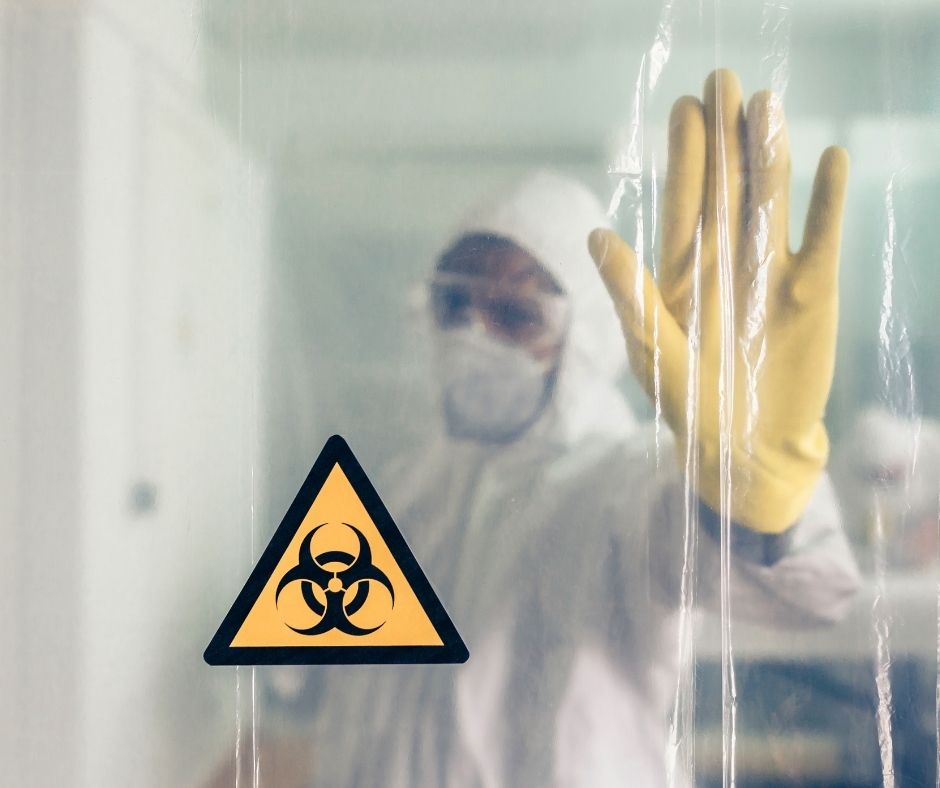
Professional Protective Equipment Matters
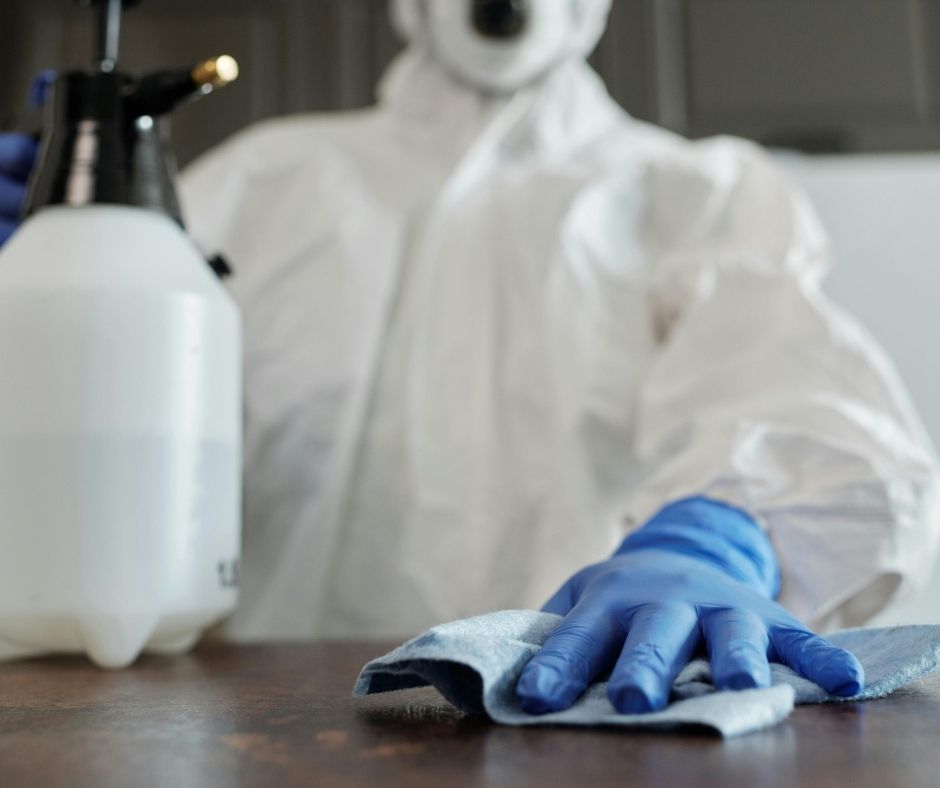
Personal protective equipment provides another important layer of protection during remediation. The appropriate equipment depends on the type and severity of the hazard present. Professional teams may use protective clothing, gloves, eye protection, respiratory protection, and other equipment based on site conditions.
Clutter Free Service states that its biohazard technicians use protective equipment during remediation work. Property owners should not attempt to replicate professional procedures without appropriate training. The safest approach is to limit unnecessary exposure and seek qualified assistance when biological contamination is substantial or uncertain.
Disposal Is Part of the Cleanup
Removing contaminated material from a property does not complete the job. Biohazardous waste requires appropriate containment, transportation, and disposal. Ordinary household garbage systems are not necessarily designed to accept biological waste or medical sharps.
Clutter Free Service states that its biohazard waste process includes specialized packaging, regulated transportation, and disposal through appropriate facilities. Therefore, disposal planning should form part of the initial cleanup strategy. A property owner should not simply place contaminated materials outside and assume the problem is resolved.
Navigating Unique Cleanup Situations
Every scene presents its own distinct environment and emotional context. Professional teams must adapt their strategy based on the specific incident and the needs of the individuals involved.
Different Incidents Create Different Cleanup Requirements
It is useful to remember that biohazard cleanup does not follow one universal formula. A blood spill from a minor accident may involve a limited area. Conversely, a serious trauma scene may involve multiple surfaces and porous materials. A sewage backup may affect an entire room or multiple levels of a structure. An unattended death may involve severe decomposition and odor concerns. A property with extensive animal waste may require substantial removal and sanitation.
Consequently, Biohazard Cleanup in NY needs to be tailored to the actual incident. The initial assessment determines the overall scope rather than relying solely on the name of the substance involved.
Sensitive Situations Require More Than Technical Skills
Many biohazard incidents happen during stressful life events. Families may be dealing with an unexpected death, serious injury, difficult property condition, or complicated estate situation. Therefore, communication and discretion matter alongside technical cleanup procedures.
Clutter Free Service describes its biohazard services as compassionate, discreet, and designed for sensitive situations. Its broader cleanup services also emphasize respectful communication when working with families and property owners. A professional team should explain what needs to happen without making an already difficult situation more uncomfortable.
How Clutter Free Service Can Help
When biological contamination occurs, having a reliable local partner makes all the difference. Clutter Free Service offers specialized solutions tailored to complex property conditions across New York.
- Comprehensive Regional Coverage: Clutter Free Service provides biohazard cleanup and waste removal services across New York City and surrounding service areas, including Manhattan, Brooklyn, Queens, Staten Island, the Bronx, and Nassau County.
- Wide Scope of Hazard Remediation: The company identifies blood, bodily fluids, animal waste, medical sharps, sewage backups, and mold among situations that can require specialized biohazard services.
- Structured Remediation Protocol: Its published process includes hazard evaluation, safety planning, containment, hazardous material removal, deep cleaning, and appropriate waste handling.
- Integrated Cleanout Capabilities: The company describes combining biohazard remediation with broader cleanout services when properties involve substantial clutter or accumulated belongings.
- Streamlined Single-Provider Process: Clutter Free Service states that its team can integrate heavy cleanouts, debris removal, and biohazard decontamination within comprehensive cleanup projects, eliminating the need to coordinate multiple contractors.
That combination can be useful when biological contamination exists alongside a larger property cleanup. For example, a neglected property may contain unwanted furniture, accumulated debris, animal waste, and contaminated materials simultaneously. In such cases, separating every cleanup task into unrelated projects may create additional coordination challenges. Before scheduling service, property owners should confirm the specific contamination involved, required remediation scope, disposal procedures, access requirements, and applicable service limitations directly with the provider.
Knowing When Professional Cleanup Makes Sense
Not every biological substance requires professional remediation. However, certain situations clearly deserve professional attention because exposure, contamination, or disposal risks become difficult to manage safely.
Professional assistance becomes especially relevant when materials involve blood or bodily fluids, medical sharps, sewage, significant mold, animal waste, decomposition, or widespread contamination. The same applies when contamination has entered porous materials or affected multiple areas. When uncertainty exists, it is safer to seek an assessment rather than experimenting with increasingly aggressive household cleaning methods.
Biohazard Cleanup Is About Restoring Safe Use
A successful remediation project does more than remove an unpleasant substance. It helps restore the property to a condition where people can safely continue using the affected space. That requires identifying the contamination, controlling its spread, removing affected materials appropriately, cleaning suitable surfaces, and managing waste responsibly.
Therefore, Biohazard Cleanup in NY is best understood as a specialized restoration process rather than ordinary cleaning. Blood, bodily fluids, sewage, medical sharps, animal waste, mold, and decomposing organic materials each present different considerations. The correct response depends on the substance, the extent of contamination, the affected materials, and the property’s circumstances. Ultimately, recognizing the difference between routine mess and biological contamination is the first important step. When a situation crosses that line, professional assessment and remediation can help protect occupants, property owners, and everyone involved in restoring the space.