When most people think about a biohazard incident, they picture the visible contamination. It might be a small amount of blood on the floor, sewage backing up into a room, or an area affected by bodily fluids. Once the visible material is removed, it is easy to assume the problem has been solved. However, biohazard contamination rarely ends where the eye can see.
Liquids naturally travel. They seep into porous materials, settle beneath flooring, spread into cracks, and sometimes reach structural components that remain hidden from view. At the same time, foot traffic, cleaning attempts, and improper handling can unintentionally transfer contaminants beyond the original location. Consequently, what appears to be a small cleanup may involve a much larger area than expected.
This is why biohazard waste disposal in New York involves much more than collecting contaminated materials and placing them into a disposal container. Safe cleanup begins with understanding how contamination behaves, identifying affected materials, containing the area, and following established protocols for handling and transporting regulated waste.
Contamination Moves in Ways People Do Not Expect
One of the biggest misconceptions about biohazard incidents is that contamination remains exactly where the accident occurred. In reality, liquids behave according to gravity, surface texture, and material composition.
For example, a spill on a smooth tile floor may remain largely visible. By contrast, the same liquid on carpeting, unfinished wood, drywall, or upholstered furniture may immediately begin soaking beneath the surface. Although the visible stain appears small, the contaminated area underneath may be significantly larger.
Furthermore, everyday activity can unintentionally spread contaminants throughout the property. Shoes, equipment, cleaning cloths, and even airflow may contribute to moving contaminants into surrounding spaces if the affected area is not properly contained.
Therefore, professional cleanup begins with evaluating how contamination may have traveled rather than focusing only on what is immediately visible.
Why Porous Materials Change Everything
The type of material involved often determines how biohazard cleanup proceeds. Non-porous materials, such as stainless steel, glass, and certain sealed surfaces, generally allow contaminants to remain on the exterior. After appropriate cleaning and disinfection, these materials may often be restored if they have not been damaged.
Porous materials present a very different challenge. Materials commonly found inside homes and commercial buildings readily absorb liquids into their internal structure. Once contamination enters these materials, simply wiping the surface does not remove what has already penetrated below.
Examples of porous materials include:
- Carpeting and carpet padding: They absorb liquids beneath the visible surface and into the underlying cushion.
- Drywall: Moisture can migrate quickly through the paper facing and into the gypsum core.
- Upholstered furniture: Multiple layers of fabric, foam, and padding create numerous areas for deep absorption.
- Unfinished wood: The natural texture allows liquids to penetrate deeply into its grain.
- Ceiling tiles and insulation: They readily absorb moisture while making contamination difficult to detect visually.
- Paper products, cardboard, and fabrics: These items quickly retain biological materials once exposed to fluids.
Because these materials cannot always be fully restored after contamination, professional evaluation helps determine whether cleaning, removal, or replacement represents the safest course of action.
Why Surface Cleaning Cannot Solve Every Biohazard Situation
Many people naturally reach for household disinfectants after discovering contamination. While routine cleaning products certainly have their place in everyday maintenance, they are not designed to address every type of biohazard situation.
For instance, spraying disinfectant onto contaminated carpeting does not remove biological material that has already reached the carpet pad. Likewise, wiping the top of a wooden floor does not necessarily address contamination that has migrated into seams or beneath flooring materials. Professional cleanup focuses first on removing contaminated materials whenever necessary before disinfecting the remaining affected surfaces.
This distinction matters because disinfectants perform best on surfaces that have already been properly cleaned. Organic material can reduce the effectiveness of many disinfecting products when it remains present.
As a result, biohazard waste disposal in New York emphasizes both physical removal and appropriate decontamination instead of relying solely on chemical treatment.
Containment Protects Areas That Are Still Clean
An important objective during biohazard remediation is preventing contamination from spreading into unaffected parts of the property. Without proper containment, people entering and leaving the area may unknowingly transfer contaminants into hallways, neighboring rooms, elevators, vehicles, or common areas.
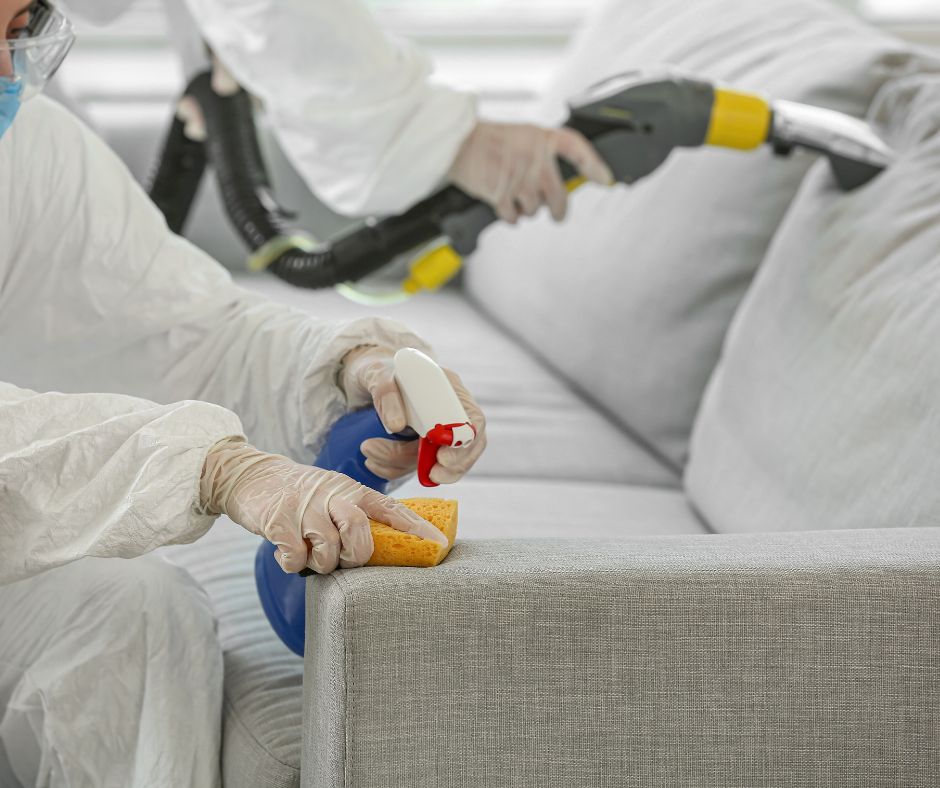
Professional containment strategies often include carefully restricting access to the affected location while establishing controlled work zones. This organized approach allows technicians to separate contaminated materials from clean environments throughout the cleanup process. Additionally, specialized personal protective equipment helps reduce the likelihood of transferring contaminants between work areas.
By controlling movement before cleanup begins, professionals reduce the possibility of creating additional contamination that would require further remediation.
Every Biohazard Incident Creates Different Risks
No two cleanup projects are exactly alike. Although the disposal procedures follow established regulations, the contamination itself varies depending on the type of incident, the materials involved, the amount of exposure, and how long the contamination remains untreated.
For example, professionals may respond to situations involving:
- Blood and Bodily Fluids: Bloodborne pathogens require careful handling because exposure may present severe health risks. Cleanup focuses on identifying all affected materials while preventing cross-contamination during removal.
- Sewage Backups: Sewage often contains bacteria, viruses, parasites, and other contaminants that may affect multiple building materials once water begins spreading through the property.
- Animal Waste: Animal droppings, urine, nesting materials, and deceased animals may introduce biological contaminants while also creating persistent odors that require specialized remediation.
- Trauma or Unattended Death Scenes: These situations frequently involve both emotional sensitivity and technical expertise. Contamination may extend far beyond immediately visible areas, requiring systematic assessment before cleanup begins.
Although each incident differs, professional planning helps ensure that the cleanup process reflects the specific conditions of the property rather than applying the same solution to every situation.
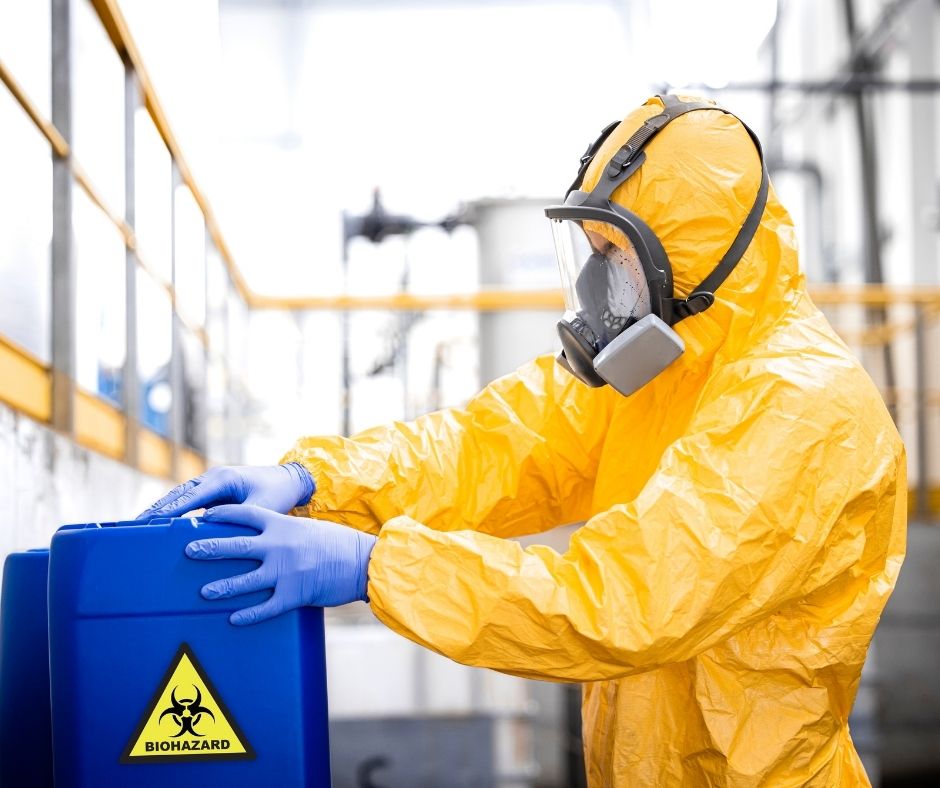
Safe Handling Begins the Moment Cleanup Starts
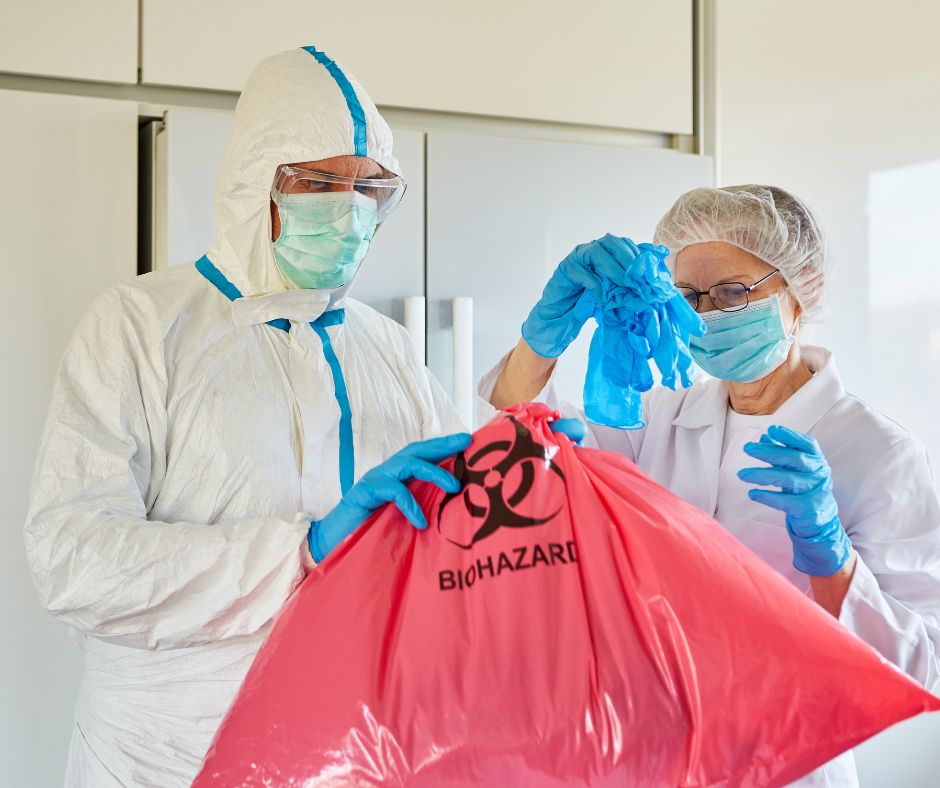
The disposal process actually begins before any waste leaves the building. As contaminated materials are identified, professionals separate regulated waste from materials that are not affected. This careful sorting process helps prevent unnecessary disposal while ensuring contaminated items receive appropriate handling.
Throughout the cleanup, technicians follow established procedures designed to reduce unnecessary exposure. Materials are carefully collected, contained, packaged, and prepared for transportation using methods that support safe handling throughout each stage of the process.
This systematic approach helps protect workers, property occupants, waste handlers, and the surrounding community while maintaining compliance with applicable regulations governing biohazard waste disposal in New York.
Why Documentation Plays an Important Role
Biohazard remediation is not simply about removing contaminated materials. It also involves maintaining an organized process that demonstrates proper handling from beginning to end.
Documentation helps track the cleanup process by recording important details such as the affected areas, materials removed, handling procedures, and waste disposal activities. Depending on the situation, maintaining accurate records may also support property managers, insurance providers, businesses, or regulatory requirements.
For commercial properties, healthcare facilities, and other regulated environments, organized documentation provides an additional layer of accountability throughout the remediation process. Consequently, professional biohazard waste disposal in New York focuses not only on physical cleanup but also on maintaining careful records that support responsible waste management.
Why Proper Transportation Matters as Much as Cleanup
Removing contaminated materials from a property is only one part of the remediation process. The next step involves transporting those materials safely so they do not create additional risks during handling or disposal.
Improper transportation can expose workers, waste handlers, and even the public to unnecessary hazards. For this reason, regulated biohazard waste follows established handling procedures from the moment it leaves the affected area until it reaches an authorized disposal facility. This continuous chain of responsibility helps maintain safety throughout the entire process rather than focusing only on the cleanup itself.
Additionally, careful transportation practices reduce the likelihood of leaks, spills, or accidental exposure while waste moves between locations. As a result, professional biohazard waste disposal extends far beyond what happens inside the building.
Compliance Helps Protect Everyone Involved
Biohazard remediation involves more than technical cleaning skills. It also requires following applicable regulations that govern how hazardous biological waste is identified, packaged, transported, and ultimately disposed of.
These standards exist for an important reason. They help protect property occupants, cleanup professionals, transportation personnel, waste management facilities, and surrounding communities from unnecessary exposure. Rather than treating every cleanup the same way, professional remediation teams follow procedures that align with the specific type of contamination involved. Consequently, each step of the process receives careful attention before materials leave the property.
Compliance also provides peace of mind for homeowners, business owners, healthcare facilities, and property managers. Knowing that waste has been handled responsibly allows them to focus on restoring normal operations instead of worrying about whether contaminated materials remain a potential concern.
The Cleanup Does Not End When the Waste Is Removed
Many people assume the project ends once contaminated materials leave the property. In reality, removal represents only one phase of restoring the affected environment.
After contaminated materials have been safely collected, technicians continue evaluating the remaining surfaces to determine whether additional cleaning, disinfection, deodorization, or restoration is necessary. This careful assessment helps confirm that the surrounding environment receives appropriate attention before the area returns to normal use.
For example, subfloors, framing, structural surfaces, and adjacent materials may require additional treatment depending on the type of incident and the extent of contamination. Likewise, odors sometimes indicate that biological material remains hidden within porous building components. Therefore, successful remediation focuses on restoring confidence in the environment rather than simply removing visible waste.
Why Every Minute Matters During Biohazard Incidents
Time often influences the complexity of a cleanup project. The longer biological materials remain on a property, the greater the opportunity for contamination to spread into surrounding materials. Liquids continue migrating into porous surfaces, odors become more difficult to eliminate, and additional building components may become affected.
Early response allows professionals to evaluate the situation before contamination reaches a larger area. Consequently, prompt action may reduce the amount of material requiring removal while supporting a more efficient restoration process.
This does not mean property owners should attempt cleanup themselves while waiting for professional assistance. Instead, limiting access to the affected area and contacting trained specialists helps reduce unnecessary exposure until proper remediation begins. Professional biohazard waste disposal in New York starts with protecting people first, followed by protecting the property itself.
How Clutter Free Service Can Help
At Clutter Free Service, we understand that biohazard incidents are often unexpected and emotionally challenging. Whether the situation involves blood, bodily fluids, sewage contamination, animal waste, or other hazardous biological material, our team approaches every project with professionalism, discretion, and respect.
Our biohazard waste disposal in New York services focus on protecting both people and property through careful assessment, safe containment, proper removal, and responsible disposal practices. We understand that contamination is not always visible, which is why we carefully evaluate affected materials instead of focusing only on the obvious areas.
Our experienced technicians follow established protocols designed to reduce cross-contamination while handling regulated waste responsibly. Throughout the cleanup process, we prioritize safety, clear communication, and attention to detail so property owners understand each step of the remediation process.
Beyond biohazard remediation, Clutter Free Service also provides professional cleaning, sanitization, disinfection, odor removal, junk removal, decluttering, and specialty cleaning services throughout New York. By offering comprehensive property solutions, we help homeowners, businesses, healthcare facilities, and property managers restore cleaner, safer environments with confidence.
Our goal is not simply to remove contaminated materials. We work to help restore peace of mind by providing professional services that support responsible cleanup from the initial assessment through the final stages of waste disposal.
Looking Beyond the Visible Contamination
Biohazard incidents often appear smaller than they truly are. A stain on the floor or a localized spill may seem limited to one area, yet contamination frequently extends into materials and spaces that remain hidden from view.
Understanding how contamination behaves changes the way people think about cleanup. Rather than focusing only on visible waste, professional remediation considers how liquids move, how porous materials absorb contaminants, and how everyday activity can unintentionally spread hazardous materials throughout a property.
That broader perspective explains why biohazard waste disposal in New York involves much more than removing contaminated items. Safe remediation includes careful assessment, containment, regulated handling, compliant transportation, thorough documentation, and responsible disposal practices that work together to protect everyone involved.
As regulations continue evolving and public awareness of environmental health grows, professional biohazard waste management remains an essential part of responsible property care. Homeowners, businesses, healthcare facilities, and property managers all benefit from understanding that effective remediation addresses the entire contamination pathway rather than only the visible source.
Ultimately, successful biohazard cleanup is measured not by how quickly waste leaves the property, but by how carefully every stage of the process protects people, restores the environment, and prevents contamination from creating additional risks in the future.