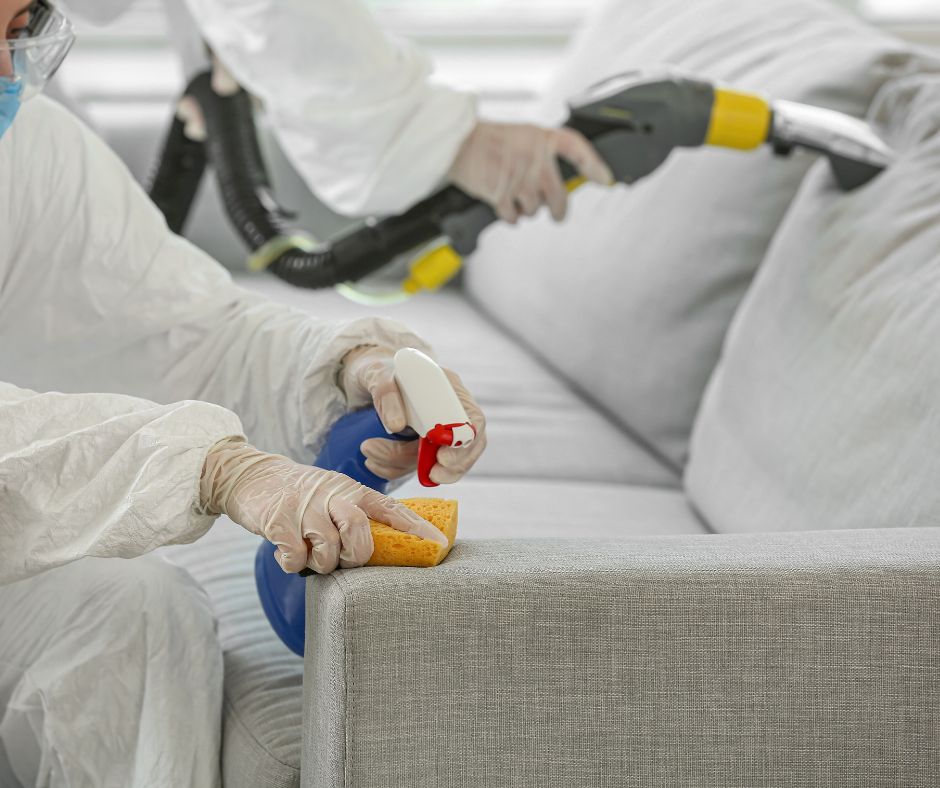
You clean the room, open the windows, spray an air freshener, and everything smells fresh. However, a few hours later, the odor returns. Sometimes it comes back the next morning. Other times, it becomes noticeable again after rain, warm weather, or turning on the heating or air conditioning. Understandably, many homeowners and business owners begin wondering whether they missed something during cleaning.
The answer is often yes, but not because they failed to clean thoroughly. Instead, the odor itself may never have left the property. Many persistent smells remain trapped inside building materials, furniture, flooring, or ventilation systems where ordinary cleaning cannot reach them. As a result, the odor disappears temporarily before gradually returning as conditions change.
This is why a professional odor removal service in NYC approaches unpleasant smells differently than routine cleaning. Rather than covering odors with fragrances, professionals identify the source, evaluate how deeply the odor has spread, and use specialized treatment methods that target odor molecules throughout the affected environment.
In this article, we explore why certain odors continue returning, how different materials trap smells over time, and why permanent odor removal requires much more than making a room smell pleasant for a few hours.
Why Odors Return Even After Cleaning
Many people associate odors with visible dirt. Therefore, once the room appears clean, they naturally expect the smell to disappear as well. Unfortunately, odors do not always behave that way.
An unpleasant smell often begins with microscopic odor molecules released into the air. Those molecules eventually settle onto nearby surfaces where they attach themselves to fabrics, wood, drywall, carpeting, insulation, and other porous materials. Although the visible source may be removed, countless odor molecules remain behind.
Consequently, the room initially smells better because fresh air, cleaning products, or ventilation temporarily reduce the concentration of airborne odors. Nevertheless, the odor trapped inside surrounding materials slowly begins releasing back into the air. This process explains why many odors seem to disappear before gradually returning days or even weeks later.
Ultimately, superficial wiping leaves the core problem untouched. Achieving true freshness requires neutralizing the hidden molecules rather than just cleaning visible surfaces.
Odor Molecules Do Not Stay in One Place
One of the biggest misconceptions about unpleasant smells is that they remain exactly where they begin. In reality, odor molecules continuously move throughout the environment.
For example, smoke from a small kitchen fire rarely affects only the kitchen. Instead, warm air carries odor particles into hallways, bedrooms, closets, ventilation systems, curtains, upholstered furniture, and even electrical outlets. Similarly, pet odors often spread beyond the area where the accident originally occurred. Carpeting, nearby furniture, baseboards, and subflooring may all absorb odor molecules over time.
As air circulates throughout the property, these molecules continue settling onto additional surfaces. Therefore, eliminating only the original source often leaves much of the odor behind.
A professional odor removal service in NYC evaluates the entire affected area instead of concentrating only on where the smell first becomes noticeable. This comprehensive scope prevents forgotten areas from contaminating the space again later.
Porous Materials Store Odors Like Sponges
The type of material inside a property plays a major role in determining how difficult odor removal becomes. Non-porous materials such as glass, sealed metal, and certain finished surfaces generally hold fewer odor molecules because contaminants remain closer to the exterior.
Porous materials behave very differently because tiny openings inside allow odor molecules to penetrate deeply below the surface, making ordinary surface cleaning much less effective.
- Carpet and carpet padding: These materials absorb spills, smoke particles, pet accidents, and moisture that continue releasing odors long after surface cleaning is complete.
- Drywall and plaster: Drywall contains a porous gypsum core that can retain smoke, mildew, cooking odors, and moisture beneath the painted surface.
- Upholstered furniture: Couch fabrics contain multiple layers of foam, batting, and wood that readily absorb odor molecules from everyday use.
- Curtains and fabric window treatments: These soft textiles continuously collect airborne particles while acting almost like large filters inside a room.
- Unfinished wood: Raw lumber naturally absorbs moisture and odor particles through its open grain, making persistent smells difficult to extract.
- Ceiling tiles and insulation: These building components frequently trap smoke or moisture-related odors that remain hidden above occupied spaces.
Because these materials hold odor beneath the surface, simply wiping them clean rarely eliminates the problem entirely. Extraction and neutralization are necessary to pull contaminants out of deep structural layers.
Temperature and Humidity Can Reactivate Hidden Odors
Have you ever noticed that certain smells become stronger after it rains or during humid summer weather? This is not your imagination because environmental conditions often influence how quickly odor molecules escape from porous materials.
As humidity increases, many materials absorb additional moisture from the surrounding air. That moisture can encourage trapped odor molecules to release back into the room. Similarly, warmer temperatures increase molecular activity, allowing certain smells to become more noticeable than they were during cooler conditions.
Common examples include:
- Smoke Odors: Homes affected by cigarette smoke or fire damage often smell stronger during humid weather because trapped smoke particles become more active.
- Pet Odors: Carpeted rooms frequently experience stronger pet odors during summer when warmth and humidity encourage odor molecules to re-enter the air.
- Mold and Mildew: Moisture naturally intensifies mold-related odors because fungal growth often thrives under damp conditions.
- Cooking Odors: Grease absorbed into cabinetry, walls, and ventilation systems may become more noticeable whenever indoor temperatures rise.
Consequently, a room that smells perfectly normal one week may suddenly develop persistent odors after weather conditions change. Addressing the hidden source prevents these weather-triggered odor spikes from recurring.
Air Fresheners Change What You Smell, Not What Exists
Air fresheners certainly create pleasant scents. However, they accomplish this by introducing stronger fragrance molecules that temporarily compete with unpleasant odors already present in the room.
Once those fragrance molecules fade, the original odor often becomes noticeable again because its source remains unchanged. This explains why people frequently find themselves spraying the same room repeatedly without solving the actual problem. Similarly, scented candles, plug-in fragrance systems, and odor-absorbing gels may improve the immediate experience without permanently eliminating the odor source.
A professional odor removal service in NYC focuses on neutralizing odor molecules instead of simply masking them with additional fragrances. Eliminating the molecule at a chemical level ensures that the bad smell never returns when masking agents wear off.
Why Ordinary Cleaning Stops Too Soon
Routine cleaning serves an important purpose because vacuuming removes dust and mopping removes dirt. General cleaning improves appearance while maintaining healthier indoor environments.
Nevertheless, odor removal often requires additional steps because the smell itself extends beyond visible surfaces. For instance, wiping a countertop removes grease from the surface. However, if cooking oils have already entered nearby cabinetry or ventilation systems, the associated odors may continue circulating.
Likewise, shampooing a carpet improves appearance. Yet, if pet urine has reached the carpet padding or subfloor, the odor may return despite the carpet looking freshly cleaned.
This difference explains why properties sometimes appear immaculate while still carrying unpleasant smells. Professional odor removal begins by identifying where odor molecules actually reside rather than assuming the visible surface tells the entire story.
Why Professional Assessment Comes Before Treatment
No two odor problems develop in exactly the same way. Smoke behaves differently than mold, pet odors behave differently than cooking grease, and sewage contamination differs significantly from tobacco residue.
For this reason, professionals begin by identifying both the odor source and the materials affected before selecting the appropriate treatment. Rather than applying the same solution to every property, they evaluate how far the odor has traveled, which building materials have absorbed it, and whether the source remains active.
Only after this assessment can an effective odor removal strategy be developed. This methodical approach helps ensure the treatment addresses the underlying cause rather than simply improving the smell for a short period. Proper diagnostics save property owners time and money while guaranteeing targeted remediation.
Why Advanced Odor Removal Methods Target the Source
Once professionals identify where odor molecules have settled, the next step is selecting a treatment method that addresses the problem instead of simply masking it. Different odor sources require different approaches because no single technique works equally well for every situation.
Rather than relying on fragrances, professional odor removal focuses on neutralizing odor molecules within the affected environment. This process often involves specialized equipment designed to reach areas that traditional cleaning products cannot access.
Ozone Treatment
Ozone treatment introduces ozone gas into an unoccupied space to help neutralize odor molecules. Because ozone exists as a gas, it can circulate through rooms, reach hidden areas, and penetrate spaces that are difficult to access during conventional cleaning.
Professionals often consider ozone treatment for persistent odors associated with smoke, fire damage, certain biological contaminants, and long-standing property odors. However, the treatment requires careful planning because the property must remain unoccupied while the equipment operates. Once the treatment is complete, technicians ensure the area is safe before allowing occupants to return.
Thermal Fogging
Thermal fogging works differently by creating an extremely fine mist that behaves similarly to smoke. This allows the deodorizing solution to travel into many of the same spaces originally reached by the odor.
For example, smoke odors frequently migrate into wall cavities, fabrics, ceiling materials, and ventilation pathways. Thermal fogging helps carry odor-neutralizing products into these difficult-to-reach locations, addressing odors throughout the affected environment rather than only on exposed surfaces.
The choice between ozone treatment, thermal fogging, or another odor removal method depends on the property’s condition, the type of odor involved, and the materials affected. Utilizing advanced application tools guarantees that neutralizing agents penetrate as deeply as the original contamination.
Why Ventilation Alone Rarely Solves Persistent Odors
Opening windows often provides temporary relief because fresh outdoor air dilutes odor concentrations inside the building. Nevertheless, improved airflow does not remove odor molecules that remain embedded within building materials.
Once the windows close and indoor air circulation returns to normal, those trapped odor molecules gradually release back into the room. Consequently, the unpleasant smell becomes noticeable again despite previous ventilation.
Similarly, heating and cooling systems can influence how odors move throughout a property. Air conditioning, furnaces, and ventilation systems continuously circulate indoor air, which may redistribute odor molecules into areas where they were previously less noticeable.
Therefore, while ventilation plays an important role in maintaining indoor air quality, it cannot replace professional odor removal when the odor source remains inside the structure itself. Comprehensive remediation must accompany fresh air to achieve permanent relief.
Different Odors Require Different Solutions
One reason professional odor removal is more effective than general cleaning is that technicians recognize the differences between odor sources. Each type of odor behaves differently depending on how it develops and the materials it affects.
- Smoke Odors: Smoke produces microscopic particles that settle throughout an entire property. These particles often penetrate walls, insulation, fabrics, furniture, and ventilation systems. As a result, smoke damage usually requires treatment beyond ordinary cleaning.
- Pet Odors: Pet accidents frequently extend beneath flooring materials into carpet padding or subfloors. Surface cleaning may improve the smell temporarily, yet hidden contamination often allows odors to return.
- Mold and Mildew Odors: These odors generally indicate excessive moisture somewhere within the building. While odor removal addresses the smell itself, identifying and correcting the moisture source remains equally important.
- Cooking Odors: Commercial kitchens and residential cooking areas often accumulate grease particles inside cabinets, walls, ceilings, and ventilation systems. Consequently, lingering food odors may require treatment beyond routine degreasing.
Recognizing these differences allows professionals to develop treatment plans that match the specific odor instead of relying on one universal solution. Custom strategies ensure that the chemical bonds of specific odor types are broken efficiently.
How Clutter Free Service Can Help
At Clutter Free Service, we understand that persistent odors can affect how people experience a home, business, or commercial property. Even when everything appears clean, unpleasant smells may continue returning because odor molecules remain trapped beneath surfaces or inside porous building materials.
Our professional odor removal service in NYC focuses on identifying the true source of the odor before recommending the most appropriate treatment. Whether the problem involves smoke damage, pet odors, mold and mildew, cooking odors, or other persistent smells, our experienced team carefully evaluates the affected areas and develops a solution tailored to the property’s specific needs.
Using professional odor removal methods, including advanced technologies such as ozone treatment and thermal fogging when appropriate, we work to neutralize odor molecules rather than simply covering them with fragrances. Our goal is to help create cleaner, fresher environments that provide lasting results instead of temporary improvements.
In addition to odor removal, Clutter Free Service offers professional cleaning, sanitization, disinfection, biohazard cleanup, junk removal, decluttering, and specialty cleaning services throughout New York. Our comprehensive approach allows homeowners, business owners, property managers, and commercial facilities to maintain healthier, cleaner, and more welcoming spaces.
Whether you are preparing a property for new occupants, restoring a home after smoke damage, or addressing stubborn odors that refuse to disappear, our team is committed to providing professional solutions with attention to detail and outstanding customer care.
Fresh Air Alone Does Not Solve the Problem
Persistent odors often tell a much larger story than many people realize. While air fresheners, scented candles, and open windows may temporarily improve indoor air, they rarely address the odor molecules hidden within building materials. Consequently, the smell returns as environmental conditions change or as those trapped molecules slowly re-enter the air.
Understanding how odors behave helps property owners make more informed decisions. Rather than judging success by how pleasant a room smells immediately after cleaning, it becomes more important to determine whether the source of the odor has actually been eliminated. This shift in perspective explains why professional odor removal focuses on identifying the cause before selecting the appropriate treatment.
A professional odor removal service in NYC goes beyond surface cleaning by evaluating how odors travel, where they settle, and which specialized methods can help neutralize them. Whether the issue involves smoke, mold, pet accidents, cooking residue, or another persistent source, addressing the underlying problem creates results that last much longer than temporary masking solutions.
Ultimately, a truly fresh environment is not created by adding stronger fragrances. It comes from removing the odor at its source and restoring confidence that the space is genuinely clean, comfortable, and ready to enjoy. Professional odor removal provides that deeper level of care, helping homes and businesses throughout New York eliminate stubborn smells while creating healthier indoor environments for everyone who enters.