
Selling a home changes the way its belongings are viewed. For the seller, a crowded bookshelf may represent years of memories, while an overflowing closet simply reflects everyday living. For a potential buyer, however, those same belongings can become visual distractions that make the property harder to imagine as their own. That difference matters considerably during an open house.
Buyers are not simply looking at furniture and decorations. Instead, they are evaluating space, movement, storage, light, layout, and possibilities. Therefore, preparing a property for viewing requires more than making everything look tidy. It involves creating enough visual breathing room for another person to imagine living there.
An open house decluttering in NYC can support that process by helping sellers reduce unnecessary belongings before prospective buyers walk through the property. The objective is not to erase personality completely. Rather, it is to create a property presentation where the home itself becomes easier to see.
Sellers See Memories, Buyers See Possibilities
One of the biggest challenges with preparing an occupied home involves perspective. Sellers naturally become accustomed to their surroundings. A chair that sits in the hallway every day eventually stops feeling like an obstacle. A crowded kitchen counter becomes part of the normal routine. Boxes in the garage may seem harmless because everyone knows what they contain.
However, buyers enter without that familiarity. They immediately notice how furniture occupies rooms, how easily they can walk through spaces, and whether storage appears sufficient. Consequently, sellers may underestimate how much visual information buyers process during an open house.
An open house decluttering in NYC helps address this difference by approaching the property from the perspective of someone seeing it for the first time. That shift can reveal areas where reducing belongings makes the property’s features easier to recognize.
Visual Distractions Can Compete With the Property
An open house is ultimately an opportunity to present the property itself. Yet personal belongings can unintentionally compete with architectural details and functional features. A large collection of decorations can draw attention away from attractive walls or windows. Oversized furniture can make a spacious room appear smaller. Excess items on countertops can make an otherwise functional kitchen appear cramped.
Likewise, numerous personal photographs can make buyers focus on the current occupants rather than imagining themselves inside. This does not mean every personal item needs to disappear. Instead, sellers can consider whether each visible item supports the way they want buyers to experience the room. Therefore, decluttering becomes less about having an empty home and more about controlling what receives attention.
Overcrowded Rooms Can Change How Buyers Read Space
Room size is difficult to evaluate when furniture fills every available area. A buyer may struggle to understand where a dining table could fit when an existing table already dominates the room. Similarly, a bedroom packed with furniture can make it difficult to recognize usable floor space.
This is especially important in smaller New York properties where every square foot matters. An overcrowded room can make the layout feel restrictive even when the actual dimensions are perfectly functional. Consequently, reducing unnecessary furniture can help reveal circulation paths and available floor area.
A professional open house decluttering in NYC can help sellers identify items that interfere with the visual understanding of each room. The goal is not necessarily minimalism. The goal is proportion.
Closets Tell Buyers a Story About Storage
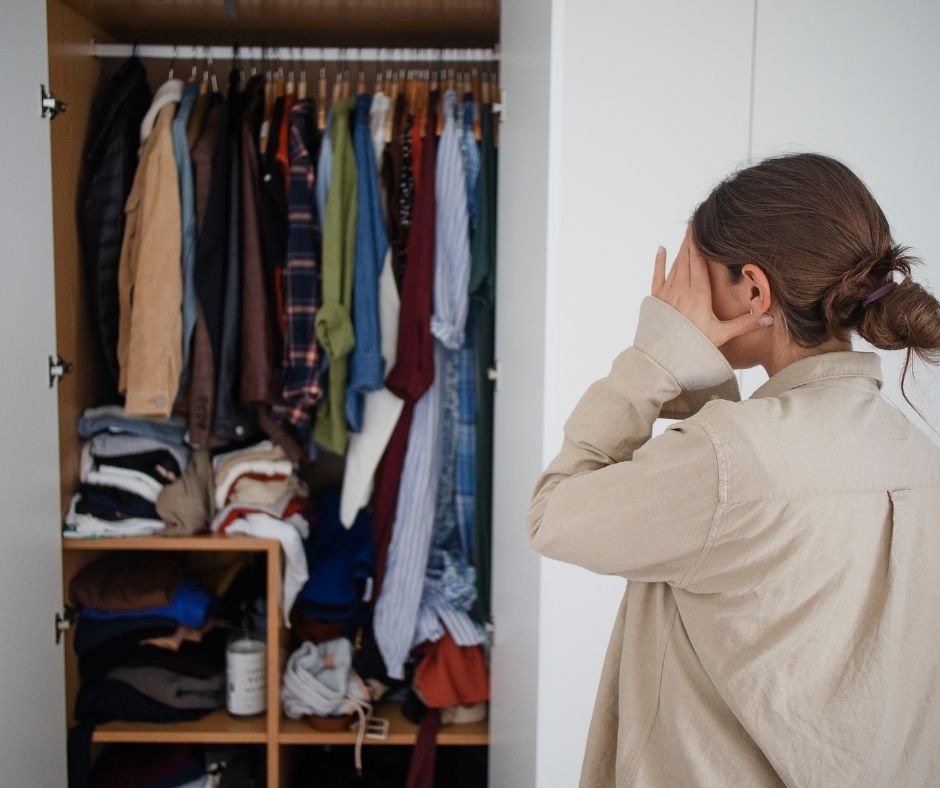
Closets often receive less attention from sellers because they are primarily functional spaces. Buyers, however, frequently examine storage closely. A closet packed from floor to ceiling can create the impression that the home lacks adequate storage. That impression can exist even when the closet itself provides reasonable capacity.
Therefore, removing unnecessary belongings can help buyers understand the actual size and functionality of storage areas. The same principle applies to pantry shelves, bathroom cabinets, linen closets, and built-in storage. When every shelf is occupied, buyers may struggle to imagine where their belongings could go. An open house decluttering in NYC can help sellers approach these spaces with a buyer’s perspective.
Garages Need Attention Too
Garages can easily become storage areas for everything that no longer has a place inside the home. Holiday decorations, old furniture, tools, boxes, sports equipment, appliances, and miscellaneous belongings can accumulate over time. For sellers, this may feel completely normal.
For buyers, however, the garage represents usable property space. If clutter covers most of the floor, buyers cannot easily determine how much room remains for vehicles, storage, hobbies, or other uses. Therefore, clearing unnecessary items can make the garage’s actual capacity easier to understand. This can be particularly important when storage space is a selling point. The same principle applies to sheds, attics, basements, and other secondary spaces.
Storage Rooms Should Not Become Afterthoughts
Storage spaces often contain the belongings sellers do not want visible elsewhere. That makes them convenient during everyday life. However, those spaces can become challenging during an open house because buyers may still want to inspect them.
A basement filled with boxes can obscure flooring and walls. A utility room crowded with household items can make access difficult. A storage room filled completely can prevent buyers from understanding its dimensions. Consequently, sellers benefit from reviewing these areas before the property opens for showings.
The question is simple: can a buyer walk into this space and immediately understand how it could serve them? If the answer is unclear, reducing clutter may improve the presentation.
Personal Items Can Make a Home Feel Less Transferable
Personal belongings give a home character, but too many can make the property feel strongly connected to its current occupants. Family photographs, children’s artwork, collections, certificates, personalized decorations, and highly specific hobbies can dominate visual attention. Again, the issue is not that these items are inappropriate.
Instead, the challenge involves helping someone unfamiliar with the property picture their own belongings there. This is where the idea of preparing a property for someone else’s imagination becomes important. Buyers need visual space to project their lifestyle onto the home. Therefore, reducing highly personal displays can make that mental transition easier.
An open house decluttering in NYC can help sellers decide which belongings remain visible and which can temporarily leave the property.
Decluttering Is Different From Deep Cleaning
Decluttering and cleaning often happen alongside one another, but they serve different purposes. Cleaning addresses dirt, dust, stains, odors, and other physical conditions. Decluttering addresses the volume and placement of belongings. A perfectly clean room can still feel crowded.
Likewise, a relatively simple room can feel much more spacious after unnecessary items leave. Therefore, sellers should treat decluttering as its own preparation stage. This distinction also helps create a better sequence. Removing unnecessary belongings first can make subsequent cleaning easier because fewer objects remain on surfaces and floors. The property then becomes easier to maintain while showings continue.
The Seller’s Routine Is Not the Buyer’s Experience
Sellers naturally organize homes according to their routines. A stack of mail may sit beside the entrance because that is where everyone places it. Shoes may collect near the door because the family uses that area constantly. Kitchen appliances may remain on countertops because they are used every morning.
These arrangements make sense to the people living there. However, buyers experience the property differently because they do not understand those routines. They see the physical result without knowing why everything is positioned that way. Consequently, preparing for an open house means temporarily reorganizing the property around the visitor’s experience. That can make the home easier to navigate and understand.
What Should Stay Visible?
Decluttering does not mean removing everything. In fact, completely empty spaces can sometimes feel less inviting. The objective is to keep items that support the room’s purpose while reducing visual competition.
For example, a living room can retain appropriately sized furniture that demonstrates how the space functions. A bedroom can keep essential furniture that communicates scale. A kitchen can retain a few practical items while clearing excessive countertop storage. A home office can remain recognizable without becoming overwhelmed by paperwork and equipment. Therefore, sellers can think in terms of purpose rather than quantity. Each remaining item should help buyers understand how the space works.
What Usually Deserves Temporary Removal?
Every property is different, but sellers often find value in reviewing several categories:
- Excess furniture: Extra chairs, side tables, storage units, and oversized pieces can reduce visible floor space and make rooms feel crowded.
- Personal collections: Large collections can dominate attention, making it harder for buyers to focus on the room’s layout and features.
- Overflowing storage: Boxes, seasonal belongings, and rarely used items can make closets, basements, and garages appear smaller than they are.
- Excess decorations: Too many decorative objects can create visual noise, especially in smaller rooms where surfaces already feel limited.
- Unused equipment: Exercise equipment, appliances, hobby materials, and miscellaneous items can occupy valuable space without helping buyers understand the property.
This process does not require sellers to discard everything. Temporary relocation, storage, donation, or removal can create a cleaner presentation while preserving belongings.
Think About the Property Through a Buyer’s Eyes
One useful exercise involves walking through the property as though you have never seen it before. Enter through the front door and pause. What immediately attracts your attention? Can you see the room’s primary feature? Does the furniture allow an easy walking path? Can you understand the purpose of each area without explanation?
Then, open the closets. Can you see the available storage? Next, walk into the garage, basement, or storage spaces. Can you understand how much usable space exists? These questions can reveal problems that sellers stop noticing after living in the property for years. An open house decluttering in NYC can provide another perspective when sellers find it difficult to identify clutter themselves.
Open Houses Are About Mental Possibility
Buyers rarely purchase a property based only on its current furniture arrangement. They are imagining where their sofa goes, where their children play, where their clothes fit, and how they use the kitchen. That imagination becomes harder when every surface and room already has someone else’s belongings occupying it.
Therefore, decluttering creates visual room for possibility. The property becomes easier to interpret because buyers can focus on its structure rather than constantly processing the seller’s possessions. This does not require making the home sterile. Instead, it means creating enough breathing room for another person’s ideas to enter the picture.
Preparing Before the Photographer Arrives
Decluttering should ideally happen before professional photography and open-house preparation. Photographs often become a buyer’s first experience with the property. Crowded rooms can look even more compressed in photographs. Excess belongings can also create visual distractions that are less noticeable in person.
Therefore, removing unnecessary items before photography can help create more consistent presentation across online listings and physical showings. The same prepared spaces then remain easier to maintain during subsequent appointments. Consequently, decluttering becomes part of the property’s marketing preparation rather than simply a final cleaning task.
The Goal Is Not an Empty Home
A common mistake is assuming that successful decluttering means removing as much as possible. That approach can create rooms that feel cold, unfinished, or difficult to understand. Instead, the objective is balance.
The home should retain enough furniture and character to communicate scale, function, and comfort. At the same time, unnecessary belongings should not overwhelm the spaces buyers need to evaluate. Therefore, effective decluttering focuses on what helps the property communicate clearly. Every room should answer a basic question for the buyer: how could I use this space? When the answer becomes obvious, the property becomes easier to imagine as someone else’s home.
Create Room for the Next Owner’s Imagination
Selling a home requires a subtle shift in perspective. The property may hold years of memories for the current owner, but an open house introduces people who have no connection to those memories. They are looking for possibilities. They want to understand the layout, storage, movement, natural light, functionality, and potential.
Therefore, the seller’s belongings should support that experience rather than dominate it. An open house decluttering in NYC can help create the visual breathing room necessary for that transition. By addressing crowded rooms, closets, garages, storage areas, furniture, and personal items, sellers can present the property more clearly.
Ultimately, the goal is not to make the home look like nobody lives there. It is to make it easier for someone new to imagine that they could.
How Clutter Free Service Can Help
Clutter Free Service can help homeowners address unwanted belongings while preparing a property for an open house. The company’s decluttering services are designed to help create more organized and functional spaces, which can support sellers preparing their homes for viewing. For sellers, that support can be useful when belongings have accumulated across living spaces, bedrooms, closets, basements, garages, and storage areas.
Instead of approaching every item as something that must be discarded, homeowners can first determine what remains useful and what no longer belongs in the property presentation. Unwanted items can then be removed, while belongings that still matter can move into storage or another appropriate location. Clutter Free Service states that it serves Manhattan, Brooklyn, Queens, Staten Island, and the Bronx. The company also describes services designed around decluttering and organizing spaces according to individual needs.
For an open house decluttering in NYC, the practical value lies in helping sellers prepare spaces before prospective buyers arrive. Homeowners should confirm the specific service scope, accepted materials, scheduling options, and removal arrangements directly with Clutter Free Service before booking.