Walk into any commercial building early in the morning, and everything may appear spotless. Floors shine, desks are organized, trash bins are empty, and common areas smell fresh. However, within just a few hours, employees, customers, vendors, and visitors begin moving throughout the building. Every door they open, every chair they pull out, and every shared surface they touch gradually changes the environment in ways that are impossible to see.
Many businesses focus their cleaning efforts on what looks dirty. While appearance certainly matters, the movement of people throughout a building often tells a more important story. High foot traffic, repeated contact with shared surfaces, and continuous activity create patterns that influence where contaminants are most likely to accumulate during the day.
Understanding these hidden traffic patterns allows businesses to think differently about workplace hygiene. Instead of responding only when something looks unclean, they can develop cleaning and disinfection strategies based on how the space is actually used. That proactive approach helps create healthier environments for employees, customers, and visitors alike.
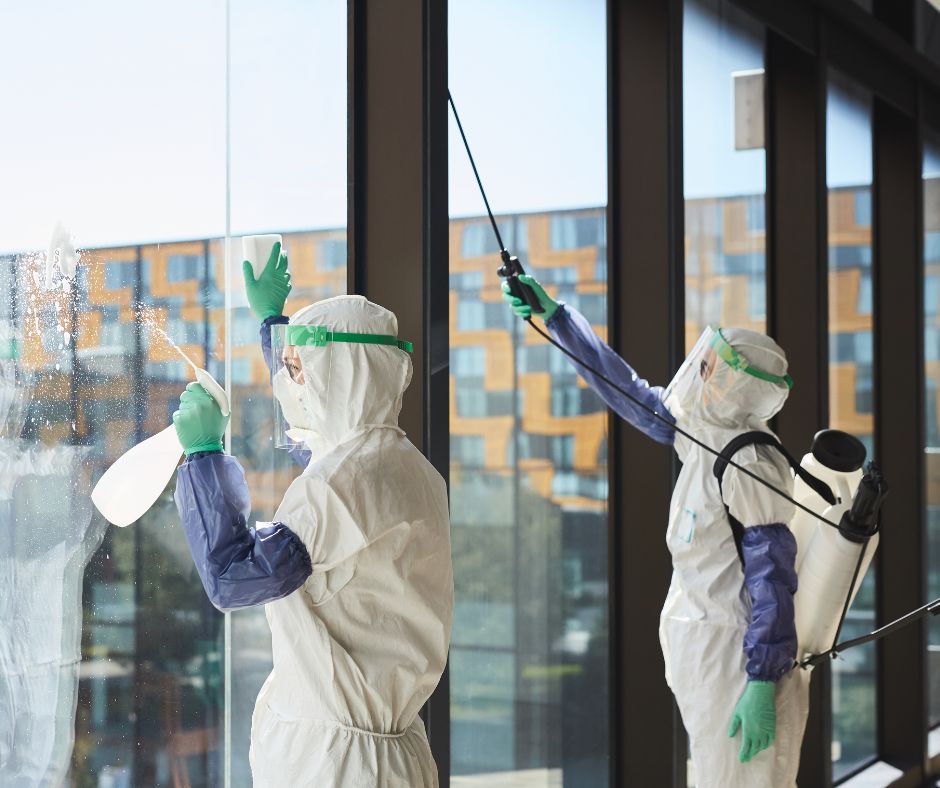
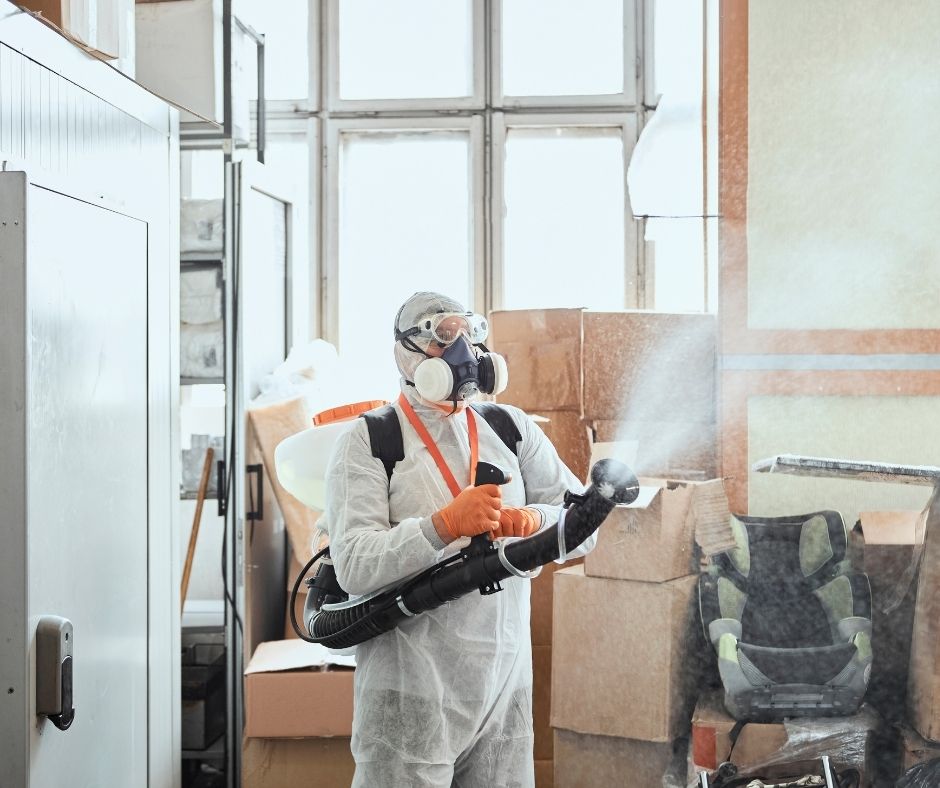
This is where a commercial disinfection service in NY becomes an important part of facility maintenance. Rather than treating every room the same, professional disinfection focuses on the areas that experience the highest levels of daily interaction, helping businesses maintain cleaner and more hygienic commercial spaces.
Every Building Has Invisible Traffic Patterns
Most people notice obvious traffic patterns. Employees gather near the coffee station before work, customers line up at checkout counters, and visitors wait in reception areas before appointments. However, many movement patterns happen so naturally that they often go unnoticed.
Think about a typical workday. Employees arrive through the same entrance, press the same elevator buttons, swipe the same access cards, and touch the same door handles before reaching their desks. Throughout the day, they move between conference rooms, restrooms, kitchens, printers, and shared workspaces. Customers and visitors often follow similar paths, creating repeated contact with the same surfaces.
Although these interactions only take a few seconds each, they happen dozens or even hundreds of times throughout the day. Consequently, the busiest pathways inside a building often experience far more exposure than areas that remain relatively unused.
This constant movement explains why professional commercial disinfection service in NY focuses not only on visible cleanliness but also on understanding how people naturally interact with a space.
The Busiest Area Is Not Always the Dirtiest
One common misconception is that the areas with the highest foot traffic automatically require the most attention. While those locations certainly deserve regular care, the surfaces that experience the most direct hand contact often present a greater hygiene concern.
For example, a large lobby floor may welcome hundreds of visitors every day. However, people rarely touch the floor itself. By contrast, a single door handle leading into the lobby may be touched by nearly every person entering the building.
Similarly, an open office may appear busy all day, yet the shared printer receives constant contact from multiple employees using the same buttons and touchscreen.
Other examples include:
- Break room refrigerators: Dozens of employees reach for the exact same handle throughout the entire work shift.
- Coffee machines: Highly popular equipment with frequently pressed buttons, levers, and dispensers that receive repeated hand contact daily.
- Shared microwaves: Appliances that employees touch constantly before lunch, during afternoon breaks, and throughout busy workdays.
- Conference room equipment: Shared remotes, presentation controllers, and keyboards that pass between multiple users during continuous team meetings.
- Reception counters: High-contact surfaces where arriving guests sign in electronically, fill out paperwork, exchange documents, and talk with staff.
These smaller contact points often experience more concentrated interaction than larger, more obvious areas.
How Daily Movement Changes Throughout the Day
Traffic patterns are not static. Instead, they evolve from morning until evening. Understanding these changes helps explain why routine disinfection schedules often work best when they align with building activity.
Morning Arrival
The beginning of the workday concentrates activity around entrances, parking garages, elevators, stairwells, security checkpoints, and reception areas. Employees also gather around coffee stations, kitchens, and break rooms before settling into their workspaces. As a result, these locations receive a significant amount of contact within a relatively short period.
Midday Activity
As the day progresses, movement shifts. Employees travel between meetings, lunch areas, collaborative workspaces, restrooms, and shared office equipment. Retail businesses experience increased customer interaction, while healthcare facilities welcome patients throughout the day. Each movement introduces additional contact with commonly used surfaces.
Afternoon Operations
Later in the day, conference rooms, shared workstations, printers, copy centers, and employee lounges continue to experience steady use. Cleaning performed only once early in the morning may no longer reflect the building’s condition after hours of continuous activity.
End of the Business Day
Before leaving, employees once again interact with exits, elevators, security systems, parking areas, and entry doors. Although the building eventually becomes quiet, countless surface interactions have already occurred. Professional disinfection considers these daily cycles instead of relying solely on appearance.
Shared Spaces Multiply Surface Contact
Private offices generally experience limited interaction because one or two people occupy the same workspace throughout the day. Shared environments operate very differently. Every additional user increases the number of surface contacts, making consistent disinfection increasingly important.
Common examples include:
- Break Rooms: Break rooms serve nearly every employee during the day. Coffee makers, refrigerator handles, vending machines, microwaves, cabinet doors, water dispensers, tables, and chairs receive continuous use from multiple individuals. Although employees often clean visible spills, these shared touchpoints benefit from routine professional disinfection.
- Conference Rooms: Meeting rooms welcome different groups throughout the day. Each meeting introduces new participants who adjust chairs, connect laptops, operate presentation equipment, and use shared tables. Without regular attention, these surfaces quickly become some of the most frequently touched areas inside an office.
- Reception Areas: Reception spaces create the first impression for visitors. Guests often sign in electronically, exchange paperwork, sit in waiting areas, and interact with reception staff before entering the building. Professional commercial disinfection service in NY helps maintain cleaner reception environments that support both workplace hygiene and a positive visitor experience.
Different Industries Create Different Traffic Patterns
Not every commercial building experiences movement in the same way. In fact, each industry develops unique traffic patterns based on how employees, customers, patients, or visitors use the space throughout the day.
Understanding these differences allows businesses to create more effective disinfection strategies instead of applying the same routine to every environment.
Office Buildings
Office employees often move between workstations, conference rooms, kitchens, restrooms, and collaborative spaces. Shared office equipment, access points, and common areas receive repeated contact from multiple people throughout the workday.
Retail Stores
Retail environments combine employee activity with continuous customer movement. Shopping carts, payment terminals, fitting rooms, display counters, checkout stations, and entrance doors experience frequent interaction that changes as customer traffic increases or decreases during business hours.
Healthcare Facilities
Healthcare settings involve patients, caregivers, medical professionals, and administrative staff moving through waiting rooms, examination areas, treatment rooms, and reception spaces. These facilities often require carefully planned disinfection schedules because of the variety of people using the environment each day.
Educational Facilities
Schools, childcare centers, and training facilities experience constant movement between classrooms, cafeterias, restrooms, libraries, and recreational spaces. Students and staff interact with desks, chairs, educational materials, and shared equipment throughout the day.
Although each industry operates differently, one principle remains the same. Areas with the greatest interaction often require the greatest attention.
Why Visual Inspections Can Be Misleading
Many businesses evaluate cleanliness by conducting a simple visual inspection. If floors appear polished and desks are organized, the environment seems ready for another day of work.
However, visual inspections cannot identify microorganisms on shared surfaces. A spotless conference table may have hosted several meetings already. A clean-looking elevator button may have been touched hundreds of times. A polished reception counter may have welcomed dozens of visitors within only a few hours.
Consequently, appearance should never become the only measure of workplace hygiene. Professional disinfection adds another level of care by focusing on how the building functions rather than simply how it looks.
Why Professional Disinfection Follows Human Behavior
Professional cleaning companies do not simply disinfect every surface with the same level of attention. Instead, they evaluate how people use the building and identify where repeated interaction occurs throughout the day.
This behavioral approach helps create a more effective disinfection plan because it focuses on actual workplace activity rather than assumptions. Consequently, businesses receive a service that reflects how their facility operates instead of following a generic cleaning checklist.
For example, a conference room that hosts several meetings each day may require more frequent attention than a storage room that employees rarely enter. Likewise, a retail checkout counter experiences much different activity than a stockroom located behind the sales floor.
Professional commercial disinfection service in NY takes these daily patterns into account, allowing businesses to direct resources where they provide the greatest value.
Seasonal Changes Also Influence Workplace Hygiene
Traffic patterns change throughout the year just as they change throughout the day. Certain seasons naturally bring higher building occupancy, increased customer visits, or greater concerns about illness. Consequently, many businesses adjust their cleaning and disinfection schedules to reflect these changes rather than maintaining the same routine year-round.
For example:
- During Cold and Flu Season: Employees and visitors spend more time indoors, where shared spaces receive heavier use. Break rooms, meeting rooms, reception areas, and restrooms often benefit from additional attention during these months.
- Holiday Shopping Periods: Retail stores welcome significantly more customers during busy shopping seasons. Shopping carts, payment terminals, display counters, fitting rooms, and entrance doors experience increased interaction that may require more frequent disinfection.
- Back-to-School Periods: Educational facilities and childcare centers experience renewed activity as students, teachers, and parents return to classrooms and shared learning environments.
- Business Conferences and Corporate Events: Organizations hosting seminars, training sessions, or large meetings often see temporary increases in building occupancy. Planning disinfection around these events helps support a cleaner experience for employees and guests.
By recognizing how occupancy changes throughout the year, businesses can adapt their maintenance plans instead of relying on a fixed schedule that may not match actual building usage.
Commercial Disinfection Supports Employee and Customer Confidence
A clean workplace influences more than appearance. It also affects how people feel when they enter the building.
Employees appreciate working in environments that receive consistent care, while customers often associate cleanliness with professionalism and attention to detail. Although most visitors never see the disinfection process itself, they notice the overall condition of the property.
For instance, clean reception areas, organized meeting rooms, well-maintained restrooms, and sanitized shared spaces help reinforce confidence in the business. These details communicate that the organization values both its employees and its customers.
Professional commercial disinfection service in NY supports these efforts by helping businesses maintain environments that feel welcoming throughout the workday.
Why Consistency Produces Better Long-Term Results
One of the biggest mistakes businesses make is treating disinfection as a one-time response instead of an ongoing maintenance strategy.
A building experiences constant movement every day. Employees arrive, customers visit, deliveries are made, meetings take place, and shared equipment continues to circulate among different users. Therefore, new contaminants are introduced continuously.
Regular disinfection helps address this ongoing activity before it becomes a larger concern. Instead of waiting until high-touch areas receive excessive use, businesses maintain cleaner environments through consistent attention.
Furthermore, routine scheduling often makes facility management more predictable. Managers know when services will occur, employees understand the maintenance routine, and business operations continue with minimal disruption.
Over time, this proactive approach supports cleaner commercial environments while reducing the need for reactive cleaning after problems arise.
How Clutter Free Service Can Help
At Clutter Free Service, we recognize that every commercial property functions differently. An office building follows different traffic patterns than a retail store, healthcare facility, school, warehouse, or apartment complex. Therefore, every property deserves a disinfection plan that reflects how people actually use the space.
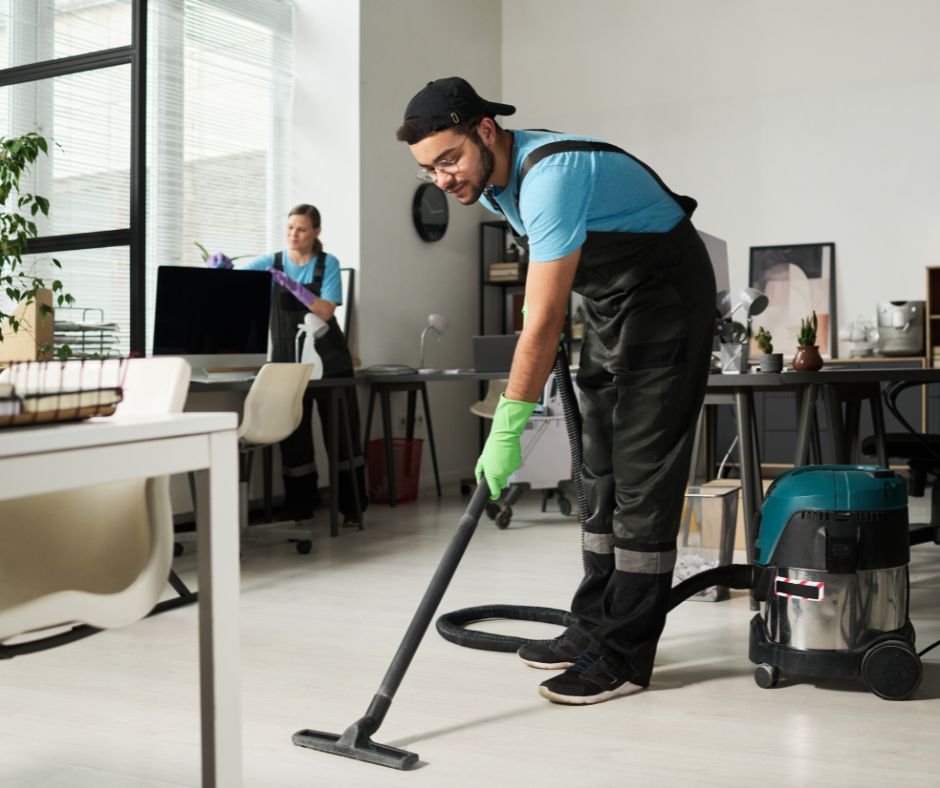
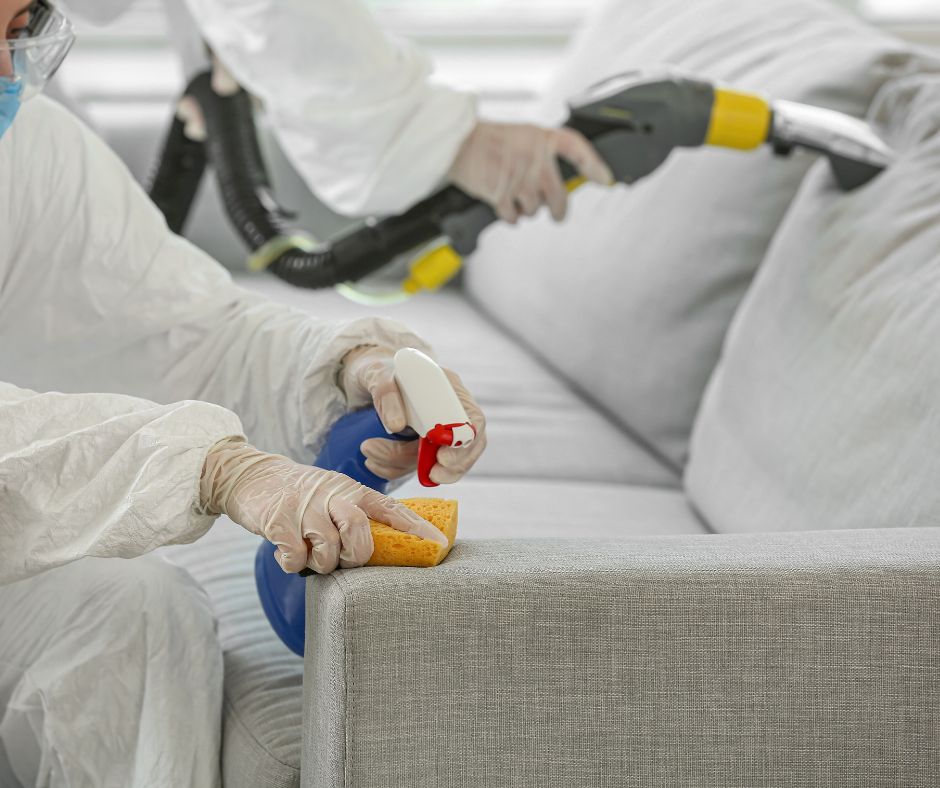
Our commercial disinfection service in NY focuses on the areas that experience the greatest interaction throughout the day. Rather than relying only on visual inspections, our experienced team evaluates high-touch surfaces, shared workspaces, customer-facing areas, employee common spaces, and other frequently used locations to provide thorough and consistent disinfection.
Whether you manage a corporate office, medical practice, educational facility, retail business, restaurant, fitness center, or residential property, we tailor our services to support your operational needs and schedule. Our goal is to help you maintain a cleaner environment that promotes confidence among employees, customers, tenants, and visitors alike.
In addition to commercial disinfection, Clutter Free Service provides professional cleaning, sanitization, biohazard cleanup, odor removal, junk removal, decluttering, and specialty cleaning solutions throughout New York. By offering comprehensive property services, we help businesses create cleaner, safer, and more organized environments that leave positive impressions every day.
Looking at Buildings Through a Different Lens
Most people think about cleaning after they notice visible dirt or clutter. However, commercial properties tell a much deeper story through the way people move inside them every day.
Entrances, reception areas, elevators, break rooms, conference rooms, checkout counters, and shared equipment quietly record hundreds of interactions long before they begin to look dirty. Understanding these hidden traffic patterns allows businesses to make smarter decisions about workplace hygiene instead of relying solely on appearance.
Professional commercial disinfection service in NY supports this proactive mindset by focusing on how buildings function rather than simply how they look. By identifying areas with frequent contact, businesses can maintain cleaner environments that reflect real-world usage instead of occasional visual inspections.
As workplaces continue to evolve with changing schedules, flexible work environments, and increased customer expectations, thoughtful disinfection strategies become an important part of everyday facility management. Businesses that understand the connection between human movement and environmental hygiene are better prepared to maintain welcoming spaces throughout the year.
Ultimately, a clean commercial property is more than polished floors and organized furniture. It is an environment where employees, customers, and visitors feel comfortable because the building receives consistent, professional care based on how it is truly used. That perspective transforms disinfection from a reactive task into a practical investment in the long-term cleanliness and functionality of your workplace.