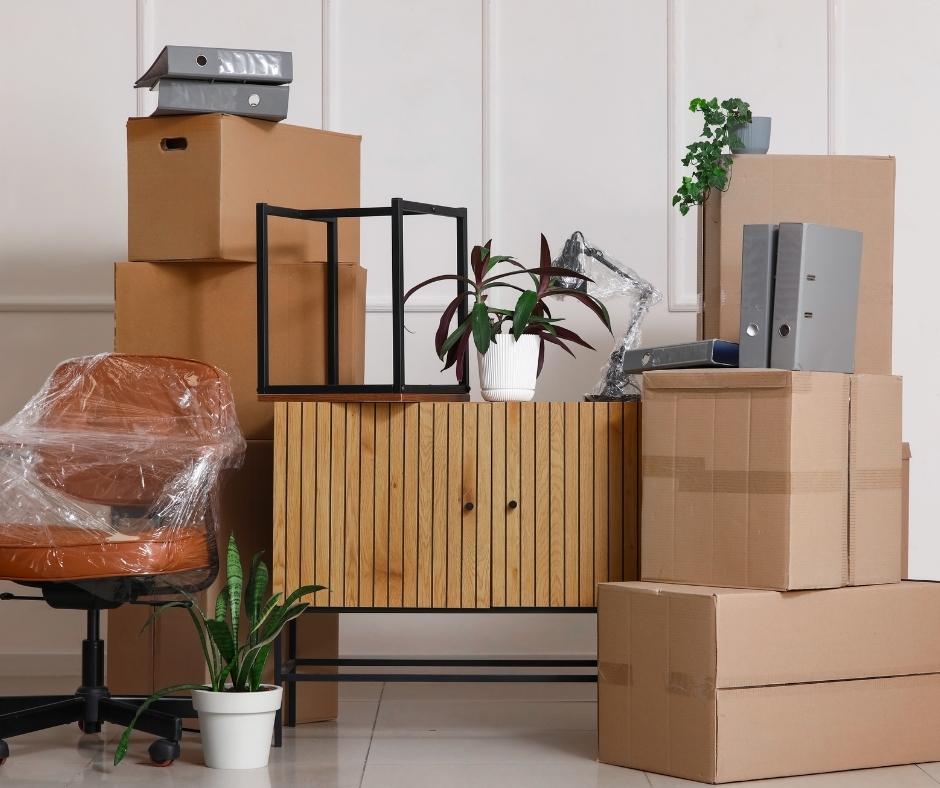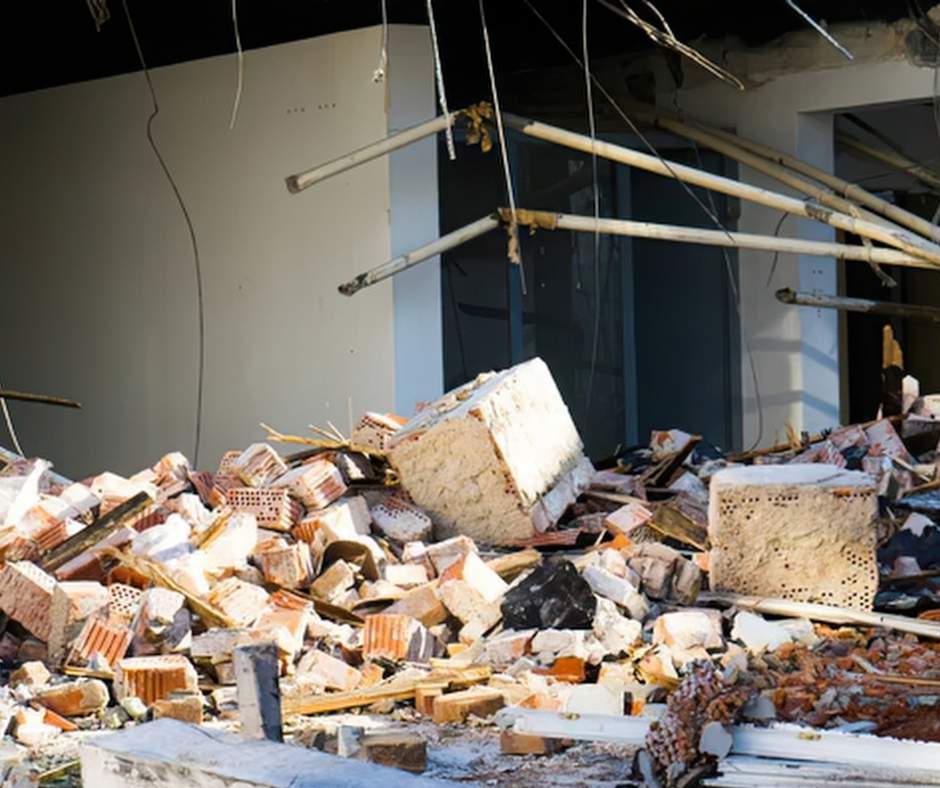
Businesses rarely generate the same type of junk throughout their entire lifecycle. An office preparing for relocation handles unwanted furniture, equipment, files, and miscellaneous belongings. Meanwhile, a company renovating its space may generate construction debris, fixtures, carpeting, and materials removed during demolition. A business that downsizes faces a different challenge because usable assets may remain mixed with items that no longer serve a purpose. Eventually, closures and tenant turnovers create another wave of unwanted materials that require organized removal. Therefore, commercial junk removal in NY need to adapt to the reason a business is clearing its space.
The timing matters just as much as the physical labor involved. A poorly planned removal can interfere with employees, customers, contractors, deliveries, or the final stages of a move. However, when removal is planned around the business lifecycle, clearing unwanted materials becomes much more manageable and significantly less stressful.
Junk Removal Changes as the Business Changes
Commercial junk is rarely produced all at once. Instead, it tends to appear when a business changes its physical space, operations, workforce, or ownership. That makes junk removal part of the broader business lifecycle rather than simply an occasional cleanup task. For example, an expanding company may need to clear one office before moving into another. A shrinking company may need to remove excess desks and equipment while remaining operational. Similarly, a property manager may need to clear an entire space between tenants. Each situation creates different materials, deadlines, and logistical challenges. Consequently, commercial junk removal in NY can be most useful when the removal strategy matches the specific transition taking place.
Recognizing these operational shifts allows company leaders to prepare well in advance. Rather than letting discarded items gather dust in valuable square footage, managers can coordinate professional clearing services as soon as an operational pivot begins. This proactive mindset keeps commercial spaces safe, professional, and fully functional throughout every internal shift.
Office Relocation Creates a Different Kind of Cleanup
Moving an office can look straightforward from the outside. You pack the useful belongings, transport them, and leave the old location behind. In reality, relocation often reveals how much material a business accumulates over time. Old desks remain in storage rooms. Unused chairs occupy conference rooms. Outdated electronics sit in supply closets. Broken equipment gets pushed into back corners. Boxes of miscellaneous supplies remain untouched for years. Therefore, an office relocation becomes a prime opportunity to separate what moves from what stays behind.
The Removal List Can Grow Quickly
Office furniture tends to represent one of the largest categories of unwanted material during relocation. Desks, chairs, filing cabinets, shelving units, tables, partitions, and reception furniture can become completely unnecessary when the new location has a different layout.
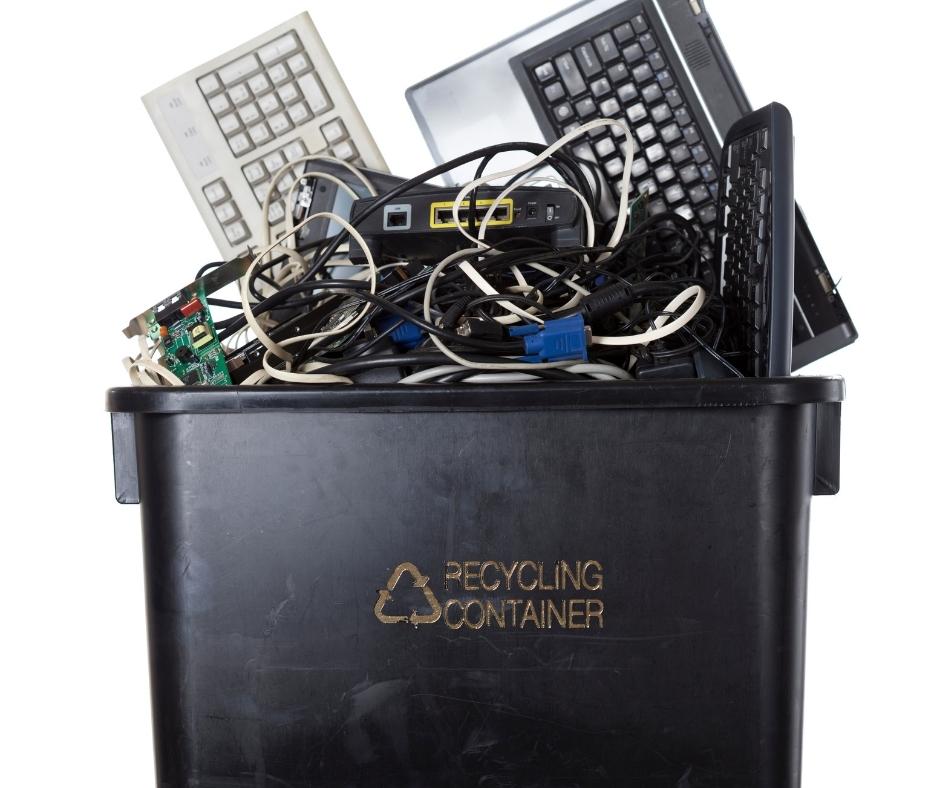
Technology creates another massive category of office waste:
- Outdated Electronics: Businesses often accumulate old monitors, desktop computers, server racks, and networking equipment that no longer fit modern operations.
- Breakroom Items: Kitchens and break rooms can contain old appliances, cabinets, dining tables, and miscellaneous goods that also require attention.
- Paper Archives and Supplies: Stacks of outdated files, empty binders, broken supply organizers, and forgotten marketing collateral frequently flood the clearance pile.
Consequently, commercial junk removal in NY can help businesses clear unwanted materials while professional movers focus on transporting what the company actually keeps.
Renovations Generate More Than Ordinary Office Junk
Renovation projects create an entirely different cleanup challenge for facility managers. Instead of simply removing furniture, businesses may need to deal with heavy materials removed during demolition and structural updating. Old carpeting, ceiling tiles, cabinetry, drywall, flooring, fixtures, and other renovation debris can accumulate quickly. Additionally, renovation contractors may produce packaging, scrap wood, metal framing, and other project-related waste. Therefore, removal planning needs to coordinate directly with the overarching renovation schedule. A pile of debris sitting in an active workspace can create unnecessary safety hazards for contractors and employees alike.
Timing Becomes Especially Important During Renovation
Businesses often continue operating while physical renovations take place right around them. That means removal cannot always happen whenever it seems convenient. A contractor may need a clear pathway before beginning the next construction phase. Employees may need access to certain hallways during regular business hours. Customers may still enter the property daily.
Therefore, scheduling commercial junk removal in NY around construction activity can help keep the project moving without creating unnecessary interruptions. Removal may occur immediately after initial demolition, between construction phases, or after final installation work finishes. The right timing depends entirely on the project sequence and daily operational demands.
Downsizing Creates a Different Decision
Downsizing is not simply a smaller version of relocation. The business may remain in the same building while reducing its physical footprint or shifting toward remote work models. That means employees may need to work around the removal process while the company continues operating as usual.
The core challenge is deciding what the business genuinely needs versus what is simply taking up space:
- Excess Workstations: A smaller office or hybrid workforce no longer requires dozens of dedicated desks.
- Redundant Conference Furniture: Additional meeting tables and extra seating may become completely unnecessary.
- Over-Sized Storage Units: Filing cabinets and large supply units may exceed the company current administrative needs.
Consequently, downsizing creates a practical opportunity to remove items that no longer justify their footprint.
The Goal Is Not to Remove Everything
A successful downsizing project requires careful separation and clear communication. Some items may move into the smaller workspace, while others may be donated, sold, recycled, stored, or otherwise handled separately. Unwanted items can then be grouped for systematic removal. This deliberate approach helps prevent useful company assets from being discarded accidentally. Therefore, commercial junk removal in NY become one part of a larger, well-considered downsizing strategy. The business first decides what stays, and then the professional removal process handles what no longer belongs in the space.
Business Closure Requires a Different Level of Planning
Closing a business can create one of the largest cleanup projects in its entire operational lifecycle. Unlike downsizing, closure means the business may no longer need most of the physical materials located inside the building. That can include all furniture, equipment, light fixtures, shelving, office supplies, storage contents, and miscellaneous belongings. Retail businesses may also have product displays, clothes racks, glass counters, signage, and other store-specific fixtures. Restaurants can have an entirely different inventory of physical assets like commercial ovens, stainless steel prep tables, and dining booths. Therefore, closure cleanup depends heavily on the specific industry and what remains inside the property.
Deadlines Often Matter More During Closure
Business closures frequently involve strict lease deadlines, property handoffs, asset liquidations, or other legal obligations. That makes scheduling especially important. A business owner may have only a limited window to empty the premises completely to avoid costly lease penalties. Consequently, commercial junk removal in NY need to fit firmly within the closure timeline rather than becoming an afterthought. Waiting until the final day can create unnecessary panic and logistical errors. Instead, businesses can identify unwanted materials early and schedule removal comfortably around their final operating dates.
Tenant Turnover Is About Speed and Readiness
Property owners, building managers, and real estate groups face another type of commercial cleanup when tenants vacate a space. A departing tenant may leave behind unwanted furniture, broken fixtures, custom shelving, outdated equipment, or general rubbish. However, the next incoming tenant may require the space to be completely cleared and immaculate before moving in. Therefore, tenant turnover creates a narrow, time-sensitive window between one occupancy and the next. The property needs to transition quickly to minimize vacancy periods and maximize rental income.
What One Tenant Leaves Behind May Not Suit the Next
A previous tenant office layout rarely fits the operational needs of the incoming company. Retail shelving may not work for another retailer, old partitions may conflict with a new open-concept floor plan, and specialized equipment may be completely useless to the next tenant. Consequently, the property owner or manager must quickly clear unwanted materials before the next tenant takes possession. This is where commercial junk removal in NY can support a faster, smoother transition between occupants, allowing the building management team to focus on leases and property improvements.
Scheduling Removal Around Business Operations
Timing is one of the biggest differences between residential and commercial cleanup efforts. A business cannot always pause operations simply because unwanted materials need to leave the building. Employees still need access to workstations, customers may continue entering the premises, deliveries need clear loading docks, and contractors may need access to specific construction zones. Therefore, removal strategies must adapt seamlessly to the business operating schedule.
After-Hours Removal Can Reduce Workplace Disruption
For certain businesses, arranging removal outside normal operating hours is the smartest path forward:
- Corporate Offices: An office can schedule heavy furniture removal after employees leave for the evening or over the weekend.
- Retail Outlets: A retail store can coordinate inventory and display cleanup after store doors close to the public.
- Renovation Sites: A renovation project can arrange debris pickup between trades or during off-peak construction hours.
However, the appropriate schedule depends on building access rules, elevator availability, loading dock permits, and the overall size of the removal project. Therefore, businesses should discuss timing requirements well before the removal date rather than assuming the process will fit automatically.
Different Debris Requires Different Planning
One reason commercial cleanup projects can become complicated is that the term junk covers many different categories of waste. A business may have commercial furniture, kitchen appliances, retail fixtures, computer equipment, construction materials, electronics, and general office debris all in the same location. However, those materials do not all follow the same disposal pathways.
Some items require specialized recycling, while others have strict municipal handling requirements. Construction debris often needs to remain separate from ordinary office materials to meet environmental regulations. Therefore, businesses should identify and categorize what they have before scheduling their final removal date.
Build the Removal List Before the Truck Arrives
A useful removal plan starts with a comprehensive inventory. Walk through the entire property and identify everything that needs to leave the building, then separate materials into practical categories:
- Commercial Furniture: Desks, ergonomic chairs, tables, storage cabinets, metal shelving, and modular cubicle partitions can represent substantial volume during relocations and downsizing projects.
- Business Equipment: Printers, copiers, breakroom appliances, light fixtures, machinery, and specialized tools may need removal when operations change or a business closes permanently.
- Renovation Debris: Flooring materials, damaged cabinetry, pieces of drywall, lighting fixtures, and other construction-related debris can accumulate rapidly during remodeling projects.
- General Clutter: Storage rooms often contain old paper archives, promotional materials, broken items, outdated marketing displays, and other objects that businesses no longer need.
Creating this structured inventory helps establish the exact scope of the project. It also helps businesses avoid discovering unexpected quantities of junk halfway through a tight deadline.
Why Removal Should Happen in Phases
Not every commercial cleanup needs to happen in a single, chaotic visit. Large relocation or renovation projects often benefit significantly from phased removal. For example, a business can clear out remote storage areas and old filing rooms during the first phase. Furniture can then leave after employees officially transition to their new workspace. Finally, remaining trash and leftover items can be removed once the old location is completely empty and ready for handoff.
This phased approach makes large-scale logistics much easier to manage. Consequently, commercial junk removal in NY can become an integrated part of the project overall schedule rather than one massive, stressful final task.
Phased Removal Protects Employee Productivity
Employees work far more efficiently when their physical workspace remains organized and clutter-free. Large piles of unwanted furniture can block emergency exits and walkways, construction debris can limit access to essential restrooms, and overflowing boxes can consume valuable meeting space. Therefore, removing unwanted materials in planned increments throughout a project helps maintain usable, safe working areas. The objective is not necessarily to remove everything on day one, but rather to remove materials precisely at the point when they stop serving a useful purpose.
What Businesses Should Consider Before Scheduling
A successful commercial removal begins long before the removal crew actually arrives at the building. Business managers should evaluate several practical questions to ensure a smooth operation:
- What specific items are being removed? Create a clear inventory separating office furniture, electronics, renovation debris, and general trash.
- When does the space need to be completely clear? Consider lease expiration deadlines, renovation milestones, employee work schedules, customer foot traffic, and final move-in dates.
- Where can materials be staged safely? Determine whether the building management allows temporary staging in hallways or loading bays, and identify appropriate freight elevator access.
- Which items require special disposal? Separate electronics, heavy appliances, and hazardous renovation waste that may require specialized recycling or regulatory handling.
- Who needs access to the property during removal? Coordinate with employees, site contractors, building managers, commercial movers, and customers who will be using the space simultaneously.
Answering these questions thoroughly makes the final removal plan much more realistic, organized, and cost-effective.
Think About Junk Removal as Part of the Business Lifecycle
Junk does not accumulate randomly in commercial properties. It appears naturally whenever an operational change occurs. A company moves to a modern facility, an office downsizes to fit a remote team, a workspace undergoes a stylish renovation, a business closes its doors, or a commercial tenant leaves at the end of a lease. Each transition creates a unique cleanup requirement that demands a customized solution. Therefore, the smartest approach for any business leader is to anticipate removal needs well before unwanted materials become a physical obstacle.
The Right Timing Makes All the Difference
An office relocation works better when unwanted furniture leaves before moving day becomes overcrowded. A renovation progresses more smoothly when construction debris does not block the next work area. A downsizing project becomes far easier when unnecessary furniture disappears as the new floor layout takes shape. A business closure becomes less stressful when the property is cleared well before the final lease handoff. Finally, a tenant turnover moves much faster when leftover materials do not delay the incoming occupant. Consequently, commercial junk removal in NY are not simply about getting rid of trash; they support the physical transitions that businesses experience throughout their operational lifecycle.
How Clutter Free Service Can Help
Clutter Free Service provides professional junk removal services tailored specifically for businesses and commercial property owners dealing with unwanted materials. For companies navigating relocation, renovation, downsizing, closure, or tenant turnover, their experienced team helps turn a cluttered space back into a functional, clean environment. The company services support commercial projects where heavy furniture, electronic equipment, construction debris, and miscellaneous clutter need to leave the property safely and quickly.
That support becomes particularly useful when removal must happen around an existing, busy commercial schedule. Rather than treating cleanup as an isolated, overwhelming task, businesses can incorporate Clutter Free Service into their broader transition strategy. For a corporate relocation, that means clearing unwanted desks and filing cabinets before movers arrive. For renovations, it means coordinating debris removal around active construction phases. For closures, it means working steadily toward a final landlord handoff deadline. For property managers handling tenant turnover, it means rapidly preparing the space for its next occupant.
Therefore, commercial junk removal in NY provide practical, reliable support when a business needs to adapt its physical environment without letting unwanted materials slow down progress. Business owners can confirm specific materials accepted, scheduling availability, site access conditions, and tailored disposal arrangements directly with Clutter Free Service before booking.
Clear the Space When the Business Needs It
Commercial junk removal works best when it follows the actual operational timeline of the company. The main goal is not simply to remove the largest possible volume of material as fast as possible. Instead, it is about identifying what needs to leave, understanding exactly when it needs to leave, and carefully coordinating the entire process around everything else happening inside the building.
That balanced approach makes office relocations significantly more organized, keeps active renovation areas safe and usable, supports corporate downsizing without unnecessary workplace disruption, helps closing businesses meet tough landlord deadlines, and prepares commercial properties for new tenants without delay. Ultimately, commercial junk removal in NY become most valuable when removal is treated as a core component of the business transition itself. When businesses plan their cleanup alongside their next move, remodeling project, downsizing decision, closure, or tenant handoff, unwanted materials stop being a last-minute headache and become one more manageable, successfully completed step in the process.