The final day of a retail store involves much more than turning off the lights and locking the doors. Merchandise needs to leave, displays need dismantling, and remaining fixtures often require careful decisions before possession changes. At the same time, lease deadlines can create pressure to return the space according to specific property requirements.
That means store owners and managers must distinguish between removing merchandise and completing the property’s actual cleanout. Those two responsibilities overlap, but they are not necessarily the same task. A retail store cleanout in New York focuses on clearing what remains after merchandise has already been sold, transferred, donated, or relocated.
That can include shelving, counters, display fixtures, signage, storage contents, unwanted equipment, and miscellaneous debris. Therefore, planning the cleanout around the final operating schedule can make the entire transition easier.
The Last Day Is Really the Start of the Exit Process
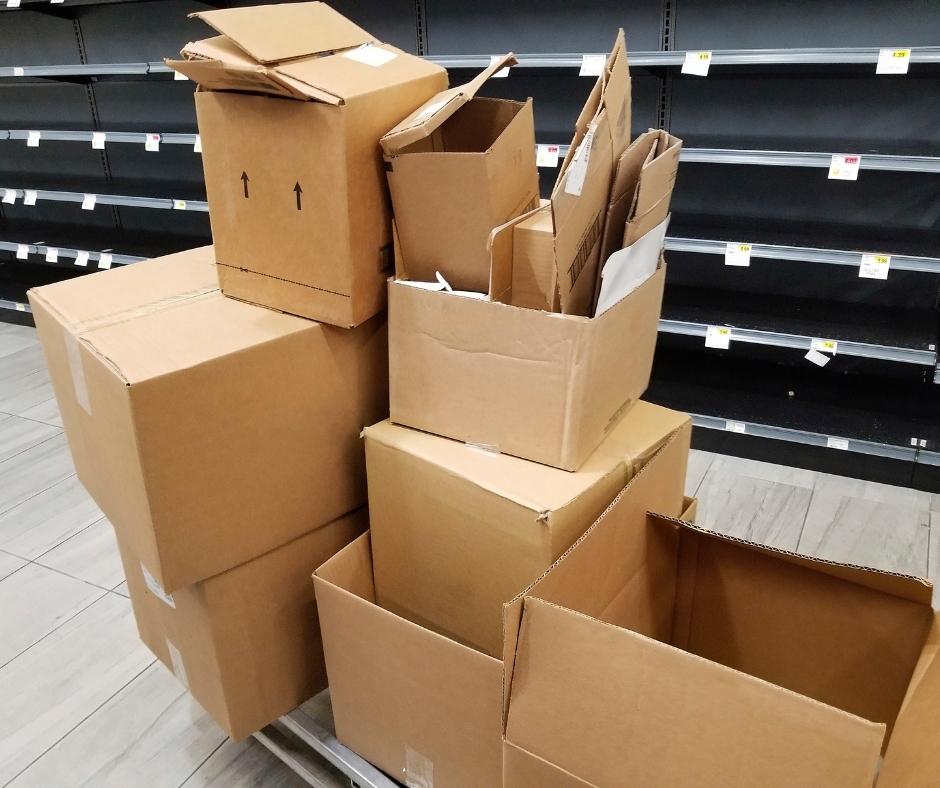
A retail store can look nearly empty after the final merchandise leaves the sales floor. However, empty shelves do not necessarily mean the property itself is ready for handover. Display fixtures may remain attached to walls or floors. Counters can still occupy valuable space near entrances or checkout areas. Back rooms may contain packaging, supplies, equipment, and miscellaneous materials. Meanwhile, signage may remain throughout the storefront, creating another removal requirement.
Consequently, the last selling day often marks the beginning of a second phase involving property preparation. This is where a retail store cleanout in New York can become part of the closing timeline. The goal shifts from removing merchandise to preparing the physical premises for whatever happens next.
Merchandise Removal Comes Before Property Cleanout
Merchandise is usually the most obvious material leaving a retail location. Inventory may move to another store, warehouse, liquidation location, customer, donation center, or temporary storage space. That process typically follows the retailer’s own inventory strategy rather than the property’s cleanout requirements.
Once merchandise leaves, however, the store may still contain substantial amounts of material. Shelving, display furniture, checkout counters, racks, signage, storage cabinets, and equipment can remain behind. Therefore, managers should treat inventory removal and property cleanout as separate project stages.
This distinction helps prevent a common problem where everyone assumes the store is empty after the final products leave. In reality, the property may still require considerable work before the keys can change hands.
Shelving Can Become a Major Part of the Cleanup
Retail shelving often covers large portions of a sales floor. Wall-mounted systems, freestanding racks, gondolas, cabinets, and specialty displays can occupy significant space even after merchandise disappears. Some shelving may belong to the retailer and therefore needs removal before leaving. Other fixtures may remain with the property depending on the lease, landlord agreement, or next tenant’s plans.
Therefore, managers should confirm ownership and removal responsibilities before dismantling anything. Removing fixtures without checking these details can create unnecessary disputes during the handover. Once ownership is clear, the remaining shelving can become part of the cleanout plan. A retail store cleanout in New York can help address unwanted fixtures after the business determines what stays.
Display Fixtures Often Require More Attention Than Expected
Retail displays can include much more than simple shelving. Stores may use mannequins, display tables, glass cases, product stands, decorative structures, mirrors, racks, and specialty fixtures. These items can become difficult to manage when they accumulate throughout the sales floor.
Additionally, some fixtures are bulky enough to require careful removal from narrow entrances or crowded back rooms. Therefore, the cleanout plan should account for dimensions, access routes, and the order in which items leave. Removing large fixtures first can sometimes create more room for smaller materials later. However, the best sequence depends on the store’s layout and the volume of remaining contents.
Signage Is Part of the Store’s Physical Footprint
Store signage can easily become overlooked during a rushed closing. Exterior signs may remain above entrances or storefront windows. Interior signs can appear throughout sales areas, offices, stockrooms, and customer service spaces. Promotional displays may also remain attached to walls, ceilings, windows, or fixtures.
Depending on the lease, some signage may need removal before the space is returned. Therefore, managers should identify every sign and determine whether it belongs to the retailer or property owner. This step helps prevent last-minute surprises when the property manager conducts the final walkthrough. A professional retail store cleanout in New York can become especially useful once the business identifies signage and other unwanted physical elements.
Checkout Counters Can Complicate the Final Cleanup
Checkout areas often contain built-in or semi-permanent components. Counters, cabinets, shelving, wiring covers, storage units, and related fixtures may remain after registers and merchandise disappear. Some businesses remove everything associated with the checkout area. Others leave certain components depending on their agreement with the landlord.
Consequently, checkout areas deserve their own review during the closing process. The question is not simply whether something looks unnecessary. The more important question is whether the item belongs to the business and whether the lease requires its removal. Once those decisions are clear, unwanted components can be included in the cleanout schedule.
Storage Rooms Often Hold the Materials Nobody Notices
The sales floor receives most of the attention during a retail closure. However, storage rooms frequently contain the largest concentration of leftover materials. Boxes, packaging, old signage, supplies, shelving, damaged products, cleaning materials, office furniture, and miscellaneous equipment can remain there. Because customers rarely see these areas, they can become easy places to postpone cleanup.
Unfortunately, those same spaces often become difficult to clear when the lease deadline approaches. Therefore, managers should inspect storage areas early rather than waiting until the final day. A thorough retail store cleanout in New York plan includes back rooms, offices, closets, storage areas, and other spaces beyond the sales floor.
Unwanted Equipment Can Add Another Layer
Retail stores often contain equipment that no longer has a purpose once operations end. This can include refrigerators, freezers, display coolers, office equipment, carts, worktables, appliances, and other operational items. Some equipment may transfer to another location. Other pieces may become obsolete, damaged, or unnecessary.
Therefore, managers should identify equipment separately from ordinary debris. This approach helps determine what moves, what remains, and what requires removal. It also prevents useful equipment from accidentally becoming mixed into a general cleanout pile.
Why Lease Deadlines Change the Entire Strategy
Retail closures often operate under strict timelines. A lease may specify when the tenant must surrender the property. It may also establish expectations concerning fixtures, alterations, debris, signage, and general condition. Therefore, cleanout cannot simply happen whenever the business has spare time.
The removal schedule needs to work backward from the handover date. That means identifying responsibilities early, separating merchandise from property contents, and allowing enough time for removal. A retail store cleanout in New York can support this process when the store needs to transition quickly from active retail space to cleared premises.

Working Backward From the Handover Date
The easiest way to understand the timeline is to begin with the deadline. First, determine the date when the property must be returned. Then, identify what merchandise needs to leave and when inventory removal occurs.
Next, determine which fixtures, signage, equipment, and other materials require removal. Afterward, schedule the cleanout with enough time for unexpected issues. Finally, conduct a walkthrough before the official handover. This sequence creates a buffer instead of forcing every task into the final hours.
That buffer matters because retail closures rarely proceed perfectly. Unexpected fixtures, leftover storage materials, or access limitations can appear during the process.
Cleanout Should Follow the Store’s Operating Reality
A retail business may still have employees working during the final days. Customers may continue shopping while inventory is being reduced. Deliveries may still arrive. Staff may need access to offices, bathrooms, storage rooms, and employee areas.
Therefore, removing large fixtures too early can interfere with normal operations. On the other hand, waiting until the final few hours can create unnecessary pressure. The better approach involves coordinating removal around the store’s actual schedule.
For example, certain fixtures can leave after inventory moves elsewhere. Storage areas can be cleared once staff no longer need them. Final removal can happen after the doors close permanently. This staged approach can make the transition much more manageable.
What Happens After the Merchandise Leaves?
Once inventory disappears, managers can finally see what remains. That is the moment when a store cleanout becomes easier to define. The remaining contents can be separated into several practical categories:
- Fixtures: Shelving, display racks, counters, cabinets, tables, and other store-specific structures may require removal depending on ownership and lease requirements.
- Signage: Exterior and interior signs may need to leave before handover, particularly when the retailer owns them or the lease requires removal.
- Equipment: Appliances, carts, coolers, office equipment, and operational items may need relocation, disposal, or separate handling.
- Storage contents: Back-room supplies, boxes, packaging, damaged materials, and miscellaneous items can require removal after inventory operations conclude.
- General debris: Broken items, discarded materials, and leftover clutter can remain after fixtures and equipment disappear.
Creating these categories helps the team understand what the final cleanout actually involves. It also prevents merchandise removal from being confused with property preparation.
A Clean Store Is Easier to Inspect
A cleared retail property provides better visibility into its actual condition. Once fixtures and clutter disappear, managers can inspect floors, walls, ceilings, doors, lighting, and other areas more easily. Potential damage can become more visible.
Likewise, maintenance issues that remained hidden behind shelving can receive proper attention. Therefore, cleanout can support the property’s transition into its next stage. That next stage might involve repairs, restoration, renovation, new tenant preparation, or property handover.
The cleanout itself does not replace inspection. Instead, it creates a clearer environment for inspection and follow-up work.
Preparing the Space for the Next Tenant
Retail spaces often move quickly from one occupant to another. The incoming tenant may have an entirely different business model, layout, branding strategy, and equipment requirements. Consequently, the previous retailer’s fixtures may no longer have any practical value.
Removing unwanted materials gives the next tenant a more flexible starting point. It also allows contractors to evaluate the space before installing new fixtures or making improvements. A retail store cleanout in New York can therefore support the transition between businesses, especially when lease deadlines create limited turnaround time.
Why Professional Removal Can Simplify the Final Days
Retail employees already have plenty to manage during a store closure. They may be responsible for inventory transfers, customer communication, payroll matters, equipment relocation, and final administrative tasks. Adding large-scale hauling to that workload can quickly become inefficient.
Professional cleanout services can handle bulky materials and larger volumes while the business focuses on closing operations. Clutter Free Service specifically offers commercial cleanout services for retail spaces throughout New York City. We work with retail businesses and can schedule cleanouts around operating needs, including off-peak periods. That scheduling flexibility can be useful when a store needs to remain functional until its final operating day.
How Clutter Free Service Can Help
Clutter Free Service offers commercial cleanout services for retail spaces, including support with decluttering and preparing commercial environments. The company states that its commercial services cover retail spaces and focuses on clearing clutter while improving organization and functionality.
For a closing retailer, that can mean addressing the materials left after merchandise has already been removed. The team can help with unwanted commercial materials, bulky items, and other contents that remain during the final property transition. Clutter Free Service also states that it serves Manhattan, Brooklyn, Queens, Staten Island, and the Bronx.
For retailers working toward a lease deadline, the company indicates that cleanout timing can be coordinated around business operations. Before scheduling, however, businesses should confirm accepted materials, fixture responsibilities, access requirements, timing, and any lease-specific conditions directly with the provider.
The Last Day Should Not Become the Last Minute
Closing a retail store involves a surprisingly detailed physical transition. Merchandise needs to move first, but the property still requires attention after the shelves become empty. Fixtures, signage, counters, storage contents, equipment, and debris can remain long after the final customer leaves.
Therefore, the cleanout deserves its own timeline rather than being treated as part of inventory removal. A retail store cleanout in New York can help businesses approach that final stage with greater organization and fewer last-minute obstacles. The most important step is starting early enough to identify what belongs to the retailer and what belongs to the property. From there, managers can coordinate merchandise removal, fixture decisions, equipment relocation, and final cleanout around the lease deadline.
Turning the Final Store Day Into a Planned Transition
The final day of retail operations does not necessarily mark the end of the property’s workload. Instead, it marks the point where the business shifts from serving customers to preparing the space for handover. That shift becomes much easier when every remaining item has a clear destination.
Merchandise moves elsewhere. Fixtures are removed when required. Signage comes down. Equipment is relocated or removed. Storage rooms become clear. Unwanted debris leaves the property. Finally, the space becomes ready for inspection and whatever comes next.
With a planned retail store cleanout in New York, the final stage becomes less about rushing through an empty store and more about completing a deliberate property transition. Working with a dedicated provider like Clutter Free Service helps ensure that every step happens safely, efficiently, and on schedule.