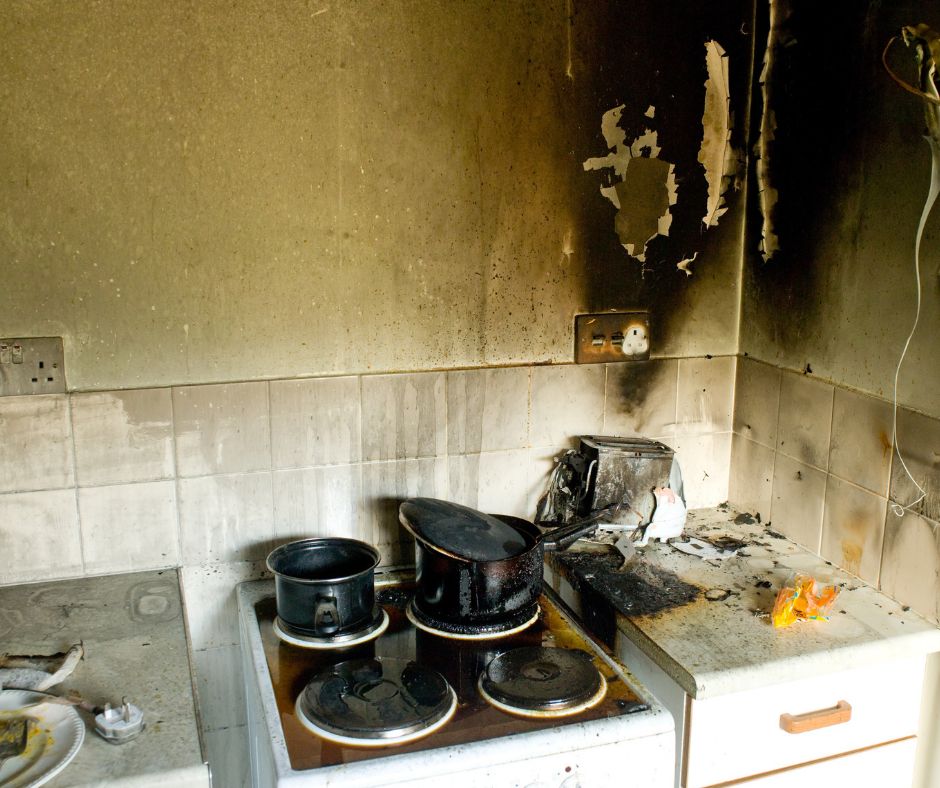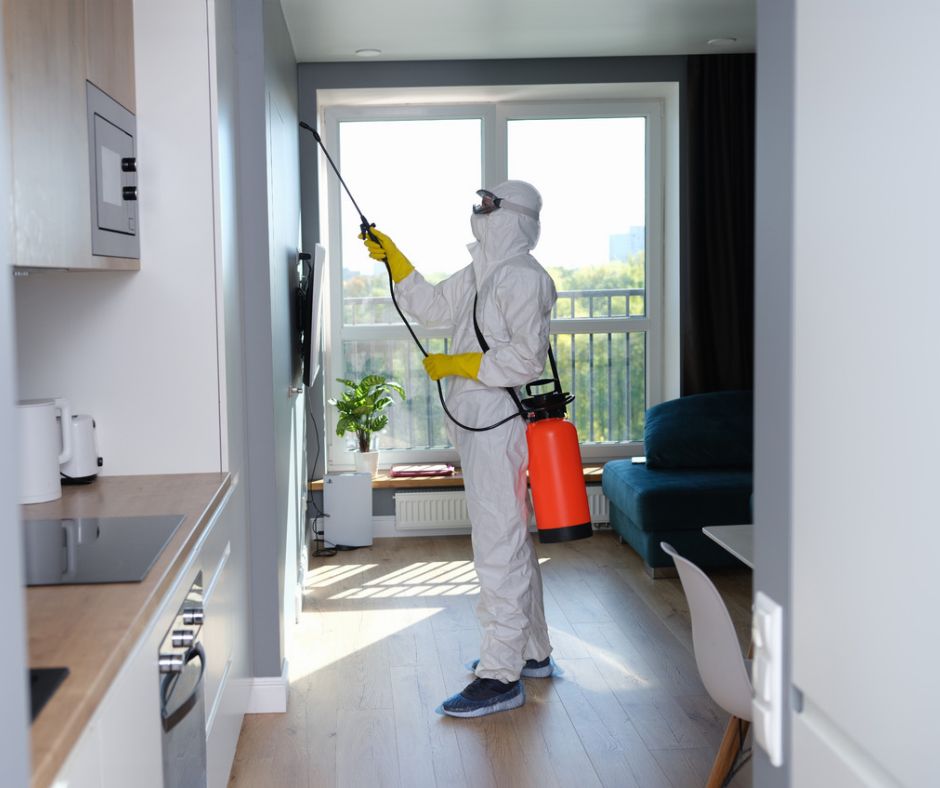
Experiencing a sudden property fire creates immediate confusion and severe emotional stress for building owners throughout the city. However, taking decisive action preserves the underlying structural elements before permanent material decay occurs across interior rooms. Executing professional Fire Damage Cleanup in New York stabilizes damaged environments shortly after emergency crews clear the scene and extinguish active blazes.
Understanding the complex recovery path empowers property owners to manage essential structural restoration with genuine confidence. In addition, knowing what steps to take helps minimize overall property loss while keeping building occupants completely safe. Consequently, this comprehensive guide outlines the vital phases of post-fire structural clearing, debris removal, chemical soot neutralization, and deep sanitization.
Navigating the Immediate Aftermath of a Property Fire
The initial hours following a fire incident remain crucial for preserving real estate assets and preventing secondary property destruction. Emergency first responders prioritize extinguishing flames quickly, which introduces immense volumes of high pressure water into the interior environment. As a result, property managers face compounding threats from extreme heat, corrosive chemical soot, toxic smoke migration, and heavy water saturation.
Entering a fire damaged building requires extreme caution because unseen structural risks linger behind charred walls and warped framing. Furthermore, dangerous microscopic particulates float through indoor air spaces long after visual smoke vanishes from the property completely. Adhering to a structured safety assessment protocol protects human health while creating clear documentation for pending insurance claims.
- Verify Official Safety Clearances First: Property owners must wait for municipal building inspectors and local fire department officials to issue formal entry clearances. Moving inside prematurely risks severe physical injury from unstable floor joists, cracked support beams, and compromised overhead ceiling framing.
- Document Interior Damage Thoroughly: Taking high resolution photographs and comprehensive video walkthroughs of every impacted room establishes undeniable evidence. This detailed record directly supports your formal insurance claim submissions while ensuring fair financial compensation for destroyed structural elements.
- Avoid Touching Soot Covered Surfaces: Refrain from wiping acidic soot deposits off plaster walls, kitchen cabinets, or wooden furniture with household sponges. Standard cleaning attempts push microscopic chemical residues deeper into porous surfaces, resulting in permanent staining and severe material degradation.
- Establish Property Site Security Fast: Boarding up shattered window panes and securing fire damaged roof sections with heavy duty weatherproof tarps is essential. Properly enclosing the building envelope prevents ongoing rain intrusion, wind damage, and unauthorized entry by trespassers or vandals.
Once essential safety evaluations and detailed damage recording are complete, attention shifts toward identifying the specific destructive layers affecting the interior environment.
Understanding the Four Primary Layers of Fire Destruction
Restoring a fire damaged structure involves addressing multiple distinct environmental hazards that occur at the exact same moment. Intense heat affects building materials through direct thermal combustion, chemical staining, gas migration, and high volume liquid absorption. Recognizing these four layers allows property managers to select appropriate remediation tools during Fire Damage Cleanup in New York.
Direct Heat and Structural Combustion
Direct flames burn structural wall studs, ceiling joists, gypsum drywall sheets, and decorative interior furnishings rapidly. Consequently, charred framing timbers lose their load bearing capacity and must undergo complete structural removal during initial debris clearing operations.
Acidic Soot Deposition
Soot residue forms when synthetic polymers, plastics, chemical foams, and building woods burn under oxygen starved conditions. Furthermore, soot deposits contain highly corrosive compounds that etch metallic fixtures, pit glass panels, and stain painted walls permanently within hours.
Smoke Gas Migration
Superheated smoke travels through electrical conduits, wall cavities, floor voids, and central HVAC duct systems easily. Therefore, interior rooms completely untouched by direct flames frequently suffer severe odor absorption, soot coating, and invisible chemical contamination.
Extinguishing Water Saturation
Fire suppression operations introduce hundreds of gallons of water into interior building spaces within very short timeframes. Consequently, trapped moisture causes hardwood floor cupping, drywall sagging, structural timber rotting, and aggressive mold growth within forty eight hours.
Addressing these four complex destruction layers demands specialized heavy machinery, protective gear, and experienced environmental cleanup technicians who understand local building codes.
The Critical Role of Heavy Debris Removal and Demolition
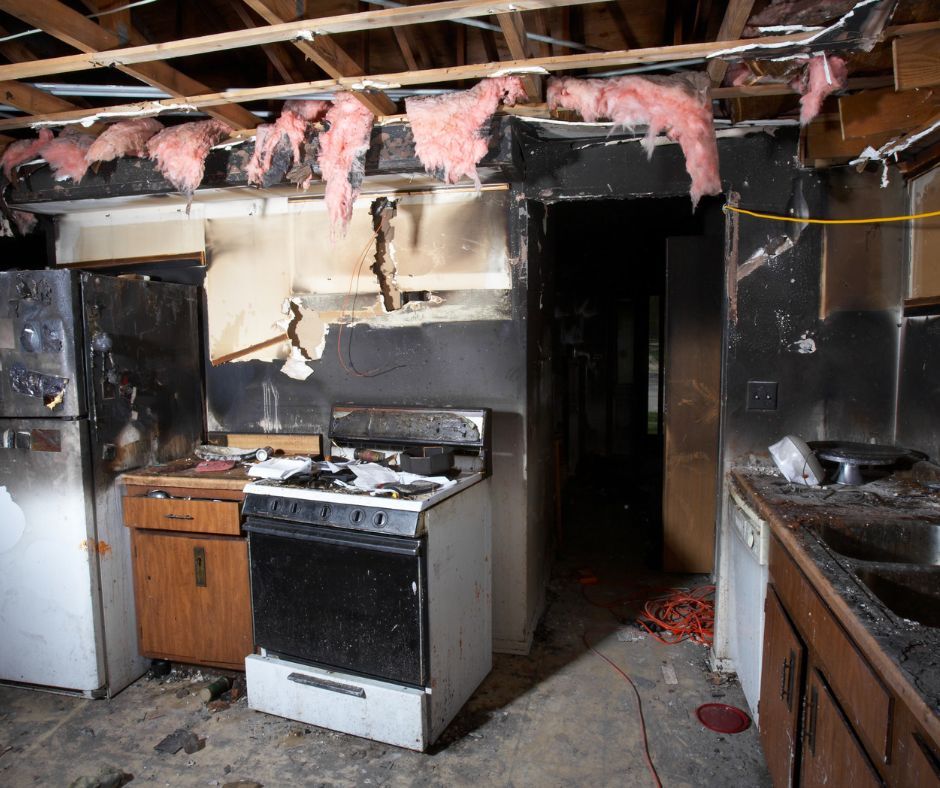
Before specialized air scrubbers or floor refinishing tools operate effectively, technicians must clear all unsalvageable debris from the property. Leaving charred furniture, soaked insulation, and crumbling plaster inside trapped spaces preserves toxic odors and fosters mold colonies. Therefore, intensive debris removal serves as the foundational gateway toward achieving a fully restored indoor environment.
Professional cleanup crews systematically strip impacted rooms down to sound, uncompromised structural studs and clean subflooring. In addition, sorting bulk debris allows hazardous building waste to be transported and discarded according to strict local municipal environmental regulations.
- Stripping Saturated Carpets and Underlayment: Removing wet carpets, swollen padding, and ruined vinyl flooring eliminates trapped water pockets and stops dangerous microbial contamination from spreading through subfloors.
- Removing Collapsed Ceiling and Wall Gypsum: Dropping waterlogged ceiling tiles and charred drywall sheets eliminates overhead falling hazards while exposing hidden framing timbers for structural inspection and drying.
- Hauling Ruined Personal Property and Fixtures: Removing unsalvageable household furniture, ruined appliances, and personal belongings opens interior floor spaces so commercial dehumidifiers and air scrubbers can operate efficiently.
- Sanitizing Exposed Structural Wood Studs: Scraping charred wood surfaces, applying antimicrobial treatments, and sealing structural timbers prepares remaining framing members for future reconstruction work and interior refinishing.
Completing heavy debris clearing transforms a hazardous disaster site into a safe workspace ready for structural drying, sanitization, and detailed floor restoration.
Essential Steps for Professional Structural Sanitization
Once heavy debris disappears from the site, deep structural sanitization begins across all exposed building framing and hard surfaces. Removing microscopic soot particles and neutralizing chemical smoke odors requires specialized industrial equipment that far exceeds standard janitorial capabilities. Skipping this crucial phase allows lingering chemical gases to escape through newly installed drywall long after reconstruction finishes.
Restoration specialists executing Fire Damage Cleanup in New York employ advanced thermal fogging, hydroxyl generation, and industrial HEPA air filtration to purge embedded odors from building framing. In addition, technicians apply specialized sealant primers over structural timbers to lock in microscopic particles permanently before installation crews rebuild interior walls.
- Deploying HEPA Air Scrubbers: Continuous air filtration units trap microscopic soot dust, floating ash, and toxic chemical particulates, significantly enhancing interior air safety throughout recovery operations.
- Applying Thermal Odor Fogging: Thermal foggers release specialized neutralizing vapors that penetrate porous framing along the exact paths smoke previously traveled, neutralizing deep embedded odor molecules.
- Executing Hydroxyl Treatment Protocols: Hydroxyl generators continuously neutralize volatile organic compounds and persistent smoke smells without requiring occupants or workers to evacuate the building premises completely.
- Encapsulating Structural Timber Framing: Spraying specialized odor-blocking primers coats exposed wall studs, permanently locking in trace microscopic residues so smells never off-gas into future living areas.
Executing thorough structural sanitization ensures that your reconstructed property remains healthy, odorless, and safe for occupants over the long term.
Restoring Damaged Hardwood Floors After Fire and Water Exposure
Hardwood flooring often suffers severe damage during fire suppression efforts due to standing water accumulation and heavy soot falling. Water causes wood planks to swell, cup, and separate from subflooring, while acidic soot darkens natural wood grains and protective topcoats. However, prompt professional intervention frequently saves valuable hardwood floors through specialized drying, sanding, and refinishing techniques.
Evaluating wood floor stability determines whether individual boards require replacement or if surface sanding restores the original beauty. Furthermore, applying protective stains and durable polyurethane coat shields restored hardwood against future wear while completely removing lingering burnt finishes during Fire Damage Cleanup in New York.
- Evaluating Board Cupping and Subfloor Moisture: Technicians utilize specialized moisture meters to assess water saturation levels, determining whether targeted drying protocols can flatten warped floorboards successfully.
- Replacing Unsalvageable Wood Planks: Severely charred or permanently buckled floorboards are carefully extracted and replaced with matching timber species to maintain seamless visual continuity across the floor space.
- Executing Precision Heavy Floor Sanding: Industrial drum sanders remove soot-stained polyurethane finishes and level raised plank edges, exposing clean, undamaged natural wood grain ready for new finishes.
- Applying Stains and Refinishing Sealers: Applying fresh wood stains followed by commercial polyurethane topcoats restores luxurious aesthetics while permanently sealing out past smoke odors from the floor sublayer.
Restoring original hardwood floors preserves architectural character, reduces replacement costs, and enhances overall property value after challenging fire incidents.
Comprehensive Post-Fire Cleaning Protocols for Property Managers
Managing multi-family residential buildings or commercial office complexes following a fire requires systematic coordination across common areas and utilities. Property managers must address shared HVAC ductwork, central stairwells, elevator shafts, and common corridors to stop cross-contamination. Establishing strict containment zones prevents soot tracking into unaffected tenant spaces, preserving building value while protecting public health.
Coordinating professional Fire Damage Cleanup in New York across commercial real estate assets ensures full compliance with local municipal codes. Furthermore, thorough cleaning of shared utility chases prevents lingering electrical odors from affecting neighboring units or commercial suites.
- Isolating Central HVAC and Ventilation Ductwork: Sealing return vents and installing commercial HEPA filters prevents air handling systems from circulating toxic soot particles into clean building corridors.
- Decontaminating Common Corridors and Stairwells: Washing down shared tile, concrete, and painted surfaces removes oily soot films, preventing building occupants from tracking toxic residue into unimpacted spaces.
- Sanitizing Shared Electrical and Utility Chases: Cleaning exposed conduit lines and service shafts eliminates trapped smoke gases that otherwise travel between building floors long after repairs finish.
- Conducting Final Air Quality and Safety Inspections: Performing air particle tests and clearance evaluations ensures the property meets all safety standards before tenants move back into their spaces.
Implementing organized cleanup protocols across common building areas restores tenant confidence and protects long-term property income.
Partner Up with Clutter Free Service for Exceptional Recovery
Navigating complex post-fire clearouts requires a dependable, hardworking partner capable of handling demanding physical labor with true professional care. When you choose to partner with Clutter Free Service, you receive compassionate, highly skilled assistance tailored directly to your specific property recovery needs.
Our experienced teams specialize in full property clearouts, heavy debris removal, and post-disaster structural cleaning across all five New York boroughs. We understand how overwhelming post-fire recovery feels for families and building managers, which is why we execute every project phase with speed, safety, and utmost discretion.
Beyond heavy junk hauling, Clutter Free Service offers comprehensive environmental cleaning, basement clearouts, and expert wood floor sanding, refinishing, and repainting. If fire or water damages your interior hardwood floors, our skilled craftsmen restore surfaces seamlessly, preparing your home for complete renewal and immediate re-occupancy.
Reclaim Your Property and Rebuild with Complete Confidence
Recovering from a property fire presents significant physical and emotional challenges, but following a structured remediation plan restores safety efficiently. By securing the building, documenting loss, removing heavy debris, sanitizing framing, and partnering with experienced specialists, you protect your valuable real estate investment effectively.
When you need dependable Fire Damage Cleanup in New York, heavy debris clearing, or expert floor refinishing, Clutter Free Service stands ready to assist. Reach out to our dedicated team today to request a comprehensive project evaluation and start restoring your building with complete peace of mind.